
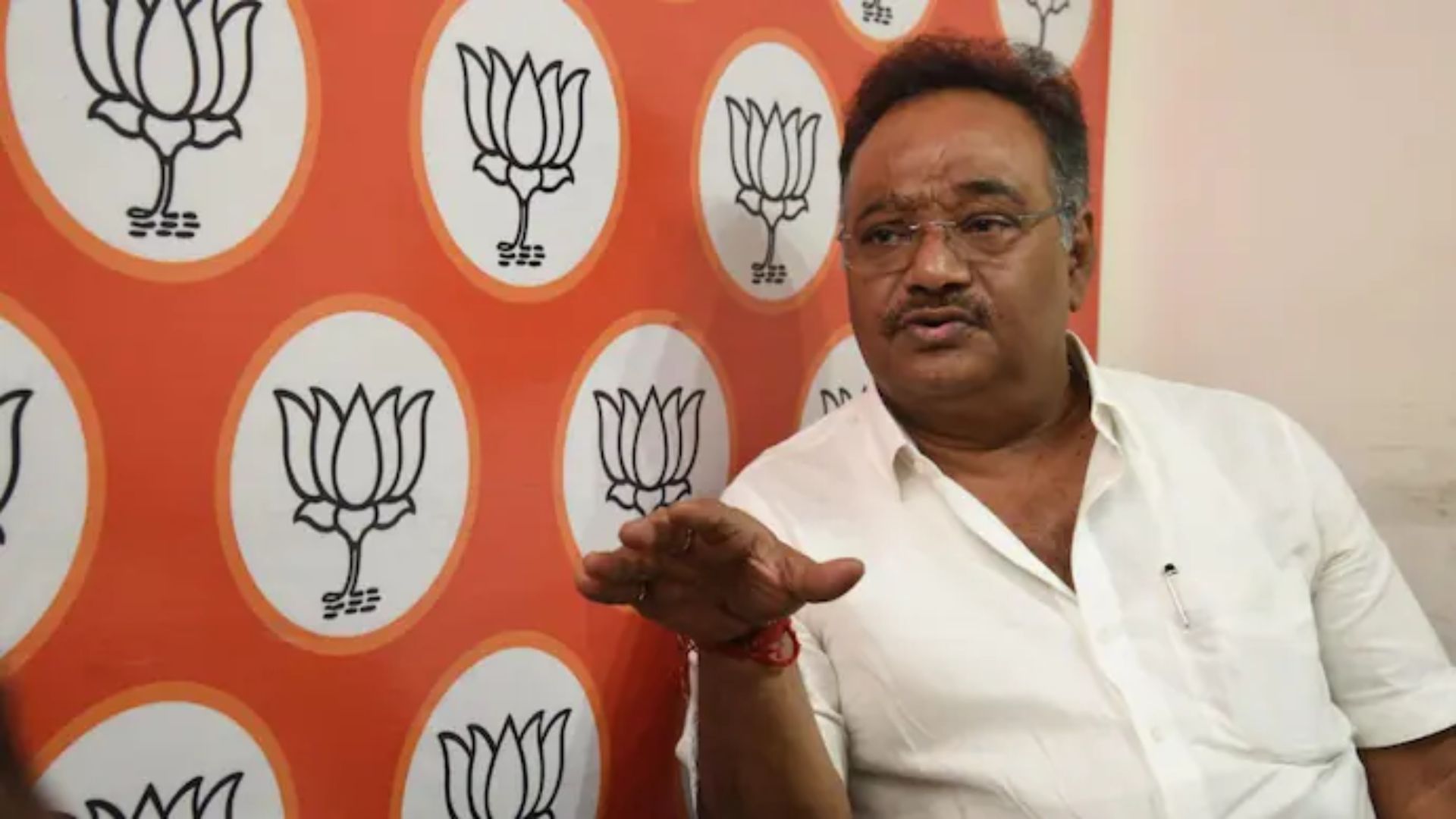
New Bengal BJP chief vows unity, balances Hindutva with inclusive political messaging.
New Delhi: In a bid to revive its fortunes in West Bengal, the Bharatiya Janata Party (BJP) has appointed Samik Bhattacharya as its new state president after weeks of internal consultations. A long-time RSS affiliate and proponent of Atal Bihari Vajpayee’s brand of liberal Hindutva, Bhattacharya has immediately begun reshaping the party’s narrative—emphasising outreach to Muslim communities and the Left-leaning electorate.
Determined to resolve factionalism within the state unit, Bhattacharya has sought to bridge the divide between camps led by former president Dilip Ghosh and Union Minister Sukanta Majumdar. In his first address to party workers, he stressed harmony, stating, “BJP’s fight is not against Muslims. We want books in our youth’s hands, not stones. A Bengal where Muharram and Durga Puja coexist peacefully is our goal.”
Notably, he highlighted that nearly 90% of political violence victims in Bengal are Muslim, while clarifying that electoral success does not hinge solely on Muslim votes—citing Assam as an example where the BJP succeeded despite limited minority support.
While Bhattacharya aligns ideologically with Opposition Leader Suvendu Adhikari, who continues to champion assertive Hindutva, he has also struck a broader note. In a rare gesture, he praised both Jan Sangh founder Shyama Prasad Mukherjee and former CPI(M) Chief Minister Jyoti Basu for “saving Bengal” during Partition—an unusual acknowledgement of Bengal’s Left legacy.
The BJP continues to focus on Hindu vote consolidation, raising issues like attacks on Hindus in Bangladesh, the TMC’s alleged appeasement politics, and communal tensions in districts like Murshidabad. However, Bhattacharya’s appointment signals a shift toward a more layered political strategy. Despite a strong campaign in the last assembly elections, the BJP failed to unseat the Trinamool Congress (TMC). Now, under Bhattacharya, the party seems to be adjusting its tone.
His first public event included paying homage to Maa Kali—an attempt to align with Bengal’s cultural and spiritual identity.
Yet, the biggest challenge before him remains internal: unifying warring factions and building a cohesive electoral front capable of countering Mamata Banerjee’s dominance.
For now, Bhattacharya appears set on crafting a more inclusive and nuanced BJP narrative—one that reflects Bengal’s diverse political and social fabric.




