
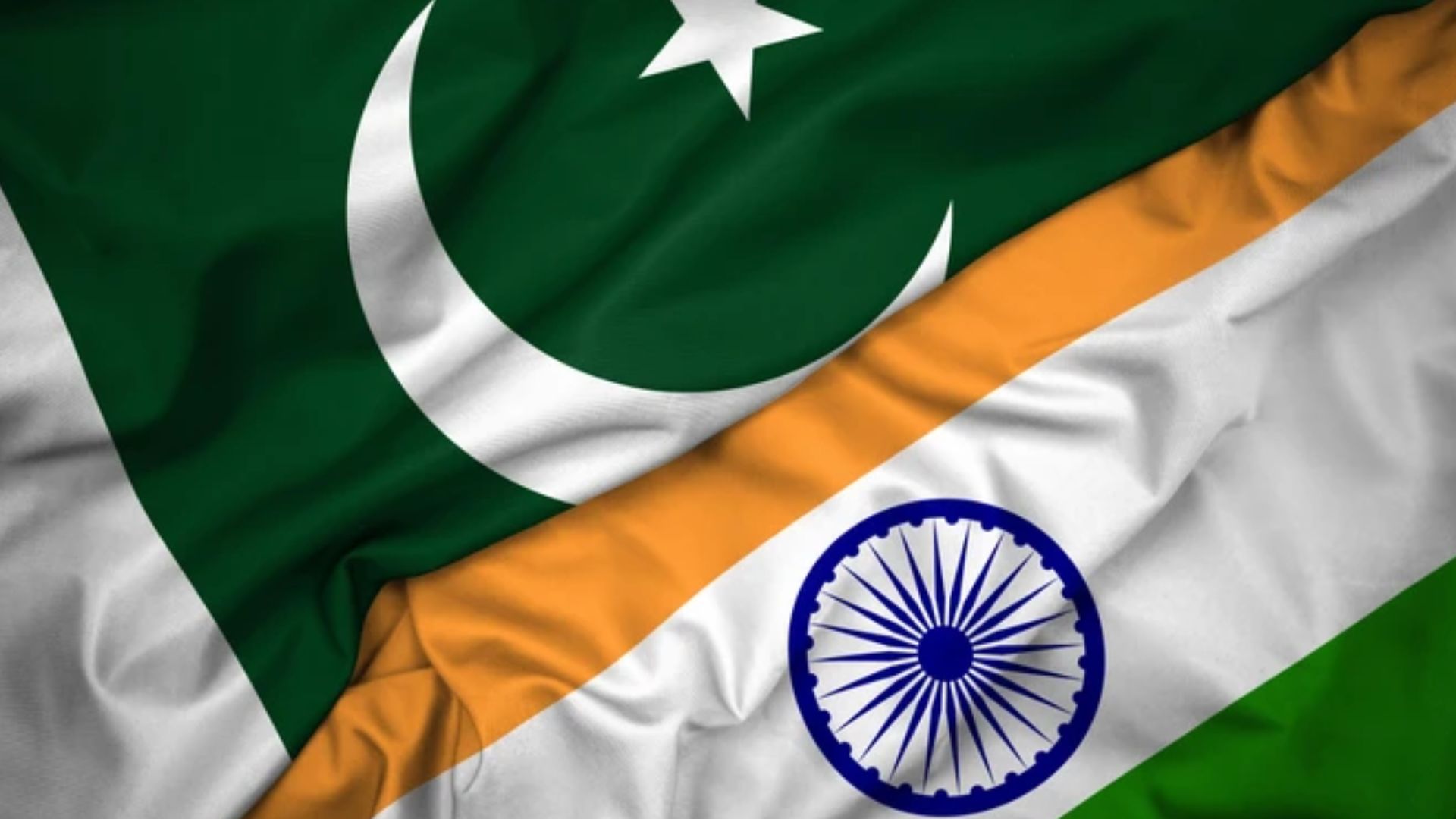
On a quiet morning in Karachi on July 27, 1949, representatives from India and Pakistan gathered to end the bloody conflict over Jammu and Kashmir, signing a ceasefire agreement meant to halt months of fighting and stabilise the region. Under international oversight, notably by the United Nations Commission for India and Pakistan, this Karachi Agreement drew a ceasefire line through a contested Himalayan region, a gesture toward stability and hope in South Asia.
Yet, 76 years later, this boundary—now known as the Line of Control (LoC)—has become one of the world’s most volatile flashpoints. Despite this, Pakistan frequently invokes the original Karachi Agreement, demanding strict adherence from India, even as its own record of repeated violations paints a stark picture of diplomatic hypocrisy.
This selective behaviour is not an anomaly: Pakistan’s strategy consistently involves demanding international adherence to agreements while undermining those very commitments through its own actions. This entrenched pattern of diplomatic duplicity is a central factor in the region’s continued instability.
The first glaring instance of Pakistan’s breach of the Karachi Agreement unfolded in 1965. Pakistani military planners initiated Operation Gibraltar, a secretive scheme aimed at infiltrating Kashmir with soldiers disguised as local insurgents. This provocative incursion not only violated the fundamental clauses of the Karachi Agreement, which explicitly prohibited introducing additional military forces, but it also rapidly escalated into a full-scale war between the two nations. Though eventually repelled, the operation marked a turning point, eroding trust between neighbours and underscoring Pakistan’s readiness to violate established peace agreements when perceived strategic benefits emerged.
But Operation Gibraltar was merely the beginning of a troubling pattern. Throughout the 1980s, the frigid, desolate expanse of the Siachen Glacier became yet another battlefield. Pakistani forces sought to militarise the glacier, violating both the spirit and letter of the Karachi Agreement’s understanding of territorial limits. India responded with Operation Meghdoot, securing the region in 1984 after fierce combat. Today, Siachen remains the world’s highest-altitude battlefield—a stark reminder of how agreements made in the diplomatic rooms of Karachi failed to deliver their intended peace.
In May 1999, the world watched anxiously as Pakistani forces crossed the LoC once again, quietly capturing strategic peaks in the Kargil district. The resulting conflict saw intense combat amid towering, snow-covered mountains, drawing global condemnation. The Kargil conflict violated not only the 1949 Karachi Agreement but also the subsequent 1972 Shimla Agreement, an accord signed in the aftermath of the 1971 war, which superseded the Karachi agreement and mandated bilateral dispute resolution between India and Pakistan.
Yet Pakistan’s pattern of strategic duplicity runs deeper. Despite agreeing in Shimla to bilateral negotiations without third-party intervention, Pakistan repeatedly attempts to internationalise the Kashmir dispute, urging global powers and institutions, including the United States, China, and the UN itself, to mediate. Pakistan’s continued appeal to the Karachi Agreement, despite its clear replacement by Shimla’s provisions, serves as an intentional diplomatic tactic: to frame itself as committed to international norms while subtly undermining India’s legitimacy.
Indeed, Pakistan’s manoeuvring goes beyond mere rhetoric. Its specialised military units, such as the Special Services Group (SSG) and the notorious Border Action Teams (BAT), regularly engage in nefarious, brutal, and morally bankrupt activities in violation of military and diplomatic norms and agreements. These provocations deliberately destabilise an already fragile peace, sparking periodic violence and sustained tension.
As recently as April 2025, following the deadly terror attacks in the Kashmiri town of Pahalgam, Pakistan publicly called for de-escalation and peace. Yet, even as these appeals were broadcast internationally, their troops repeatedly breached ceasefire agreements, engaging in cross-border firing. Such incidents put the spotlight yet again on Islamabad’s consistent contradiction: diplomatic appeals for peace are frequently accompanied by simultaneous military provocations.
The West, especially the United States and Europe, responds with cautious ambivalence. Focused on other priorities, Western nations rarely challenge Pakistan’s violations. This silence emboldens Islamabad’s diplomatic manipulation and use of outdated agreements.
Moreover, Pakistan leverages its strategic partnership with China, particularly through the China-Pakistan Economic Corridor (CPEC). This massive infrastructure initiative traverses disputed territories claimed by India, effectively binding Beijing’s geopolitical interests to the Kashmir conflict. In turn, Pakistan’s repeated invocation of the Karachi Agreement and other international resolutions serves to legitimise Chinese involvement, deepening regional complexities and exacerbating tensions.
The perils of Pakistan’s diplomatic double standards are clear: by demanding international scrutiny for India while routinely violating its own obligations, Islamabad undercuts the foundations of trust and stability essential for peace in South Asia. This calculated approach, placing appearances above substance, ensures that genuine resolution remains elusive.
For lasting peace, the international community must confront this paradoxical diplomacy directly. Acknowledging Pakistan’s dual approach, vocally advocating for international agreements while quietly breaching them, is crucial. Diplomacy must hold Islamabad accountable, emphasising adherence to established bilateral frameworks, such as the Shimla Agreement, rather than permitting selective referencing of outdated agreements.
Seventy-six years ago, India and Pakistan aimed for lasting peace in Karachi. Today, that vision is threatened primarily by Pakistan’s pattern of selective adherence to international agreements while flouting bilateral consensus. Only genuine commitment to existing bilateral frameworks—not diplomatic selective outrage—can unlock a stable future for South Asia.
(Ashish Singh is an award-winning senior journalist with over 18 years of experience in defence and strategic affairs.)




