
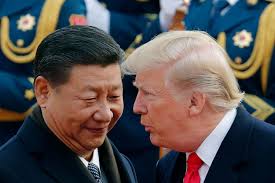
By any measure, the U.S.-China relationship is a high-wire act— fraught with strategic rivalry, economic entanglement, and ideological divergence. Yet when it comes to presidential diplomacy, both Donald Trump and Joe Biden have shown a strikingly similar instinct: play nice with Xi Jinping when the stakes demand it. The choreography may differ, but the dance is the same.
President Trump recently confirmed that Xi Jinping has invited him to China, and he’s likely to accept “in the not-too-distant future”. The timing is no accident. With trade negotiations intensifying and a looming August 12 deadline for a new tariff agreement, Trump is softening his rhetoric, emphasizing a “very good relationship” with Xi. He’s even suggested that the Philippines should feel free to pursue economic ties with Beijing—a far cry from his usual hard-line stance. This isn’t a pivot; it’s a pattern.
Trump’s transactional approach to diplomacy has always included moments of theatrical deference when leverage is needed. Whether it’s dangling tariffs or courting Xi’s favour to stabilize markets, Trump knows that optics matter— and he’s willing to play the part. Rewind to November 2023, when President Biden hosted Xi at the APEC summit in San Francisco. The lead-up was months of quiet diplomacy: dispatching top officials to Beijing, easing restrictions, and signalling openness to dialogue. The goal? Get Xi to show up. And he did—his first U.S. visit since 2017. Biden’s team framed the summit as a chance to “reestablish military-to-military communications” and manage competition responsibly. But beneath the diplomatic language was a clear reality: the U.S. bent over backward to make Xi’s attendance palatable. From climate cooperation to agricultural purchases, the administration offered gestures of goodwill that mirrored Trump’s own playbook.
Both Presidents claim to be tough on China. Trump touts tariffs and bluster; Biden emphasizes alliances and values. But when it comes to securing face time with Xi, both have shown a willingness to dial down the confrontation and dial up the charm. This isn’t hypocrisy—it’s realpolitik. The U.S. needs China at the table, whether to curb fentanyl flows, stabilize trade, or manage Taiwan tensions. And Xi, ever the strategist, knows how to extract symbolic concessions in exchange for presence. Presidential diplomacy with China is performative. The optics of strength often mask the backstage negotiations of deference. Xi Jinping remains the gatekeeper. His willingness to engage is treated as a prize, and both Trump and Biden have played to win it.
The U.S. approach to China is bipartisan in its pragmatism. Despite rhetorical differences, both administrations have bent when necessary. Whether it’s Trump’s upcoming visit or Biden’s APEC summit, the pattern is clear: when the stakes are high, the U.S. president— regardless of party—will play up to Xi. The real question isn’t who’s tougher. It’s who’s more effective at navigating the paradox of rivalry and reliance. And in that paradox, deference isn’t weakness—it’s strategy dressed in diplomatic silk.




