
By tying almost its entire naval modernisation to a single foreign supplier, Pakistan has traded short-term acquisition gains for long-term strategic vulnerability. According to the Stockholm International Peace Research Institute (SIPRI), China supplied 81% of Pakistan’s arms imports between 2020 and 2024. In the maritime domain, that dominance is almost total.
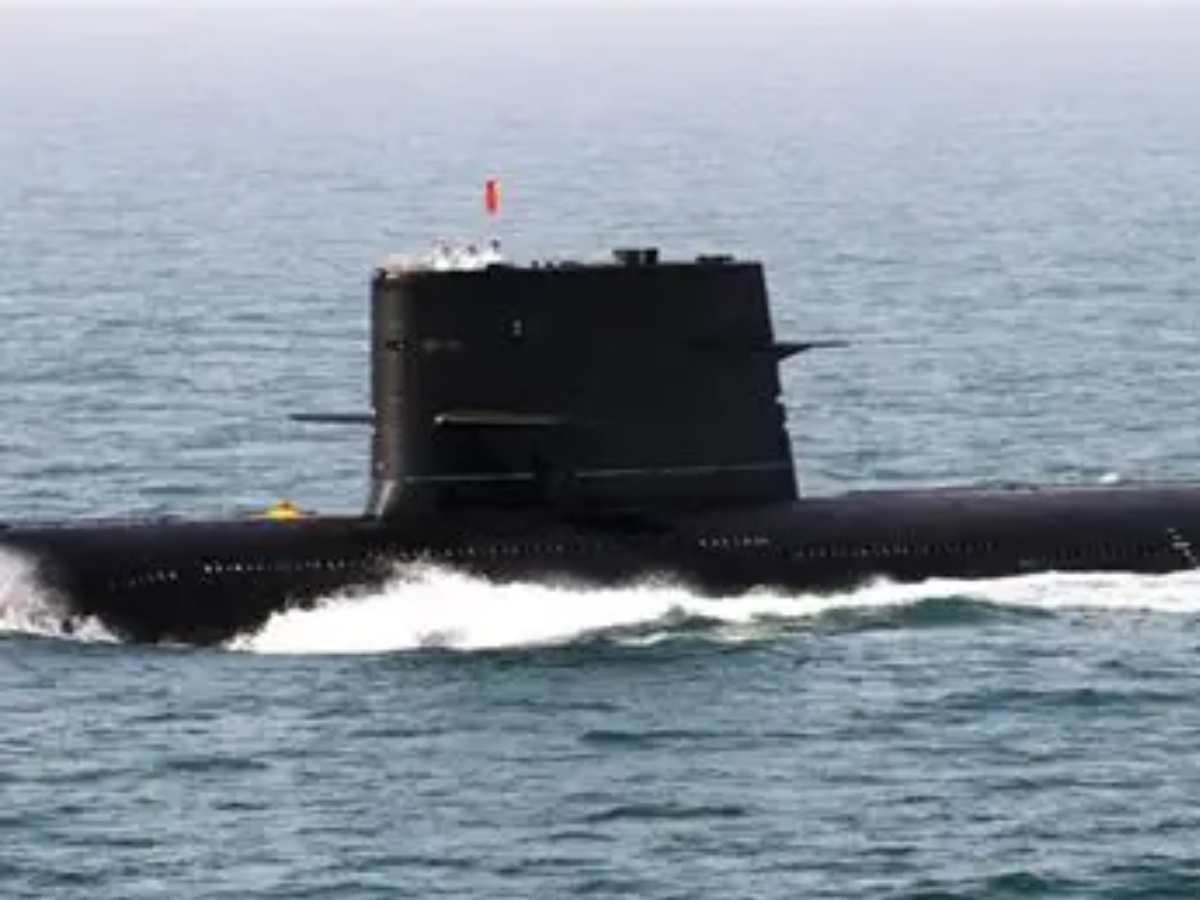
The centrepiece of this dependence is the Hangor-class submarine programme — eight S-26 (export Yuan-class derivative) boats, four to be built in China and four at Karachi Shipyard under a technology-transfer arrangement. While billed as capacity-building, such “transfer” is tightly ring-fenced by Chinese intellectual property, sub-systems, and maintenance pipelines. The result: decades of reliance on Beijing for spares, upgrades, and software changes.
The story is similar with the four Type-054A/P (Tughril-class) frigates delivered between 2021 and 2023. Built entirely in Chinese yards, they embed Chinese combat management systems, sensors, and effectors. In theory, these could be swapped out for alternatives. In practice, interoperability with non-Chinese kit is expensive, time-consuming, and politically fraught.
The Illusion of Autonomy
Defenders of this procurement policy point to the reluctance of Western suppliers to sell high-end naval technology to Pakistan. That may be true, but it is also incomplete. By funnelling nearly all big-ticket buys through one vendor, Islamabad has stripped itself of leverage. If schedules slip, if spares are delayed, or if political bargaining intrudes, the Pakistan Navy has little recourse. Vendor diversification is not a slogan — it is an insurance policy.
Moreover, dependence is not just about hardware. It shapes training syllabi, logistics chains, and operational doctrine. The more a navy’s fleet is standardised around one country’s platforms, the more its tactical options are defined by that supplier’s technological and doctrinal worldview.
The Strategic Price
Chinese naval exports have faced recurring after-sales challenges in multiple client states: spare-part shortages, unclear warranty enforcement, and long repair lead times. For a fleet now overwhelmingly Chinese in origin, those generic risks become systemic. In any prolonged maritime crisis, availability rates — not brochure range or missile load-outs — will decide combat credibility.
Dependency also has a diplomatic cost. When your primary arms supplier is also a strategic partner of your rival’s main adversary, the room for manoeuvre in foreign policy narrows. Pakistan’s ability to shape outcomes in multilateral forums, or to calibrate its security posture without factoring in Beijing’s preferences, will inevitably erode.
A Way Out
Breaking free from this dependency is neither easy nor immediate. But three steps could start to restore strategic balance:
1. Diversify sourcing — even if some platforms must still come from China, sub-systems and weapons packages can be procured from other countries to widen the supplier base.
2. Insist on enforceable spares and upgrade clauses — contracts must hard-wire performance metrics for parts availability, with penalties for non-compliance.
3. Phase procurement with fiscal space — sequencing deliveries reduces the risk of being locked into high-cost dependency while the economy is under strain.
Pakistan’s naval strategy needs credible capability, but it also needs the autonomy to sustain and deploy that capability when it matters most. As the current trajectory stands, Islamabad risks fielding a fleet that looks formidable in peacetime but is dangerously brittle in war. Strategic dependence is not just a procurement flaw — it is a security vulnerability of the highest order.
(Aritra Banerjee is the co-author of the book ‘The Indian Navy @75: Reminiscing the Voyage)




