
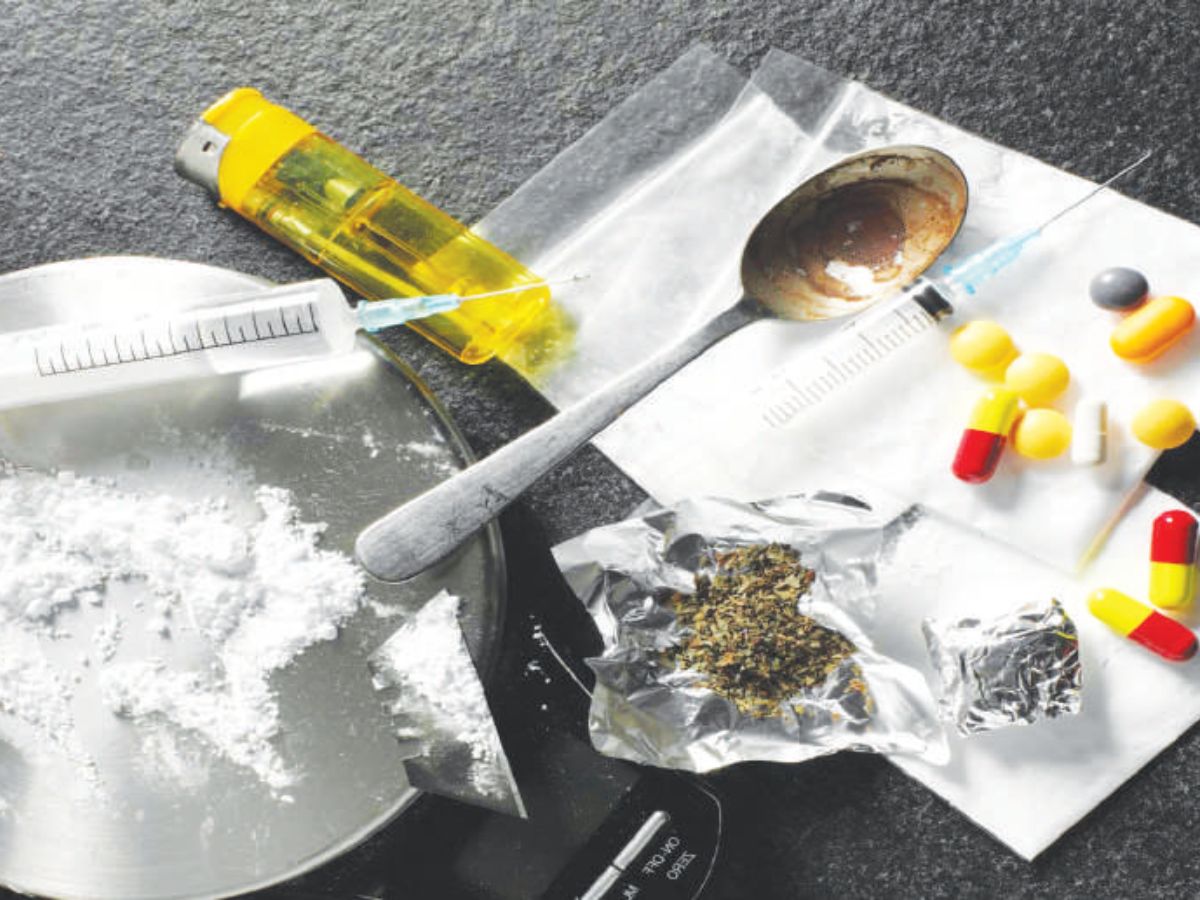
In Punjab, the crisis of opioid addiction has spiralled into an epidemic, engulfing many lives and families in its destructive cycle. While the battle against addiction is complex, involving social, economic, and psychological factors, the root of the problem lies in understanding how these drugs interact with the brain and body. Addiction to opioids doesn’t just happen overnight, but once established, it transforms the very nature of pleasure, making recovery a long and painful journey. In a state where addiction is rampant, breaking free requires a deep understanding of the science behind addiction and the tools available for recovery.
As neuroscientist Andrew Huberman aptly puts it, addiction is “the narrowing down of the things that give us pleasure.” Initially, opioids offer what seems like a shortcut to pleasure—an overwhelming flood of dopamine, the neurotransmitter responsible for feelings of reward. However, there’s no such thing as free dopamine, just as there’s no such thing as a free lunch. The initial rush of pleasure comes at a steep cost, leaving the brain’s reward system dulled and dependent on these substances to feel anything close to normal. That is the very definition of addiction.
To understand why opioids are so powerful, it’s essential to examine how they mimic the brain’s natural painkillers—endorphins. Like a key fitting into a lock, endorphins bind to pain receptors in neurons (the basic building blocks of the Brain, Spinal Cord and Nervous system), inhibiting the transmission of pain signals and offering a natural sense of relief. Opioids, being chemically similar to endorphins, bind to these same receptors. The difference, however, is that while endorphins are released in moderation, opioids flood the system, overwhelming the brain’s natural balance.
Over time, this alters the brain’s structure and function, causing it to crave more of the drug while losing interest in everything else that once brought pleasure. For a moment remember the last time you exercised, towards the end of physical exertion, the body and mind feel at ease, almost elated. These are the effects of the body’s endorphins—our own natural painkillers. Runner’s high—a euphoric feeling often experienced after prolonged, intense physical exercise, is the result in large part due to the release of endorphins. The problem is that opiates have a structure so similar to endorphins, that they not only bind to opiate receptors but straight up flood them. This supra natural high is powerful enough to downregulate the body’s homegrown production of endorphins, making it hard to enjoy the simple pleasures of life.
The consequences of opioid addiction go far beyond the brain’s reward system. Not only do opioids increase dopamine, but they also suppress noradrenaline, a key neurotransmitter that regulates vital bodily functions. This suppression results in a host of dysfunctions, including constipation, a slowed heart rate, and dangerously lowered breathing—symptoms that can lead to loss of consciousness and even death. The danger becomes even more evident during overdose, where the body’s functions are so suppressed that breathing stops altogether; this is technically called respiratory depression and is unsurprisingly fatal.
One of the most harrowing aspects of opioid addiction is withdrawal. After prolonged drug use, the body adapts by building new receptors to combat the chronic suppression of noradrenaline. When opioids are suddenly removed, noradrenaline levels rebound at an astonishingly fast rate, causing severe withdrawal symptoms within just one day. The sudden spike in noradrenaline is responsible for many of the painful symptoms of withdrawal, including anxiety, nausea, muscle pain, and rapid heart rate. This violent surge of noradrenaline is what makes withdrawal such a daunting process for those trying to quit.
To overcome these intensely unpleasant side effects we resort to drugs like buprenorphine and methadone. The problem is that these substances are narcotic drugs in their own right and have huge abuse potential. They are often diverted from de-addiction centres and become gateway drugs.
In the fight against opioid addiction, there are two medications no one seems to be discussing—naloxone and naltrexone. Naloxone, often referred to as a lifesaving drug, can rapidly reverse an opioid overdose. Administered through injection, naloxone works by quickly displacing opioids from their receptors, thereby restoring normal breathing in someone who has overdosed. Remarkably, naloxone can be administered by someone with minimal training, making it an essential tool in emergency situations.
In the United States alone, by 2019, naloxone had reversed over 26,000 opioid overdoses between 1996 and 2014, according to the CDC, with that number rising as the opioid crisis continued. With a cost effective medication like naloxone, one can at least save the life of an addict, giving him another chance at reform.
Another medication used in treating opioid dependence is naltrexone, which blocks the euphoric effects of opioids and helps reduce cravings. While not as widely available in India as it is in countries like Canada, where it is provided free of charge in pharmacies, naltrexone holds great potential in the rehabilitation process. In other words, it severely blunts the high of opioids by binding to the pleasure centres of the brain. Put simply, it steals the thunder of illicit drugs. Its availability could be a game-changer for Punjab, offering a long-term solution for those seeking to break free from the cycle of addiction. Naltrexone can be administered once a month via an intra-muscular injection or can be taken daily as a tablet.
The best part is that both naloxone and naltrexone have no abuse potential whatsoever. Nobody can get “high” on them, unlike the soft opiates like methadone and buprenorphine. Used together they can be a sword and shield to curb demand reduction.
Punjab’s struggle against opioids will not be won overnight, but through science, we can save lives and give hope to those who seek freedom from addiction. Sometimes a chemical problem needs a chemical solution.
Daanish Gill is an IRS Officer of 2016 batch. He is presently on secondment to Narcotics Control Bureau. Opinions are personal.




