
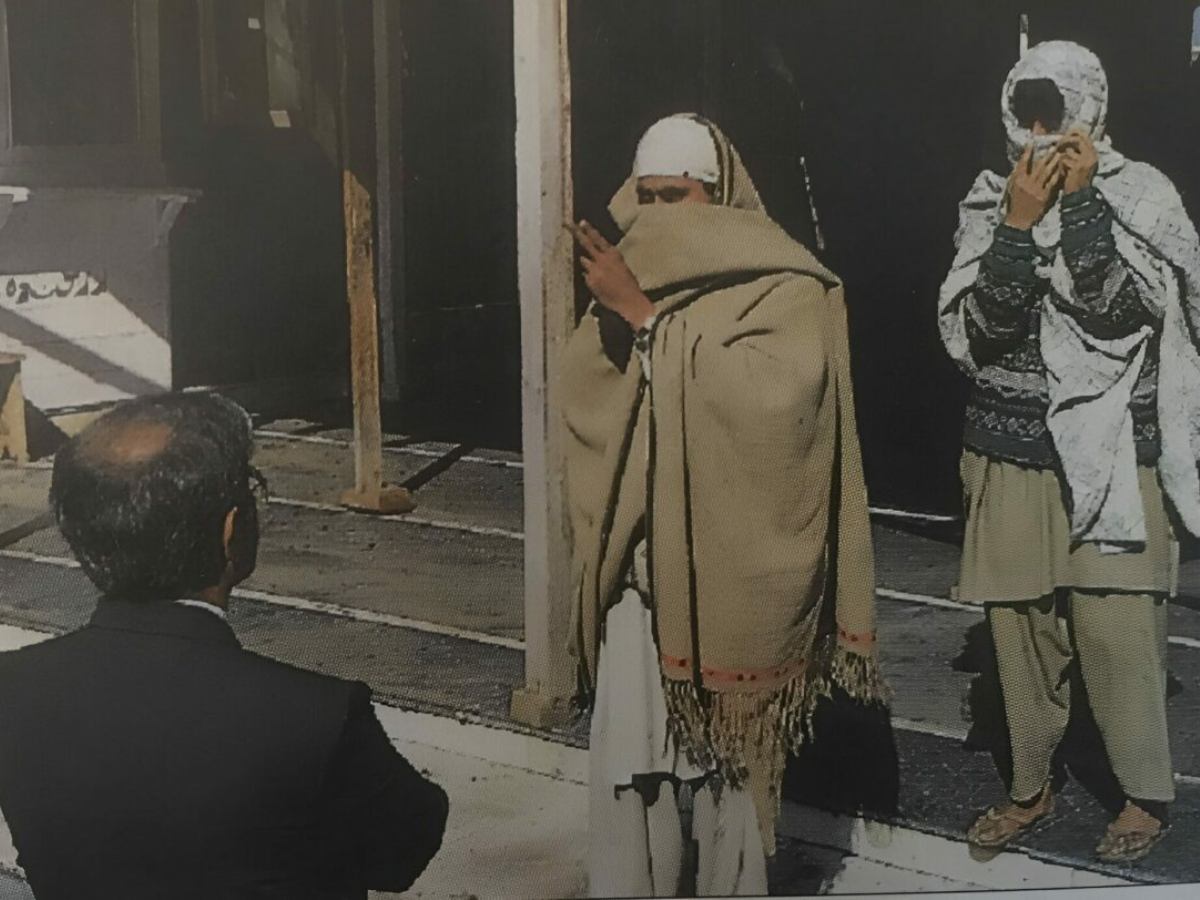
In the small hours of 16 November 1993, with Srinagar under curfew, about sixty-five men filed out of the Hazratbal shrine. They spoke little. Their weapons stayed inside. One negotiator had even suggested they “throw them in the well” to avoid the theatre of a handover in a sacred place. It was a quiet end to a tense month.
How it ended
The core deal was straightforward. Those inside could leave without their arms. As they emerged, officials checked identities; anyone not wanted for serious offences would be released, and others held for questioning. The emphasis was de-escalation: secure the exit, protect the shrine, keep the city calm.
Clerics as go-betweens
Because formal negotiations between the gunmen and the government were fraught, religious leaders carried messages and softened mistrust. Among them was Moulvi Bashir-ud-Din, whose role helped reassure the public that the shrine’s sanctity would be honoured. The same approach—quiet clerical mediation backed by firm crowd control—would be used again in later flare-ups.
Civilian lead, security in support
The government kept the military in the background and put civil administration out front. Kashmir’s Interior Secretary, Mehmood-ur-Rehman, announced terms and screening procedures, framing the outcome as a law-and-order matter rather than a battlefield victory. Throughout, the Army and police ring-fenced Hazratbal but did not enter. Curfews were tightened when needed; movement was controlled; potential flashpoints were contained.
This posture—robust perimeter, no sanctum breach—mattered. It recognised that Hazratbal houses the Prophet’s relic and sits at the heart of Kashmiri Muslim life. A misstep inside the shrine could have turned a standoff into a lasting wound. Restraint, visibly and consistently applied, helped prevent provocation from becoming a wider conflagration.
The suggestion to discard weapons in the well captured the tone of the night– avoid spectacle, avoid humiliation, avoid images that could inflame sentiment.
This was never just a security incident. It was also a test of whether force or faith would set the terms. Dialogue, carried by people the community trusted, proved the only safe route. By dawn, the shrine stood unharmed, no shots had been fired, and Srinagar was quiet.
What held it together
No blanket amnesty was offered. Each man who left was checked. The security forces stayed alert in case the situation turned. But discipline on the perimeter, clear civilian messaging, and clerical mediation kept tempers in check and allowed a peaceful exit.
Hazratbal’s lesson is that when a holy place is involved, patience and process matter as much as power. A respectful surrender without weapons turned a dangerous confrontation into a calm conclusion and kept the sanctity of the shrine intact.
(Aritra Banerjee is a defence, foreign affairs, and strategic affairs columnist, and co-author of The Indian Navy @75: Reminiscing the Voyage. He holds a Master’s in International Relations, Security and Strategy, and writes extensively on security, geopolitics, and military history with bylines in leading national and international outlets.)




