
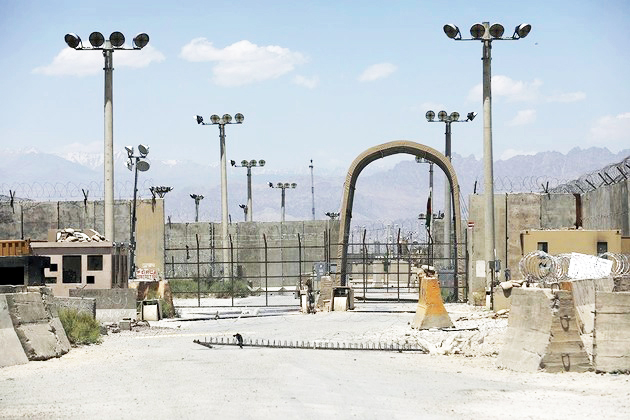
NEW DELHI: India has neither sought nor been offered any presence at the Bagram Air Base in Afghanistan, officials in Kabul clarified, dismissing recent social media reports as “baseless” and aimed at discrediting the relationship between the two countries. The clarification comes amid a swirl of speculative posts on various online platforms suggesting that New Delhi was negotiating a role or logistical access at the sprawling former U.S. military base north of Kabul. Afghan officials described such claims as “fabrications,” pointing instead to “deliberate attempts” by certain quarters to sow suspicion about India’s engagement with Afghanistan’s current administration.
The rumours gained traction after reports surfaced that India had quietly wound down its limited logistical presence and withdrawn its assets and personnel from the Ayni Air Base in Tajikistan a facility it had helped refurbish two decades ago. While India’s involvement there was limited to technical cooperation, its exit triggered speculation that it might seek a replacement foothold in the region, possibly within Afghanistan. However, informed sources have underscored that no such move has been initiated or discussed. “There is absolutely no proposal under consideration for any Indian presence in Bagram,” a source familiar with the matter said, calling the social media chatter “a coordinated misinformation attempt”.
Behind the rumours lies the enduring strategic weight of Bagram. Once the nerve centre of U.S. and NATO operations in Afghanistan, the base—just 60 kilometres north of Kabul remains one of the most heavily fortified and well-equipped military installations in the region. Built initially by the Soviets in the 1950s and later expanded by American forces after 2001, Bagram’s twin runways and deep logistical network made it the linchpin of foreign military presence in Afghanistan for nearly two decades. Its strategic location close to the Hindu Kush and within operational reach of Central and South Asia has long made it a coveted site for intelligence, logistics, and counter-terror operations.
Sources in Kabul suggested that recent U.S. interest in reviving some form of operational access to Bagram, ostensibly under the pretext of counterterrorism monitoring, may have contributed to the renewed speculation. Washington’s overtures, these sources said, are believed to be “driven by strategic calculations influenced by Rawalpindi,” referring to Pakistan’s military establishment, which has been accused of pressing for a U.S. presence in the base as a way to manage its own regional insecurities.
For India, the optics of such narratives are sensitive. New Delhi has sought to re-establish a diplomatic and humanitarian footprint in Afghanistan after the Taliban takeover but has steered clear of any overt military involvement. Indian officials have repeatedly emphasized that their engagement is focused on “developmental partnership and direct people-to-people support—schools, health, food aid, and infrastructure—not on defence alignments”. Any suggestion of a covert Indian presence in Bagram would therefore not only run counter to its stated policy but also risk complicating its delicate balancing act with regional players, including Iran, Russia, and Central Asian republics, all of whom have their own stakes in Afghanistan’s security landscape.




