
Prof. (Dr.) K. G. Suresh—Director of the India Habitat Centre, former Director General of the Indian Institute of Mass Communication (IIMC), and former Vice Chancellor of Makhanlal Chaturvedi National University of Journalism & Communication—recently returned from a significant multicity visit to Israel. As part of a distinguished art and culture delegation from India invited by the Ministry of Foreign Affairs (MFA), Government of Israel, Prof. Suresh participated in a series of immersive experiences blending history, diplomacy, culture, and human memory.
In an exclusive conversation with The Sunday Guardian, he reflects on the emotional, intellectual, and spiritual dimensions of the journey.
The visit was aimed at strengthening people to people relations, particularly in the film and cultural space, between the two ancient nations. “I was part of a delegation associated with cinema and culture and there’s immense scope for collaboration between the two nations. We have so much in common, from democracy to civilizational challenges that we face.”
He participated in the internationally attended Jerusalem Sessions. Prof. Suresh describes it as “an extraordinary platform for cross-cultural dialogue.” “These sessions brought together filmmakers, scholars, journalists, and thought leaders from around the world,” he tells. “We spoke not only about the craft of storytelling but also the responsibilities we carry as communicators in a polarized global landscape. It was a reminder that narratives shape nations—and sometimes even save them.”
He emphasizes that the Indian delegation’s participation was widely appreciated and added depth to discussions on media ethics, cultural diplomacy, and global peace narratives.
Prof. Suresh calls his visit to Jerusalem’s Old City a “profoundly spiritual experience.” Accompanied by the delegation, he walked through the narrow stone streets leading to the Wailing Wall, the holiest place of prayer for the Jewish people. “Standing before the Wall, witnessing centuries of devotion etched into those stones—it was humbling,” he says. “You feel the weight of history and the power of faith,” he further adds.
At the Church of the Holy Sepulchre, he reflected on the overlapping layers of religious significance. “It is rare to find a place where time folds into itself. The Old City does that. Every faith has a story here.” For Prof. Suresh, the Old City was not just a tourist visit—it was a moment of personal reflection on India’s millennia-old ethos of coexistence.
One of the most emotionally charged moments of the visit was the delegation’s journey to the Nova Festival Massacre Site, situated in the Gaza Envelope. Prof. Suresh recounts the silence that fell upon the group as they reached the location. “It was devastating to stand where so many young lives were cut short,” he tells. He further adds, “The grief is still fresh. The pain is palpable. We found striking similarities with the Pahalgam terror attack.”
Prof. Suresh describes meeting survivors and families of the victims: “Listening to them reminded me that while geopolitics may be complex, human suffering is universal. It transcends borders and ideologies.” He stresses that the visit left a “permanent imprint” on everyone present.
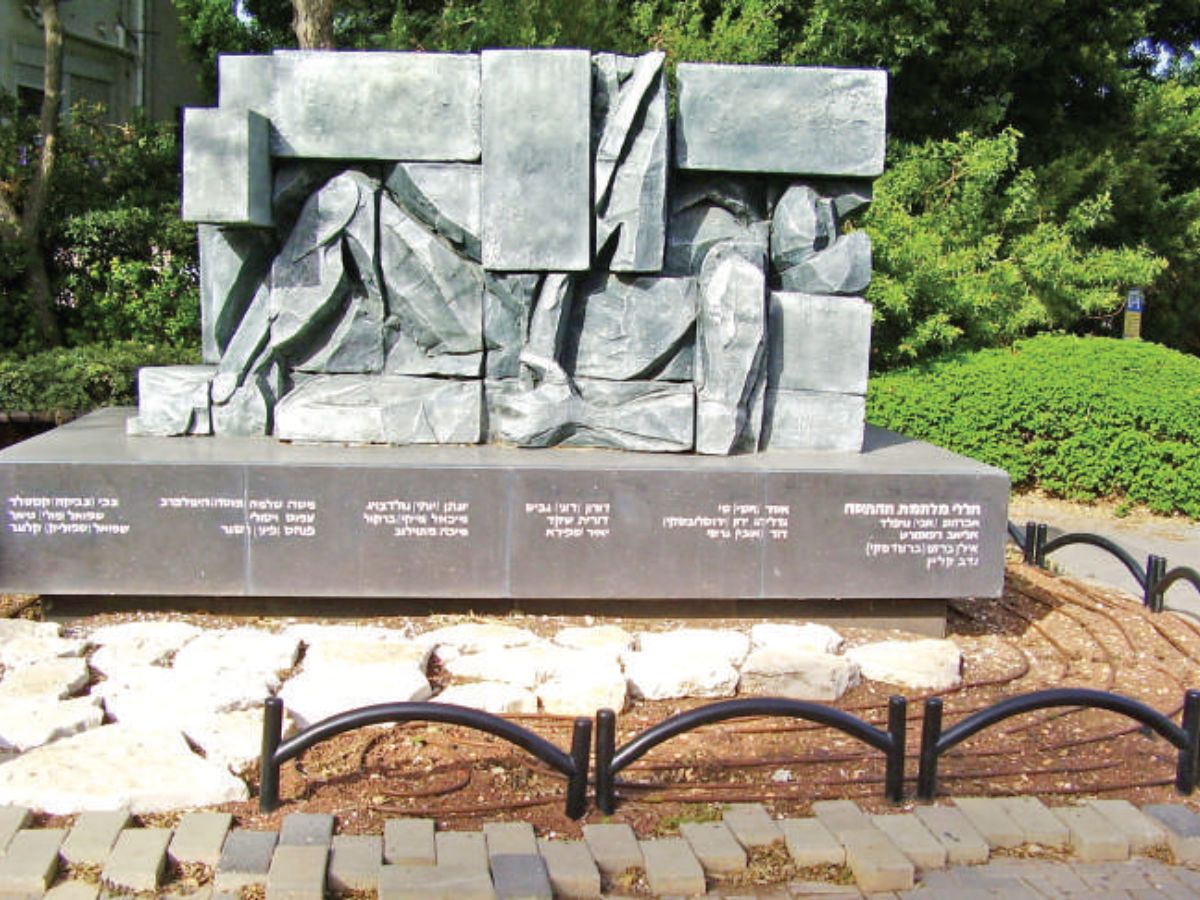
In Haifa, the delegation visited the Indian Soldiers Memorial, commemorating the role of Indian troops in the historic 1918 Battle of Haifa. “As an Indian, standing there filled me with pride,” Prof. Suresh says. “It’s a lesser-known chapter of our military history—a moment of bravery that deserves wider recognition.” He notes the emotional resonance of the site, recalling how Indian horsemen of the Jodhpur, Mysore, and Hyderabad Lancers liberated the city from Ottoman control.
The delegation also visited the magnificent Bahá’í Gardens, where Prof. Suresh was struck by the serenity. “It is one of the most peaceful places I have ever seen. It reminded me of our own Lotus Temple in Delhi. A symbol of harmony—something the world needs today.”
At the Yad Vashem Holocaust Remembrance Centre, Prof. Suresh says he experienced “a silence that pierces the soul.” “No museum has ever affected me the way Yad Vashem did,” he says. “You cannot walk through those rooms and remain the same. The photographs, the diaries, the children’s memorial—it shakes you to your core. We too need a museum on that scale to tell our future generations about the atrocities by invaders on our forefathers over the centuries right up to colonialism & the traumatic partition.”
He highlights that the experience reinforced his belief in responsible media, ethical storytelling, and the urgent need to counter hate. “We found even ordinary citizens familiar with Indian songs & actors like Raj Kapoor and Amitabh Bachchan. We also met a large number of Israelis who have been to Goa, Kerala and other parts of India. We are overwhelmed by the love and affection of the Israeli people for Indians,” he rejoices.
The icing on the cake was the culinary walk in Jerusalem along with internationally acclaimed food curator David Kichka. “The visit to Sapir College offered avenues for cooperation between the two countries in the domain of media & cinema education,” he reveals.
Reflecting on the entire journey, Prof. Suresh says, “We had the great honour of meeting the Ambassador of India to Israel, H.E. Mr. J. P. Singh, and his wonderful team at the Indian Embassy in Tel Aviv, apart from senior officials of the Ministry of Foreign Affairs, Israel. This visit was not merely a diplomatic or cultural engagement. It was a journey across centuries of faith, moments of unimaginable human suffering, and stories of courage and coexistence. It has strengthened my belief in dialogue, empathy, and truth.”
He reminds that such exchanges open new doors for India–Israel cooperation in media, culture, education, and people-to-people ties. “Through films & cultural performances, we need to inform the friendly people of Israel that there’s much more to India than Goa, Manali, and Kerala,” Prof. Suresh says.
Suresh feels the need to learn a lesson or two from the Israelis on narrative building. “They are inviting journalists, film makers, academicians & other intellectuals from the world over to tell their side of the story. We too are victims of terrorism. We too need to sensitize people all over to our concerns. Let’s not confine our briefings to the diplomatic community alone.,” he sums up.




