
The ancient Greek word “gymnos,” meaning a “place to train naked,” is the origin of the word Gymnasium or gym, a modern indoor venue equipped for physical exercise and strength training. Gym membership is expensive, and needs time and effort to reach the Gym through traffic, at the allotted time slot, a problem for those like this author who work 24×7, without a fixed schedule. Gyms also carry risks such as equipment-related injuries, overexertion, slips and falls, hygiene issues, and poor ventilation. These hazards affect both gym-goers and staff, making safety protocols essential.
Workouts are feasible with outdoor activities like running, hiking, rock climbing, and playing sports, but these are not feasible for most people. Swimming, the best exercise that strengthens breathing and all muscle groups, without straining joints of the obese, is a privilege not available to all. Walking on the street side in the absence of a proper footpath is perilous, due to traffic, smoke, dust, bad weather, stagnant, dirty water pools, and stray dogs. The best option for most people is to exercise at home, at a time of their choice, even in bad weather, and encouraged by the participation of their family. Strength training, Stretching, and Cardio exercise can be effectively done without machines using bodyweight exercises, resistance bands, yoga, martial arts, dance, and with additional weights for the upper body, like dumbbells, kettlebells, and Indian clubs.
CARDIO EXERCISES or Cardiovascular exercise means any activity that raises your heart rate and breathing for a sustained period, strengthening your heart and lungs by improving oxygen flow and circulation, and using oxygen for energy. Activities like brisk walking, running, cycling, hiking, trail running, or swimming get your body moving continuously, making you breathe harder to deliver oxygen to your muscles. Cardio exercises possible at home include jogging, stair/ladder climbing, aerobics, dancing, and use of a treadmill or cycling machine, or elliptical machine. For those with joint pains with excess weight, an alternative is to lie on the back and raise all four limbs and cycle in the air, as their weight does not strain their spine, hip, knees, and ankles. They can also perform abdominal crunches, back, and neck strength training exercises lying down.
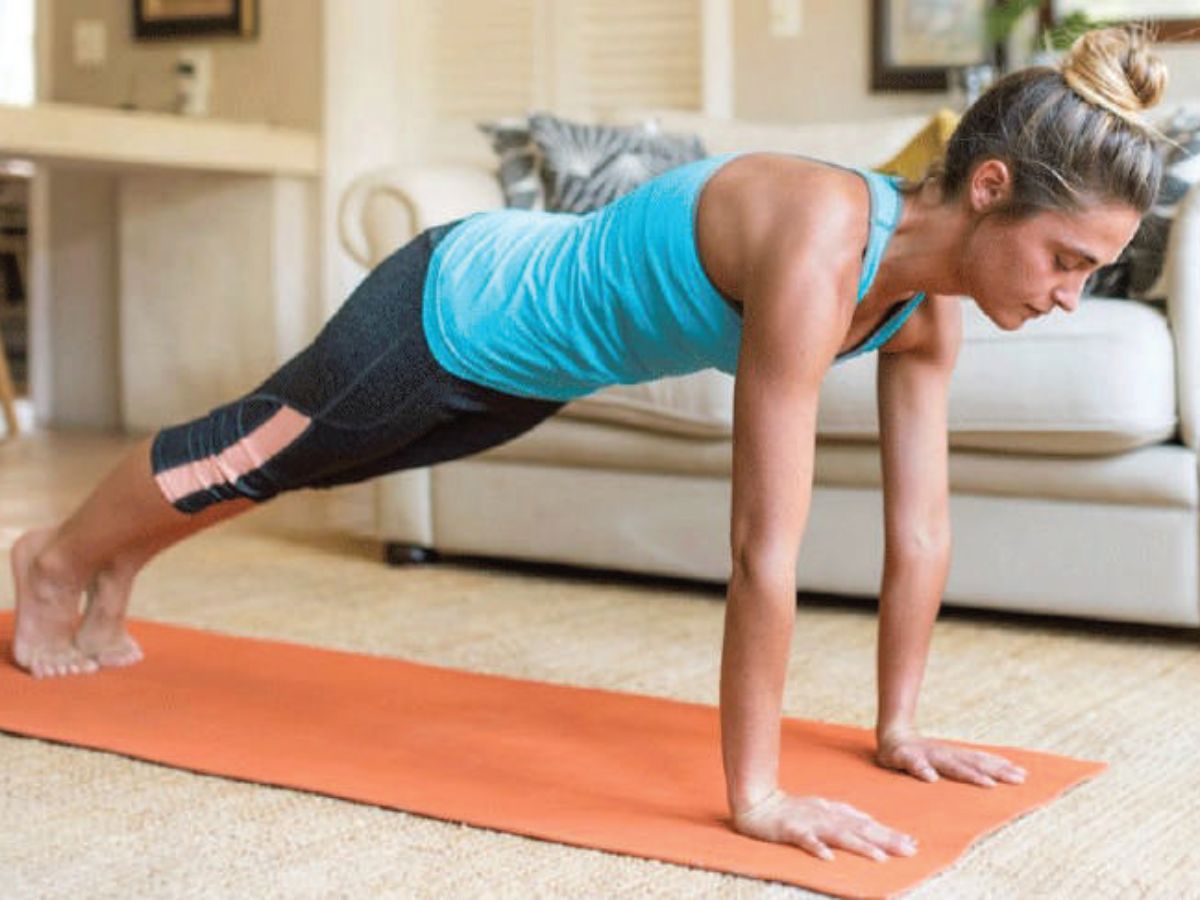
STRENGTH TRAINING, or resistance training, builds muscle strength, size, and endurance by working muscles against an external force like weights, bands, or your own body weight. It boosts metabolism, bone density, and overall fitness, helping with weight management and reducing chronic disease risks. Free weights like dumbbells, kettlebells, and Indian clubs, machines like the rowing machine, resistance bands, or bodyweight (pushups, squats, planks) can be used at home. Proper technique is essential to prevent injury. Gardening and manual work are real-life resistance training.
STRETCHING EXERCISES improve flexibility by gently elongating muscles, with common and controlled movements listed here, holding each move for 20-30 seconds for a gentle pull, not pain, focusing on deep breathing:
- Hamstring Stretches touching toes or reaching for feet,
- Quad Stretches-pulling heel to glute (large muscle of the buttocks) while standing,
- Calf Stretches standing a step away from a wall, then lean forward into the wall,
- Knees to Chest- hug one or both knees to the chest, lying on the back,
- Hip Flexor Stretch- Kneel on one knee, step the other foot forward, and push the hips forward,
- Chest Openers-hands clasped behind back, lift arms gently up and away from body,
- Torso Twists, seated or lying,
- Neck Stretch Sideways tilt ear to shoulder, hold gently.
YOGA’s postures (asanas) stretch muscles, and with deep breathing (pranayama) and meditation, aim for strength, balance, and mental well-being. Yoga integrates mind, breath, and body, fostering self-awareness and calmness.
CALISTHENICS exercises are a form of strength training using your own body weight for resistance, performed with little to no equipment. Many calisthenics exercises are compound movements that use multiple joints and muscle groups simultaneously, promoting functional strength and stability. These exercises can be done anywhere and can be a complete workout or used as a warm-up. They can be adapted to any fitness level, from simple movements for beginners to advanced skills for experienced practitioners. They build strength, endurance, flexibility, and coordination. Common examples include:
- Upper body: Push-ups, pull-ups, chin-ups (underhand grip), dips (on parallel bars)
- Lower body: Squats, lunges, jump squats
- Core and full body workout: Crunches, planks, burpees, jumping jacks.
AEROBICS is primarily cardio exercise that raises your heart rate and breathing, using large muscles rhythmically. While traditional aerobics incorporates elements of stretching and strength training for overall fitness, its main goal is heart health, distinguishing it from stretching exercises or pure strength training (anaerobic). Zumba is an aerobic fitness workout method that involves cardio and Latin-inspired dance.
DANCING is primarily a cardio exercise that boosts heart health by increasing heart pumping, improving blood flow and oxygen delivery, burning calories, and improving endurance. It also incorporates elements of stretching and strength training, enhancing flexibility, balance, and muscle tone, making it a holistic workout. The intensity determines if it’s moderate or vigorous cardio, while specific dance moves build flexibility, strength, and coordination. It develops agility and motor skills, thus improving coordination. Hence, dancing is a fun, full-body workout that delivers cardiovascular benefits like running or cycling, but with added flexibility, strength, and coordination improvements that traditional cardio might miss.
MARTIAL ARTS are both cardio and stretching exercises, offering a dynamic blend of both, plus strength, balance, and flexibility training, improving stamina and recovery for a full-body workout. They provide excellent cardiovascular conditioning through bursts of intense movements alternating with rest periods, mimicking High-Intensity Interval Training (HIIT), while also enhancing flexibility, mobility, and injury prevention through dynamic stretching, deep stances, and powerful kicks. Kicks, stances, and transitions naturally build flexibility in the hips, hamstrings, and groin. Develops core, upper, and lower body strength. Enhances overall body control and awareness.
HOW TO MINIMIZE RISKS IN A GYM
- Regular equipment maintenance and safety checks.
- Clear signage for wet floors, emergency exits, and proper equipment use.
- Staff training in first aid, spotting techniques, and safe cleaning practices.
- Encouraging gym-goers to warm up, hydrate, and listen to their bodies.
- Strict hygiene protocols: disinfecting equipment, providing sanitizers, and ensuring proper ventilation.
- Many Gyms encourage the use of Protein powders, creatine, high-energy drinks, and pre-workouts for building muscle, but these, in excess or with dehydration, can strain our waste disposal systems like the liver and kidneys, especially if comorbidities are present, like diabetes, high blood pressure, or reduced kidney function. Pre-workouts often contain caffeine, stimulants, and other compounds that affect blood pressure, heart, and kidneys. Some supplements may contain harmful herbal ingredients, undeclared chemicals, or prescription drugs, or may be contaminated with heavy metals like cadmium. Hence, the contents of supplements should be carefully checked and avoided if suspect. Misuse of steroids or NSAIDs can be very harmful.
HOW TO PROTECT YOUR JOINTS AND MUSCLES
- Maintain a healthy weight as body weight places stress on weight-bearing joints like knees, hips, and spine, increasing the risk of arthritis and injury.
- Exercise regularly but wisely with low-impact activities like swimming, cycling, walking that protect joints while strengthening muscles. Include strength training to stabilize joints with strong muscles.
- Always warm up before workouts to reduce stress on muscles and joints.
- Gradually increase exercise intensity to avoid overload and injury.
- Do cross-training to reduce repetitive stress. Also, exercise the opposing groups of muscles equally to support joint stability and avoid joint dislocation.
- Proper technique in sports and lifting is essential to avoid sudden joint or muscle strain.
- Use protective gear (braces, supportive shoes) during high-risk activities.
- Do not ignore pain signals and push through discomfort.
- Practice good posture and ergonomics as proper alignment reduces uneven stress on joints.
- Avoid carrying heavy loads incorrectly. Lift with your legs, not your back, and distribute loads evenly when carrying bags.
- Avoid wearing high heels, which put extra stress on knees and feet.
- Eat raw vegetables, sprouts, curds, whole grains, nuts, and fruits as they are rich in vitamins, minerals, and antioxidants, which reduce inflammation.
- Stay hydrated to keep cartilage lubricated.
- Balance activity with rest to avoid overuse injuries and manage stress.
- Sleep supports tissue repair and reduces inflammation.
Dr. P.S.Venkatesh Rao is a Consultant Surgeon, Former Faculty CMC (Vellore), AIIMS (New Delhi), and a polymath in Bengaluru, drpsvrao.com.




