
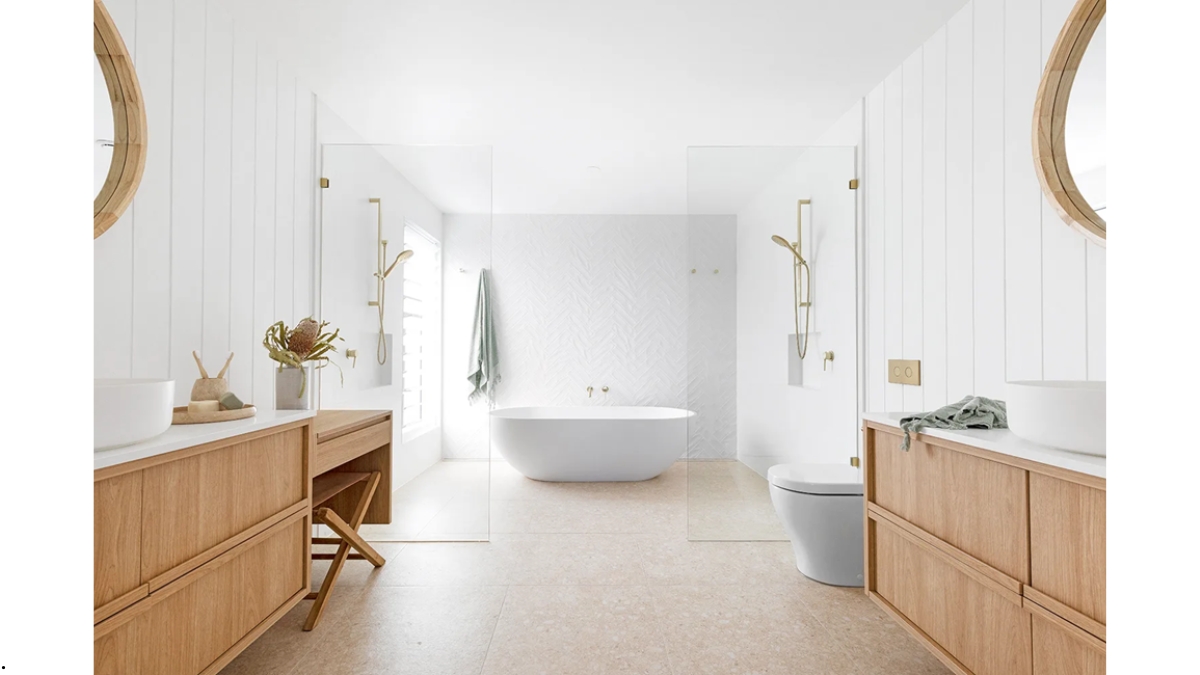
Choosing bathroom and wall tiles often feels more complicated than it should. With endless materials, sizes, colours, and finishes available, it is easy to feel unsure about what will actually work in your home long term. A choice that looks good in a showroom may not always suit your space, usage, or maintenance needs. The key is to balance appearance with practicality, without overthinking every decision. This guide breaks down the process into simple, clear considerations, helping you choose bathroom tiles and wall tiles that look right, perform well, and stay relevant for years.
Understand the Purpose of Each Space
Before selecting tiles, think about where they will be used. Bathrooms deal with water, steam, and frequent cleaning, so tiles here need to be strong and safe. Walls, on the other hand, give you more freedom to experiment with colours, textures, and finishes.
For bathrooms, always prioritise water resistance, slip safety, and easy maintenance. For wall tiles in living areas, bedrooms, or feature walls, focus more on visual appeal while still ensuring durability.
Choose the Right Tile Material
Tile material affects how long your tiles last and how easy they are to maintain.
● Ceramic tiles are a popular choice for walls because they are lightweight, affordable, and available in many designs. They work well in low-moisture areas and are easy to clean.
● Porcelain tiles are denser and more water-resistant, making them ideal for bathroom tiles and high moisture zones. They handle daily wear well and keep their finish for years.
● Vitrified tiles are known for their strength and low water absorption. They suit both bathrooms and wall applications, especially when you want a premium, seamless look.
● Natural stone and decorative tiles can be used carefully on walls for visual impact, but usually need more upkeep.
Pick the Right Tile Size
Tile size plays a big role in how spacious or compact a room feels.
● Large-format tiles create a clean and open appearance, especially in bathrooms. Fewer grout lines mean less cleaning and a more modern look.
● Medium-sized tiles work well for most wall applications and offer a balance between design and practicality.
● Smaller tiles are ideal for highlights, niches, or detailed wall sections. They add character but require more maintenance due to extra grout.
● For example, large bathroom walls can look elegant with slab-style tiles, while compact spaces benefit from lighter tones and fewer patterns.
Focus on Colours and Finishes
Colour choice can instantly change the mood of a room.
● Light colours like white, beige, and soft grey make bathrooms feel brighter and larger. They also pair easily with most fixtures.
● Darker colours such as charcoal or deep blue add drama and are great for accent wall tiles when balanced with good lighting.
● Matte finishes offer better slip resistance and a calm, natural feel. Glossy finishes reflect light and work well on walls to make spaces feel lively.
● Textures inspired by stone, wood, or marble add warmth without overwhelming the design. For example, tiles from premium brands like Simpolo Tiles & Bathware, like Marmorica, for a marble-inspired look, work well for elegant bathroom walls, while Basaltino suits modern, textured spaces.
Match Tiles With Fixtures and Decor
Tiles should complement your bathroom fittings and overall decor.
● Neutral tiles pair well with white basins, bathtubs, and chrome fixtures. If you choose patterned or bold tiles, keep the fixtures simple so the space does not feel crowded.
● For wall tiles in living or dining areas, consider furniture colours and lighting. Subtle textures blend easily, while bold patterns work best as feature walls.
● A terrazzo-style option like Venitto can be used sparingly on walls to add personality without overpowering the room.
Think About Maintenance Before Finalising
Maintenance is often overlooked, but it is very important.
Large tiles are easier to clean because they have fewer grout lines. Matte tiles hide water marks better than glossy ones. Avoid too many mosaic or highly textured tiles in areas that need frequent cleaning unless you are comfortable with extra upkeep.
Always use good-quality adhesive and grout, as this affects both appearance and durability over time.
Balance Budget With Long-Term Value
Tiles are a long-term investment. While it is tempting to choose cheaper options, premium tiles often last longer, resist stains better, and retain their appearance.
Instead of mixing too many styles, invest in good-quality bathroom tiles for wet areas and select simple yet stylish wall tiles for other spaces. This balance keeps costs under control while maintaining quality.
Create a Cohesive Look Across Your Home
Consistency is key to a well-designed home. You do not need the same tiles everywhere, but colours, textures, and finishes should flow naturally from one space to another.
Use similar tones across bathrooms, kitchens, and walls to create harmony. Highlight walls or niches with decorative tiles instead of changing tile styles in every room.
When chosen thoughtfully, tiles become a strong design element rather than just a surface covering.
Conclusion
Choosing the right tiles does not have to be overwhelming. By understanding your space, selecting the right material, focusing on size and colour, and thinking about maintenance, you can create interiors that look beautiful and work well every day. With carefully selected bathroom tiles and wall tiles, your home can reflect your style while staying practical and comfortable. Thoughtful choices today will ensure your spaces remain stylish, functional, and welcoming for years to come.




