
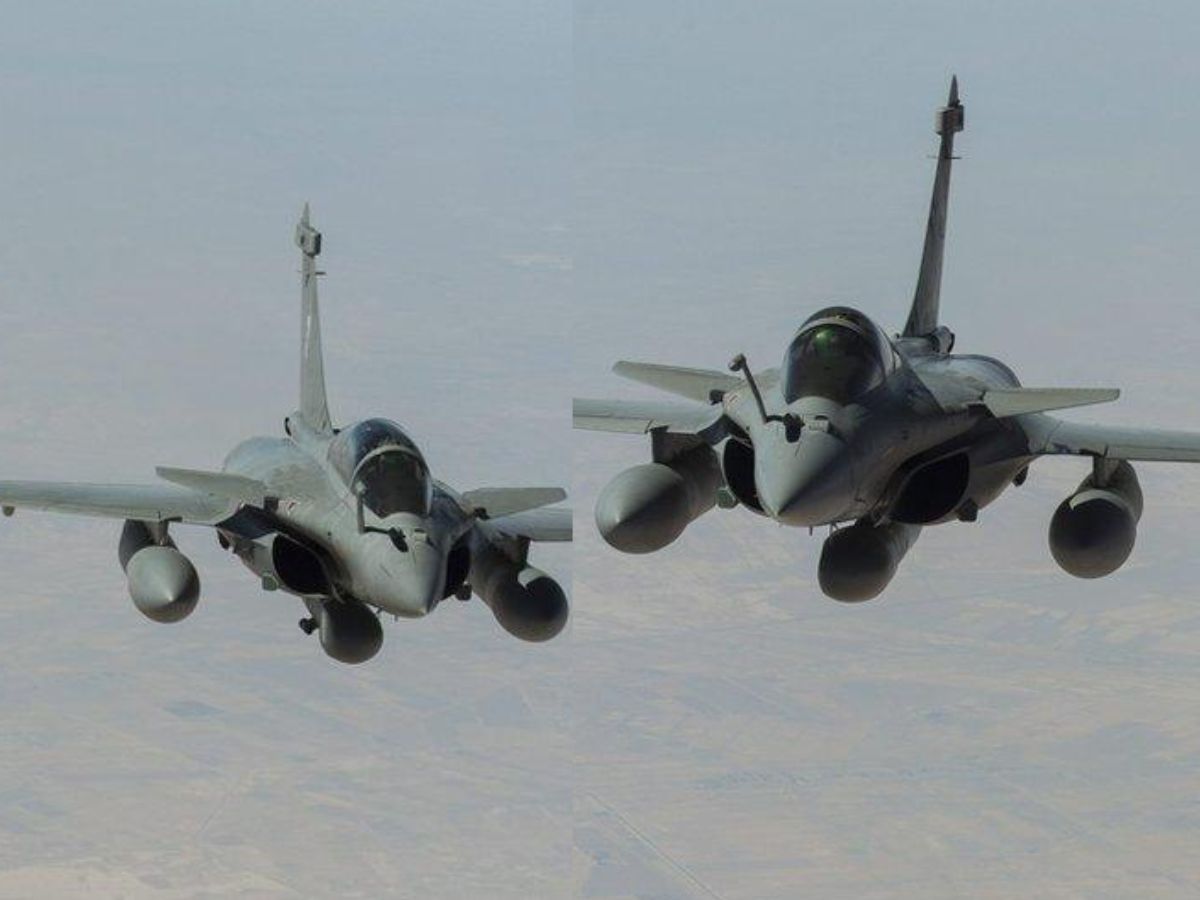
Europe stepped back into the Syrian conflict this week. France and the UK carried out joint and coordinated airstrikes against ISIS targets, signalling a renewed willingness to use military force beyond their borders. The move comes amid growing intelligence warnings that the terror group is regrouping and preparing external attacks.
The strikes underline a shift i Western security thinking. European governments now see ISIS not as a defeated force, but as a persistent threat exploiting instability in Syria.
Why Did France & UK Strike ISIS in Syria?
French and British officials said fresh intelligence showed ISIS cells becoming active again in eastern Syria. The group reportedly attempted to reorganise, recruit fighters, and plan attacks beyond the region.
Security agencies warned that ungoverned areas in Syria still offer space for ISIS to rebuild. With local forces stretched and global attention diverted by other conflicts, Western leaders feared delays would allow ISIS to regain strength. The strikes aimed to disrupt leadership hubs, weapons stockpiles, and planning centres before attacks could materialise.
What Targets Were Hit in the Airstrikes?
Military officials said the strikes focused on ISIS infrastructure rather than population areas. The targets included command centres, logistics sites, and hideouts used by senior operatives.
France described the operation as precise and limited. The UK echoed that assessment, stressing that the mission avoided civilian zones and followed strict engagement rules. Both governments framed the action as defensive rather than escalatory.
What Does This Mean for the Fight Against ISIS?
The operation shows that ISIS remains a live concern for Europe. While the group lost territorial control years ago, intelligence agencies believe it now functions as a decentralised network.
By striking now, France and the UK aim to prevent ISIS from transitioning from survival mode to active operations. Officials believe early military pressure reduces the risk of future attacks in Europe. The strikes also signal that counterterrorism missions remain separate from broader geopolitical disputes in the Middle East.
Is Syria Becoming a New Flashpoint Again?
Syria remains fragmented. Multiple foreign militaries operate in overlapping zones. Any new strike increases the risk of miscalculation. However, France and the UK coordinated closely with allies to avoid unintended escalation.
Officials stressed that the operation targeted ISIS alone and did not aim to influence Syria’s civil war or political future. Still, analysts warn that repeated foreign interventions could complicate regional stability.
How Europe’s Security Strategy is Changing?
The strikes reflect a broader shift in European defence posture. Governments now emphasise “forward defence,” meaning threats get addressed before reaching home soil.
France and the UK appear determined to prevent terrorism rather than react to it. The message is clear: dormant threats will not be ignored. This approach may shape future counterterrorism actions beyond Syria.
What Happens Next?
Officials said they will monitor ISIS activity closely. More strikes remain possible if intelligence shows renewed threats. Diplomatic efforts will continue alongside military pressure. But Europe has made its position clear. ISIS no longer gets the benefit of strategic neglect.




