
A long-standing cultural practice, marriage between first cousins has become a major political topic in the UK. Although it is legal in the UK, recent calls to ban the practice have thrust it into public and parliamentary debate.
The issue has touched on health concerns, cultural identity, integration and women’s rights, drawing attention from politicians and communities alike.
What is First-Cousin Marriage?
Marriage between first cousins is a form of consanguineous marriage where partners share a set of grandparents. It has been legal in the UK since laws were changed in the 16th century, unlike unions between parents and children or siblings, which remain prohibited.
Figures show that a significant portion of newborns in some communities come from biological relatives due to the practice being common in families with roots in regions such as South Asia, West Asia and North Africa.
What Did Keir Starmer Say in Parliament?
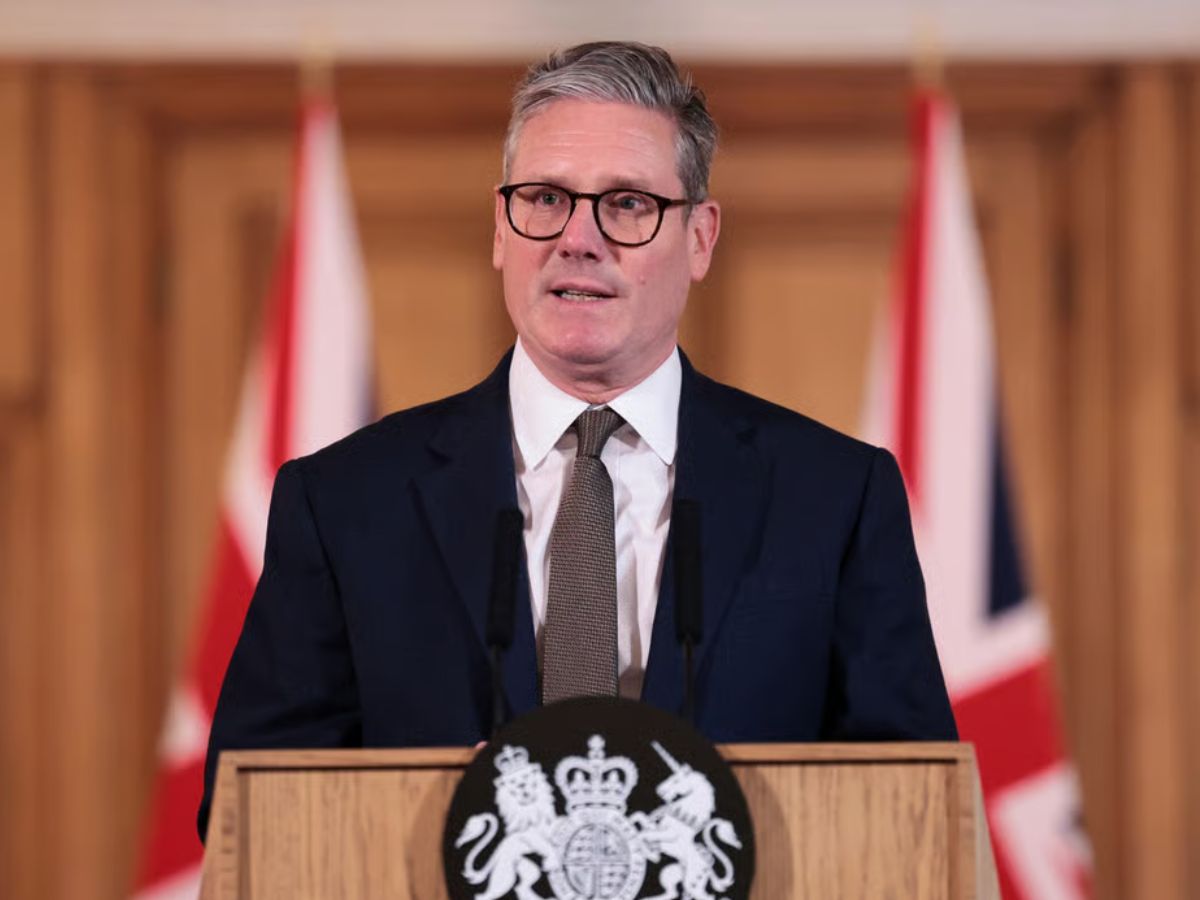
During a Prime Minister’s Questions exchange, PM Keir Starmer addressed the issue when challenged by Richard Holden. PM Starmer acknowledged the health concerns linked to consanguineous marriage, saying: “First‑cousin marriages are high risk and unsafe; we see the genetic defects it causes, the harm that it causes.”
However, he refused to support a parliamentary vote to ban the practice outright. Starmer stopped short of backing the proposed bill, signalling that the Labour Party would not whip its MPs to support such a ban at this stage.
What Triggered the First Cousin Debate?
The debate reignited when Conservative MP Richard Holden introduced the Marriages (Prohibited Degrees of Relationship) Bill. He aimed to make first‑cousin marriage illegal again in the UK. Currently, UK law bans marriage only between parents and siblings, not cousins.
Holden and other backers argue that cousin marriage carries higher genetic risks for children, and that the practice can isolate communities and limit women’s freedoms. They point to data showing much higher rates of cousin marriage among some groups, especially British Pakistanis in cities like Bradford.
Why First First-Cousin Marriage a Political Issue in the UK?
The topic is political because it touches on public health, integration, and cultural identity. Conservative MP Richard Holden introduced the Marriages (Prohibited Degrees of Relationship) Bill, aiming to ban first‑cousin marriages in the UK. Supporters argue the practice increases the risk of genetic disorders in children and raises questions about women’s rights within some communities.
Critics see the bill as targeting British Pakistanis specifically, which makes it a sensitive cultural and political matter. The debate also intersects with immigration, social cohesion, and community representation, making it highly visible in national politics.
The debate has split opinion in Parliament. Supporters frame it as protecting children and women, while opponents argue that government intervention in private cultural practices could be discriminatory. MPs like Iqbal Mohamed warn that education and genetic counselling are better tools than legislation.
Public opinion is mixed. While some support a ban, many within British Pakistani communities see cousin marriage as a cultural right, leading to clashes over law, health, and cultural sensitivity.
Why does It Affect British Pakistani Communities?
Cousin marriage remains more common in parts of the British Pakistani community than in the wider UK population. Studies have shown that a significant percentage of individuals from these communities marry close relatives. Some older research suggested rates well above national averages, although recent figures indicate a decline over time.
For some families, marrying a cousin is tied to cultural traditions, family cohesion, and economic support systems, often reflecting practices brought from rural or traditional backgrounds abroad. Critics and supporters alike note that it is less common among younger and more urbanised generations.
First-Cousin Marriage: Health Concerns
A key driver of the political debate is health. Medical researchers, including those linked to the Born in Bradford study, show that while most children of relatives are healthy, the risk of certain recessive genetic disorders, like cystic fibrosis or sickle cell disease, is elevated when parents are closely related.
This has made health organisations and some politicians argue that the practice should be re‑examined. But others warn that focusing on health without sensitivity can stigmatise communities and deter open discussion about genetic risks and solutions like counselling.
First-Cousin Marriage: Political Controversy
The debate has split opinion in Parliament. Supporters frame it as protecting children and women, while opponents argue that government intervention in private cultural practices could be discriminatory. MPs like Iqbal Mohamed warn that education and genetic counselling are better tools than legislation.
Public opinion is mixed. While some support a ban, many within British Pakistani communities see cousin marriage as a cultural right, leading to clashes over law, health, and cultural sensitivity.
First-Cousins Marriage: Parliamentary Responses & Cultural Sensitivity
The political response has been mixed. Some MPs, like Iqbal Mohamed, have openly opposed a ban, describing it as unenforceable and arguing it would stigmatise communities rather than help them. He and others have said a better approach would be genetic counselling and education rather than outright prohibition.
Other voices, including some in the NHS, have warned that banning the practice could further alienate communities and harm efforts to promote health awareness.




