
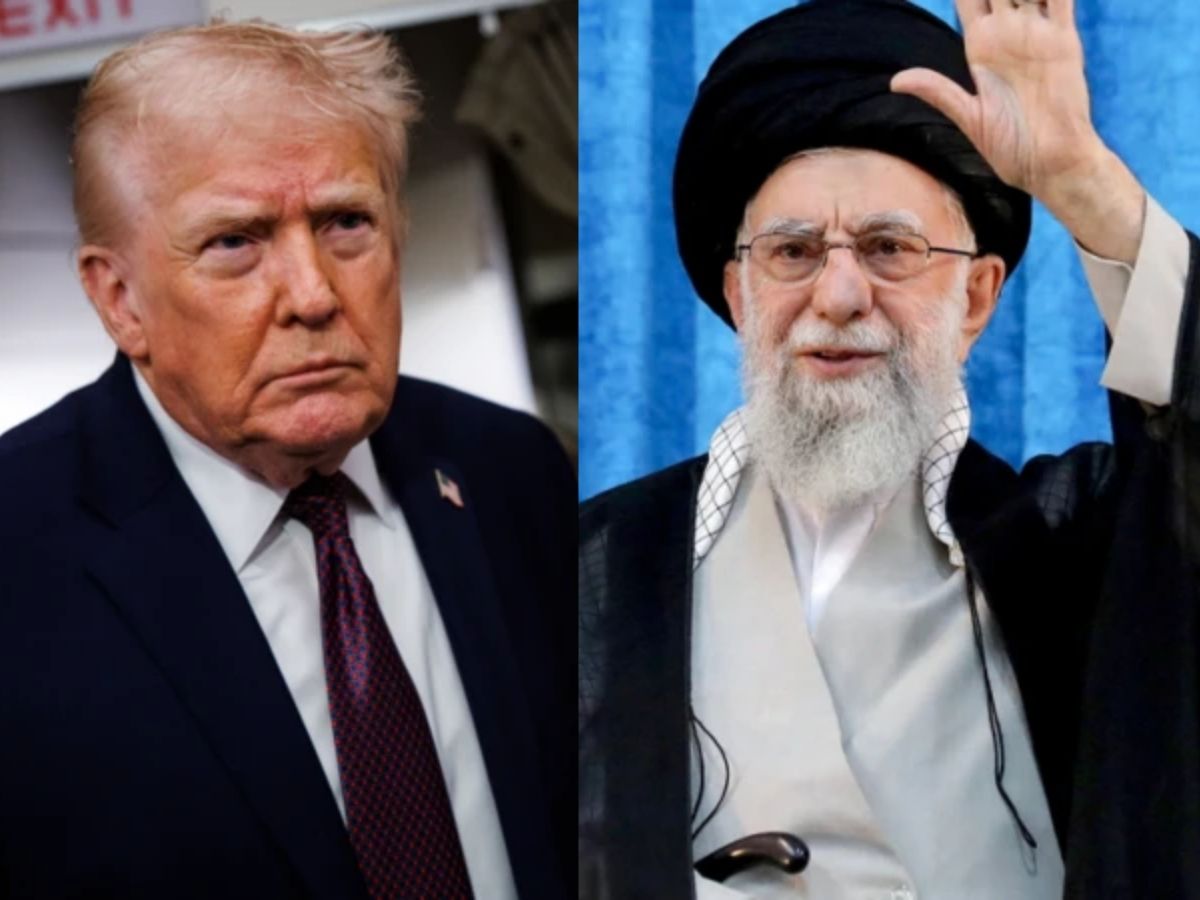
The US has issued an urgent warning asking citizens to leave Iran immediately as protests spread across the country and the security situation worsens. The advisory comes amid rising violence, mass arrests, internet shutdowns and growing fears of a wider confrontation between the US and Tehran. The warning has also sparked fresh speculation over whether President Donald Trump could take direct action against Iran’s leadership.
Why Did the US Issue the ‘Leave Iran Now’ Advisory?
The US Virtual Embassy in Iran warned that protests across the country are escalating and could turn violent. Authorities have increased security deployments, leading to road closures, public transport disruptions and restricted access to communication networks.
“Protests across Iran are escalating and may turn violent, resulting in arrests and injuries. Increased security measures, road closures, public transportation disruptions, and internet blockages are ongoing,” the advisory said.
The embassy stressed that conditions could change rapidly and warned Americans not to expect help from the US government if the situation deteriorates. “Leave Iran now. Have a plan for departing Iran that does not rely on U.S. government help,” the alert added.
What US Citizens Should Do If They Cannot Leave?
For those unable to exit immediately, the embassy advised people to stay indoors and take precautions. “If you cannot leave, find a secure location within your residence or another safe building. Have a supply of food, water, medications, and other essential items,” it said. The advisory also urged citizens to avoid demonstrations, keep a low profile, and stay alert as the situation remains volatile.
Trump to Strike Iran?
The travel warning has intensified questions over whether the US is preparing for a tougher stance against Tehran. White House officials have said President Donald Trump continues to keep “all options on the table”, including military action, as unrest grows inside Iran.
Addressing the situation, the White House said airstrikes remain among the possible options for the Commander-in-Chief, while stressing that diplomacy remains Trump’s preferred first step.
The timing of the advisory, combined with sharp rhetoric from Washington, has raised concerns that US–Iran tensions could escalate quickly if the violence continues or American interests are threatened.
Flights Cancelled, Internet Shut Down Across Iran
The advisory highlighted major travel disruptions, noting that several airlines have limited or cancelled flights to and from Iran. “Airlines continue to limit or cancel flights to and from Iran, with several suspending service until Friday, January 16,” it said.
The Iranian government has also restricted access to mobile networks, landlines and the national internet. These shutdowns have left residents and foreigners struggling to communicate, access news or arrange travel. US citizens were advised to plan alternative communication methods and, if safe, consider leaving Iran by land.
“U.S. citizens should expect continued internet outages, plan alternative means of communication, and, if safe to do so, consider departing Iran by land to Armenia or Turkiye,” the advisory said.
High Risk for Americans & Dual Nationals
The US warned that American citizens face serious risks in Iran, including questioning, arrest and detention. The advisory noted that Iranian authorities do not recognise dual nationality.
“U.S.-Iranian dual nationals must exit Iran on Iranian passports. The Iranian government does not recognize dual nationality and will treat U.S.-Iranian dual nationals solely as Iranian citizens,” it said.
The alert also warned that simply showing a US passport or demonstrating connections to the United States could be enough to trigger detention.
Deaths, Arrests and Growing Unrest
The advisory comes as protests continue across multiple provinces amid soaring inflation, economic hardship and anger over governance. Human rights groups report that at least 544 people have been killed, while more than 10,681 individuals have been arrested and transferred to prisons during the unrest.
Despite heavy security measures and communication blackouts, demonstrations and counter-demonstrations continue to erupt in several regions.




