
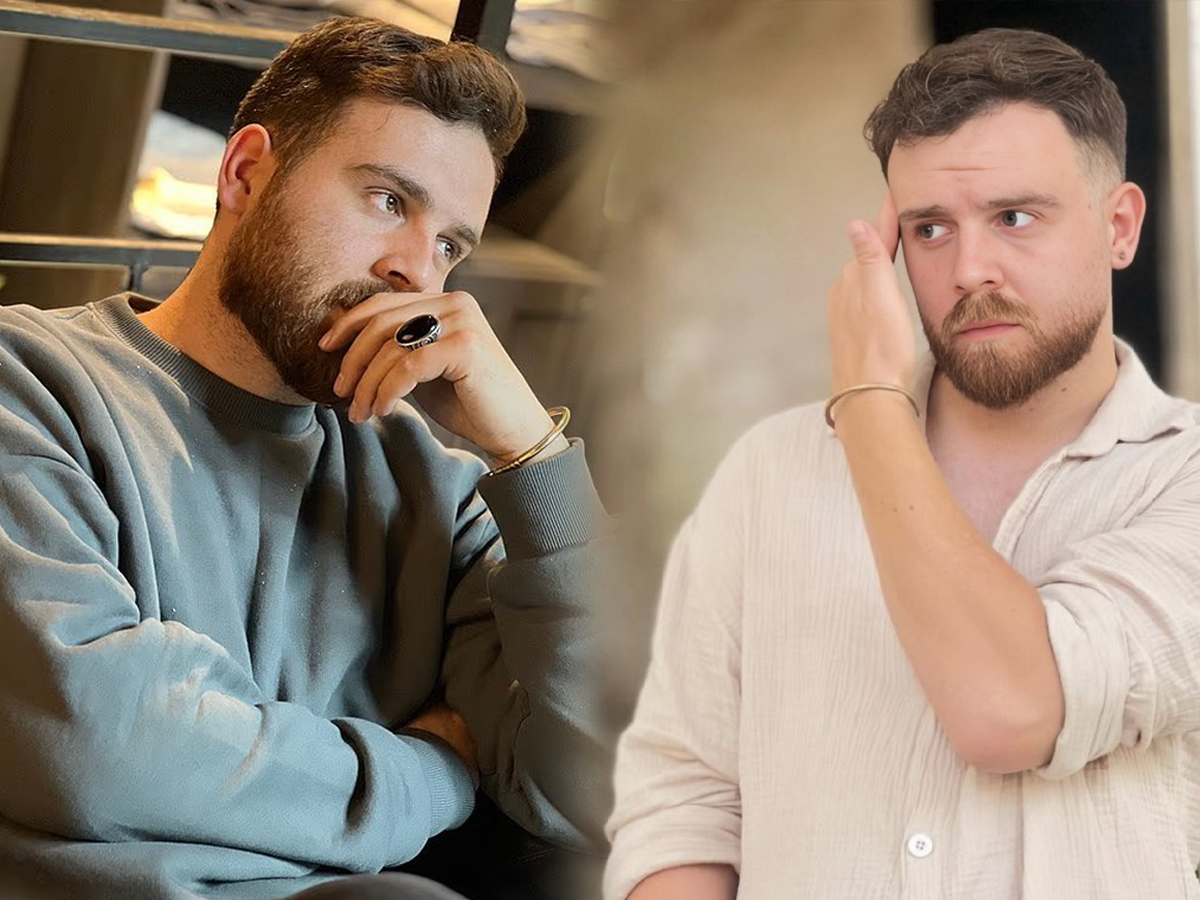
As Iran prepares to hang Erfan Soltani, a 26‑year‑old man arrested during anti‑government protests, international voices are rising in protest, and social media campaigns are trending with the hashtag “Save Erfan Soltani.” Soltani could be executed as early as Wednesday, rights groups say, triggering widespread alarm over human rights and justice standards in the country.
Soltani was reportedly detained at his home in the city of Fardis, near Iran’s capital, after joining nationwide demonstrations that began over economic hardship and have since evolved into a broader anti‑regime movement.
Who Is Erfan Soltani and Why Is He Facing Execution?
Erfan Soltani is a 26‑year‑old resident of Fardis who participated in protests against Iran’s political and economic conditions. His arrest occurred on January 8 during demonstrations that have erupted across the nation and drawn massive crowds demanding change.
Human rights organisations say Soltani did not receive access to legal counsel or a fair trial before his death sentence was issued, a process described by critics as “rapid and opaque.” Soltani’s family has reportedly been kept in the dark for days following his arrest and was informed about his execution only shortly before it was to be carried out.
Officials have reportedly allowed only 10 minutes for a final visit between Soltani and his family before the execution, a detail that has intensified international concern.
Protests Continue Despite Crackdown
The protests, which started over surging inflation and economic struggles, quickly expanded into nationwide demonstrations calling for political reform and an end to the Islamic Republic’s 47‑year rule. Demonstrators have faced a brutal crackdown by Iranian security forces, with human rights groups reporting thousands of deaths and tens of thousands of arrests.
Iran’s authorities have framed the unrest as a fight against chaos, labelling protesters as “rioters” and “agitators,” and have pursued harsh penalties, including capital punishment for those they deem guilty of serious offenses.
Social Media Campaigns and International Support
The news of Soltani’s imminent execution has sparked global viral campaigns, with activists and online users widely sharing #SaveErfanSoltani across platforms. Celebrities and public figures have also drawn attention to his case, urging world leaders and rights organisations to step in to halt the execution and review Iran’s treatment of protesters.
The Islamic Republic plans to execute #ErfanSoltani this Wednesday. An innocent protester arrested during Iran’s 2026 uprising, his only “crime” was demanding freedom for Iran.
This is murder, not justice.
Be his voice.
Save Erfan Soltani.#DigitalBlackoutlran #IranRevelution pic.twitter.com/s4T2ftOsdO— Gandom (@MothrOfDrgns) January 12, 2026
Supporters of Soltani argue that his “only crime was calling for freedom” in a nation where political dissent has been met with severe retaliation.
Trump Warns Iran of “Very Strong Action”
In response to the situation, U.S. President Donald Trump issued a stern warning to the Iranian regime, saying the United States would take “very strong action” if Tehran goes through with the execution of protesters. Asked about Iran’s actions in an interview, Trump said:
“If they want to have protests, that’s one thing. When they start killing thousands of people — now you’re telling me about hanging — we’ll see how that works out for them. It’s not gonna work out well.”
Trump also took to social media to urge Iranians to keep protesting, telling them “help is on its way,” though he did not clarify what form that assistance might take.
International Pressure and Diplomatic Tensions
Trump’s comments are part of a broader international response. The U.S. has cancelled diplomatic meetings with Iranian officials as tensions rise and the crackdown intensifies. Western nations, including members of the EU and other governments, have condemned the violent suppression of protesters and called for respect for human rights.
Iran, in turn, has accused foreign powers of instigating unrest and violating its sovereignty, adding to a deepening diplomatic standoff.
What This Means for Iran’s Future
Soltani’s case could mark a historic and somber moment in the 2026 protest movement as possibly the first execution linked directly to mass demonstrations. His potential hanging has become a symbol of the high stakes faced by ordinary Iranians who dared to speak out.
As social media campaigns continue and world leaders weigh in, the global spotlight remains fixed on Iran’s handling of dissent, justice, and human rights — with many watching closely to see whether international pressure will influence events in the coming hours.




