
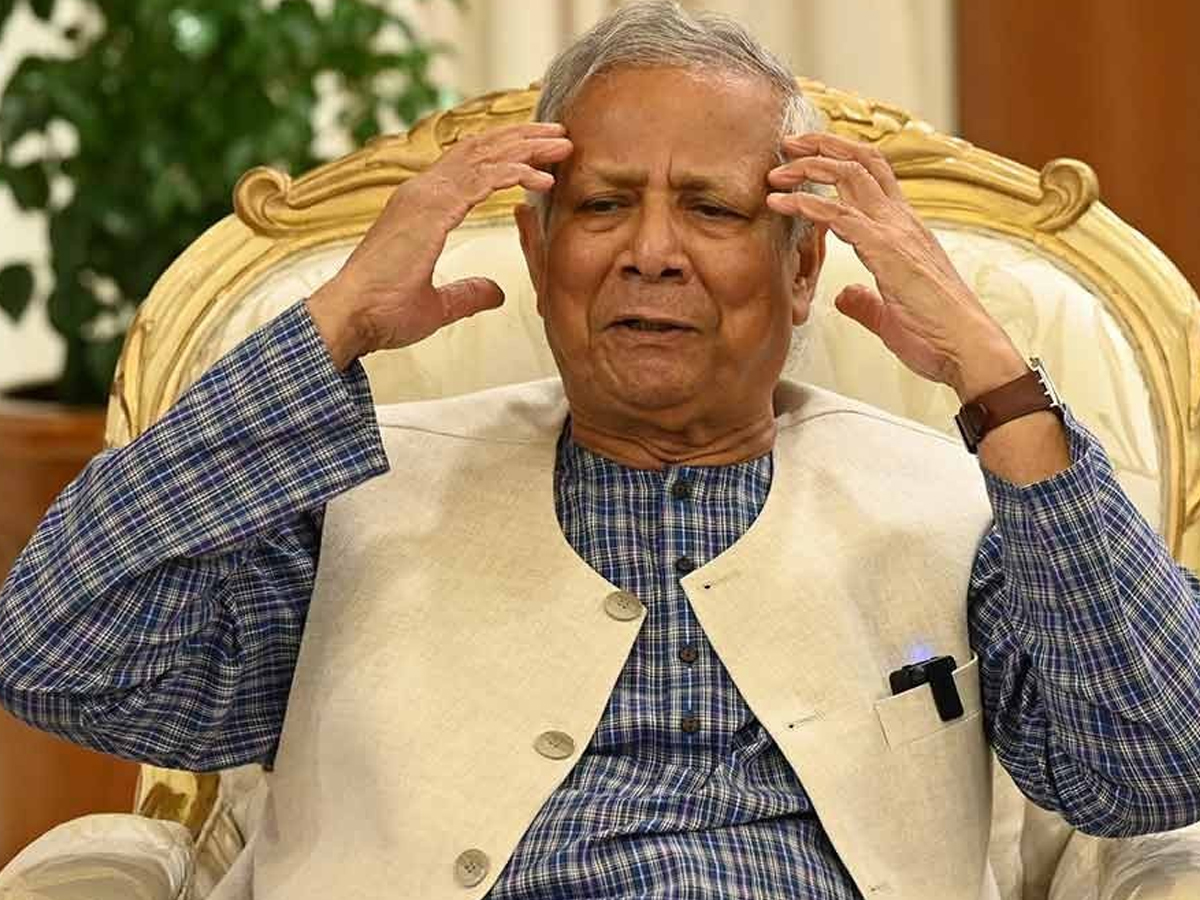
Bangladesh’s interim government has released a detailed breakdown of crimes involving minority communities in 2025, aiming to counter misinformation and present what it calls a “fact-based picture” of law-and-order conditions across the country. The data, shared by Chief Adviser Muhammad Yunus, shows that while hundreds of cases were reported, most incidents were not driven by religious hostility but by broader criminal disputes.
According to official police records compiled over a year, authorities registered 645 incidents involving minority communities between January and December 2025. The interim administration said the figures were drawn from verified First Information Reports (FIRs), General Diaries, charge sheets, and investigation updates nationwide.
The government said it released the data to reinforce transparency and clarify how crimes were classified, especially amid domestic criticism and international concern over minority safety.
How Many Minority-Related Incidents Were Communal in Nature?
The report draws a clear line between crimes motivated by communal hatred and those arising from general criminal activity.
“The findings show that 71 incidents were identified as having communal elements, while 574 incidents were assessed as non-communal in nature,” the Chief Adviser said in a statement posted on X.
It explained that cases marked as communal mainly involved attacks on religious symbols and places of worship.
“Communal incidents primarily involved vandalism or desecration of religious sites and idols, along with a small number of other offences. In contrast, the majority of incidents affecting minority individuals or properties arose from criminal activity unrelated to religion, including neighbourhood disputes, land conflicts, political rivalries, theft, sexual violence, and cases linked to prior personal enmity,” it said.
Officials stressed that this distinction matters to avoid exaggeration and ensure targeted policing.
What Action Did Police Take in These Cases?
The interim government highlighted what it described as sustained law-enforcement action throughout the year.
“The report also documents significant police engagement. Hundreds of cases were formally registered, arrests were made in many incidents, and investigations are ongoing in others. This reflects an institutional commitment to addressing crime and maintaining public order, particularly in sensitive cases involving religious sites or communal concerns,” the statement said.
Authorities said police responses included arrests, charge sheets, and continued investigations, especially in incidents involving religious sensitivities.
Why the Government Says Classification Is Important
Officials said mislabeling crimes as communal without evidence can inflame tensions and harm social harmony.
“This distinction is important. While all crimes are serious and demand accountability, the data demonstrates that most incidents involving minority victims were not driven by communal hostility, but by broader criminal and social factors that affect citizens across religious and ethnic lines. Accurate classification helps prevent misinformation and supports more effective law-enforcement responses.”
The government added that transparency was the central aim of publishing the figures.
Bangladesh Admits Ongoing Law-and-Order Challenges
While defending its data, the interim administration also acknowledged that public safety remains a serious concern.
“Bangladesh is a country of Muslims, Hindus, Buddhists, Christians, and people of other beliefs, all of whom are citizens with equal rights. Ensuring safety and justice for every community is not only a constitutional obligation but a moral one. Protecting places of worship, preventing incitement, responding quickly to criminal acts, and distinguishing facts from rumour are essential to preserving social harmony,” it said.
The government underlined that the report does not deny existing problems.
“This report is presented in the spirit of transparency and accountability. It does not deny challenges, nor does it claim perfection,” the statement said.
India Raises Concerns Over Minority Safety in Bangladesh
India has repeatedly expressed concern over attacks on minorities in Bangladesh. In December, India’s external affairs ministry condemned the killing of a Hindu youth in Mymensingh and demanded justice.
Indian officials have cited independent figures suggesting that more than 2,900 incidents involving minorities occurred during the interim government’s tenure, warning that such violence “cannot be brushed aside as mere media exaggeration.”
The issue remains diplomatically sensitive as Bangladesh’s interim leadership seeks to balance internal stability with international scrutiny.




