
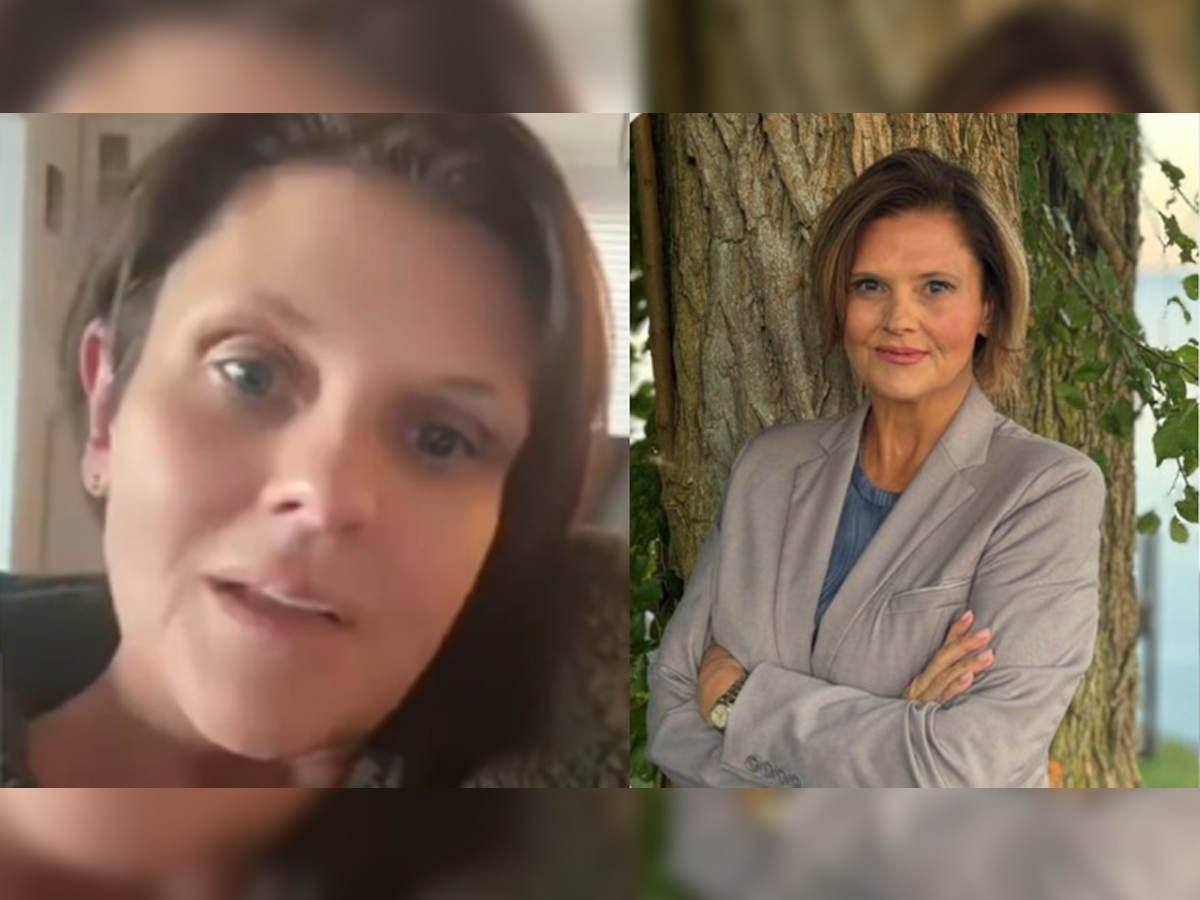
An Ohio-based registered nurse has come under intense public scrutiny after a social media video she posted sparked outrage across platforms and raised serious questions about professional conduct in healthcare.
Chanda Petrey-Czaruk, a former healthcare executive, found herself at the centre of controversy after a clip surfaced showing her making sarcastic and graphic remarks about White House Press Secretary Karoline Leavitt. The video, which spread rapidly online, triggered criticism from both political commentators and medical professionals, many of whom expressed concern that such language came from someone licensed to care for patients.
The backlash escalated quickly. Viewers questioned whether politically charged comments of this nature could affect trust in medical professionals. Several users called for formal action, including complaints to licensing authorities, arguing that the remarks crossed ethical boundaries expected from someone in the healthcare field.
Who Is Chanda Petrey-Czaruk?
Chanda Petrey-Czaruk is a registered nurse based in Ohio who previously held a senior leadership role in the healthcare industry. She served as vice president at First Choice Home Health, a position that placed her in both administrative and patient-care leadership circles.
According to her professional profile, Petrey-Czaruk no longer holds that role. She updated her LinkedIn page to reflect that she has not worked as vice president at First Choice Home Health since November 2025. Her social media profiles indicate that she currently works with a healthcare consulting firm.
Her experience and credentials made the viral video particularly controversial, as critics argued that licensed medical professionals are held to a higher standard of public conduct due to their role in patient care.
What Did the Viral Video Say?
The controversy erupted after Petrey-Czaruk posted a video making remarks about Karoline Leavitt that many described as disturbing and inappropriate. In the clip, she used sarcastic and graphic language while wishing traumatic childbirth injuries on the White House press secretary.
Meet Chanda Petrey-Czaruk, the Vice President of @HomeFirstChoice in Ohio. She posted a video wishing for Press Secretary Karoline Leavitt to experience traumatic injuries during childbirth.
This woman is in charge of a home health care company and is a registered nurse in Ohio.… pic.twitter.com/Epv7mUxJnh
— Libs of TikTok (@libsoftiktok) January 20, 2026
The video was widely shared, including by high-profile social media accounts, which accelerated its reach and intensified public reaction. Critics argued that such statements, regardless of political disagreement, were unacceptable coming from a nurse.
Employer Responds After Backlash
Following the viral spread of the video, First Choice Home Health issued a public clarification distancing itself from Petrey-Czaruk.
“We are aware of a social media post made by a former employee that has led to questions and external comments,” the company said. “Our organization no longer employs this individual and does not represent us in any capacity. The statements made on her personal social media account do not reflect our organization’s values or practices.”
The company did not comment further on the controversy.
Calls to Review Nursing License Grow
As criticism mounted, some social media users urged authorities to report Petrey-Czaruk to the Ohio Board of Nursing, calling for a review of her license. These calls stemmed from concerns that politically driven rhetoric from healthcare professionals could undermine public trust in medical care.
While no official action has been announced, the incident has reignited debate about how much responsibility medical professionals carry for their conduct outside the workplace.
The episode highlights how quickly online speech can impact professional credibility, especially in fields like healthcare, where public trust remains essential. For many critics, the issue extends beyond politics to the broader question of ethics, accountability, and professionalism in medicine.




