
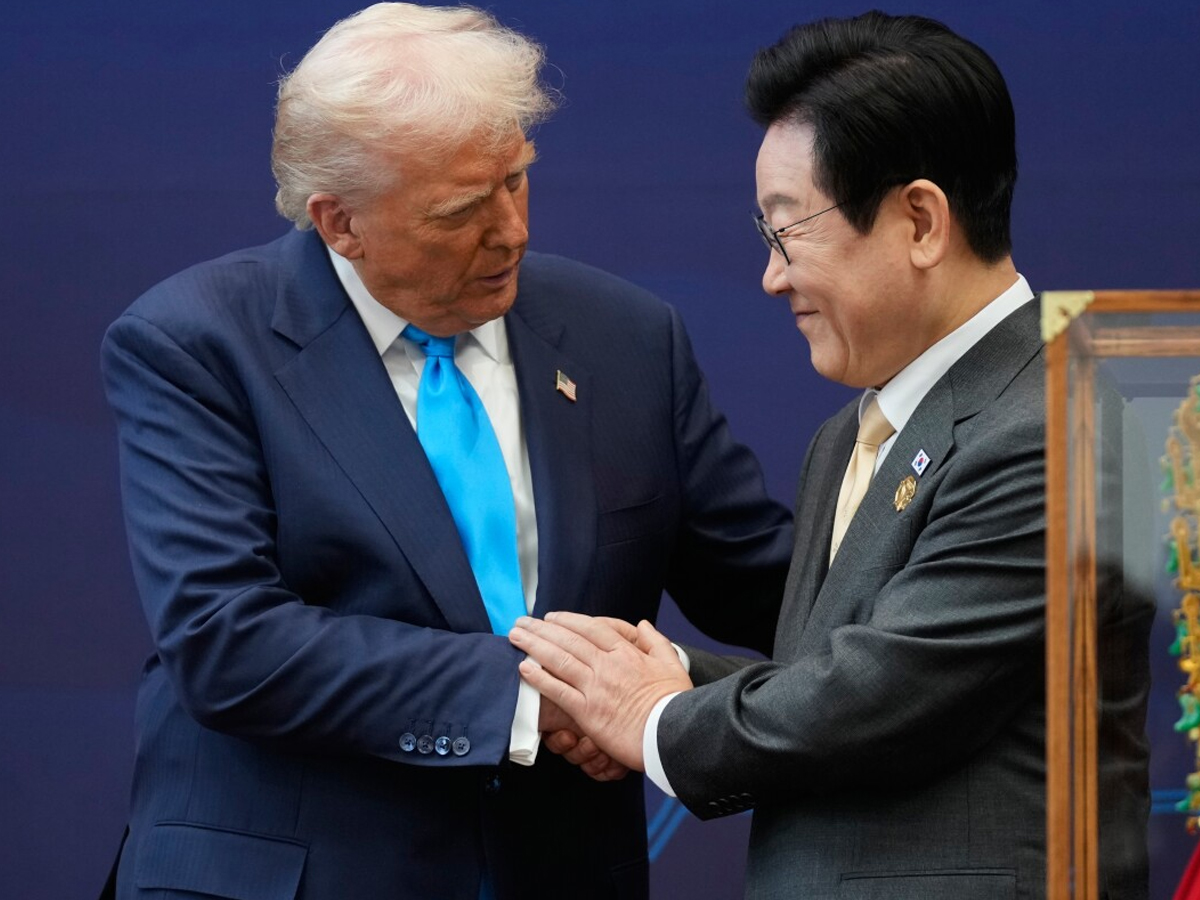
The United States has announced a sharp increase in tariffs on South Korean imports, escalating pressure on its Asian ally over a trade agreement that has not yet been fully approved. President Donald Trump said the tariff rate will rise to 25% from the previous 15% on a broad range of products, including automobiles, lumber, and pharmaceuticals.
Trump announced on social media, accusing South Korea’s legislature of failing to enact a deal both nations reached in 2025. “South Korea’s Legislature is not living up to its Deal with the United States,” he wrote, underscoring his frustration with the stalled process.
Trump Tariff on South Korea: What Products Are Affected by the New Tariffs?
The tariff hike directly affects key South Korean export sectors:
- Automobiles and auto parts
- Lumber and wood products
- Pharmaceuticals
- All other reciprocal imports from South Korea
Tariffs are taxes paid by companies importing goods, and this increase means that US firms buying these products will face heavier duties, making imports more expensive for American businesses and consumers.
Trump Tariff on South Korea: Background of the Trade Deal and Delay
Washington and Seoul struck a broad trade and investment deal in October 2025, which included a commitment from South Korea to invest $350 billion in the United States and a reduction of tariffs to 15% as part of reciprocal concessions.
Under the agreement, the lower tariff rates were contingent on South Korea’s National Assembly approving the deal, a process that has taken longer than expected. Seoul insists it has yet to receive formal notification of the tariff increase and faces internal debate over how to proceed with legislation.
Trade officials say South Korea’s Industry Minister Kim Jung-kwan will soon visit Washington to meet US Commerce Secretary Howard Lutnick to discuss the issue, signalling both sides may seek a diplomatic solution.
Trump Tariff on South Korea: Markets React as Exporters Feel the Impact
Major South Korean companies saw immediate market impacts after the tariff announcement:
- Hyundai Motor shares dropped sharply, reflecting investor concern over future earnings.
- Other exporters, especially in pharmaceuticals and timber, also saw stock prices fall as markets digested the news.
Investors and analysts worry that renewed tariff pressure may dent South Korea’s export competitiveness in key sectors, especially automotive products that form a large portion of its trade with the US.
Trump Tariff on South Korea: Seoul’s Government Seeks Dialogue With Washington
South Korean officials emphasised they had not been officially notified in advance of the tariff hike and stressed the need for urgent discussions to resolve the issue.
A senior official noted that the government is looking into the tariff decision and is preparing dialogue with US counterparts, reflecting a focus on diplomatic channels to address the dispute.
Trade experts suggest that a swift meeting between South Korean and US trade officials could clarify misunderstandings and potentially preserve the benefits of the earlier trade pact.
Trump Tariff on South Korea: Tariff Policy as a Foreign Policy Tool
President Trump’s move aligns with his broader approach of using tariffs as leverage in trade negotiations and foreign policy. In recent weeks, he has threatened similar actions against Canada, Europe, and other trading partners to advance broader geopolitical aims.
Critics argue that unpredictable tariff shifts can hurt global trade confidence and disrupt supply chains, especially in industries reliant on international integration. Supporters say they protect domestic industries and force partners to uphold agreements.
What’s Next for US-South Korea Trade Relations?
With tariffs now raised to 25%, the focus shifts to diplomatic engagement and potential legislative action in South Korea. If Seoul’s parliament approves the trade deal, the US could reconsider the tariff stance. However, continued delay may prolong trade uncertainty.
Both governments are expected to adjust strategies as negotiations unfold, with economic and political stakes high on both sides of the Pacific.




