
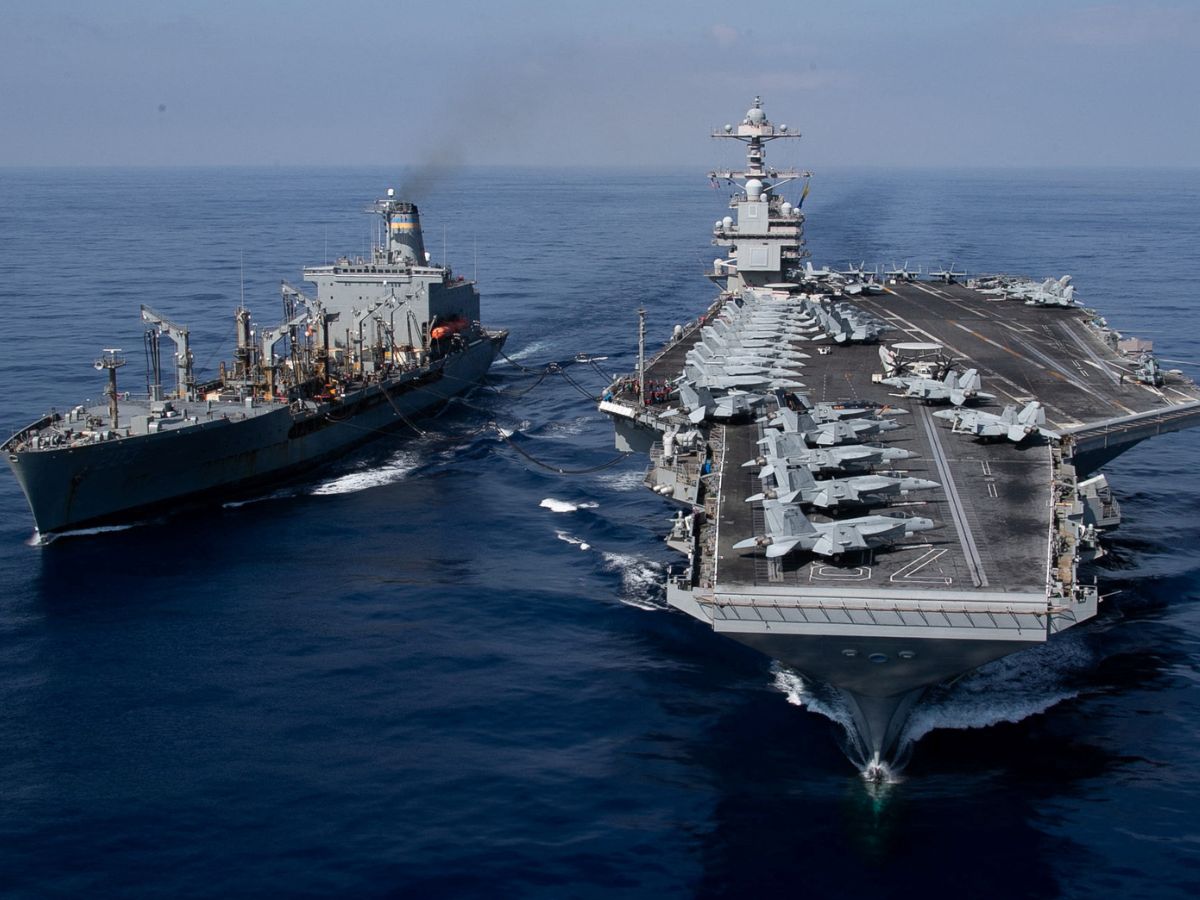
The US and Iran are once again at the centre of rising global tension after President Donald Trump made a surprising claim that Tehran wants to negotiate, even as American warships move closer to Iranian waters.
The mixed signals, military pressure paired with talk of diplomacy, have triggered confusion, speculation, and concern across West Asia. With protests raging inside Iran and US reinforcing its naval presence, Trump’s latest remarks raise a key question, and that is, Is the US preparing for conflict, or using force as leverage to restart talks?
‘They Want to Talk, Not Strike’
US President Donald Trump has once again shifted the tone of US’s Iran policy. Even as American warships move closer to West Asia, Trump insists that diplomacy, not conflict, remains his preferred path.
His latest remarks suggest that Tehran has reached out to the US multiple times, signalling an interest in talks despite rising tensions and a heavy US military presence near Iran.
The statement has added a new layer of uncertainty to an already volatile situation. While the show of force points to pressure tactics, Trump’s words indicate that a negotiated outcome is still on the table.
Trump Says Diplomacy Still Possible Despite Military Build-Up
Speaking in an Oval Office interview, Trump claimed Iran is eager to strike a deal with Washington. “We have a big armada next to Iran. Bigger than Venezuela,” Trump said. “They want to make a deal. I know so. They called on numerous occasions. They want to talk.”
He acknowledged that US warships have been positioned near Iran but stopped short of confirming any immediate strike plans. Trump described the situation as “in flux,” suggesting that his administration is weighing options carefully rather than rushing into military action.
A US official echoed this stance, saying, “About Iran, we are open for business. If they want to contact us, and they know what the terms are, then we’re going to have the conversation.”
US Warships Near Iran: What’s Happening
The United States has deployed a significant naval force to the region, including an aircraft carrier strike group and multiple guided-missile destroyers. The move strengthens America’s military posture and gives Washington a rapid-response capability if tensions escalate.
The deployment follows weeks of unrest in Iran and warnings from Washington over human rights violations. While the Pentagon has framed the move as defensive, the timing has fuelled speculation about possible military action.
Why the Naval Deployment Matters?
Sending warships close to Iran serves as a powerful signal. It boosts deterrence and puts pressure on Tehran without firing a single shot. At the same time, it raises the stakes.
Any miscalculation could quickly spiral into a broader regional conflict involving US allies and Iran-backed groups. For Trump, the naval build-up also strengthens his negotiating position, allowing him to push for talks from a position of strength.
Iran’s Response and Regional Reaction
Iranian officials have warned that any attack would trigger serious consequences. Tehran continues to project defiance while accusing the US of intimidation.
Meanwhile, Iran-aligned groups in the region have issued threats, raising fears that tensions could spread beyond Iran’s borders. Regional allies are watching closely, concerned that even limited conflict could disrupt energy supplies and destabilise West Asia.
Diplomacy or Deterrence? Trump’s Dual Approach
Trump’s Iran strategy reflects a familiar pattern: pressure combined with outreach. He has repeatedly issued tough warnings, only to later signal openness to talks. Supporters say this approach forces rivals to negotiate.
Critics argue it creates confusion and increases risk. For now, Trump appears to be using military muscle to keep Iran at the table rather than to trigger a strike.
Protests and Human Rights in Iran
The standoff unfolds amid Iran’s harsh crackdown on protests that erupted over economic collapse and political frustration. Rights groups say thousands have been killed, with internet shutdowns and mass arrests reported across the country.
These developments have intensified international scrutiny and added urgency to US decision-making. Whether diplomacy can succeed amid such turmoil remains uncertain, but Trump insists the door to talks is still open.




