
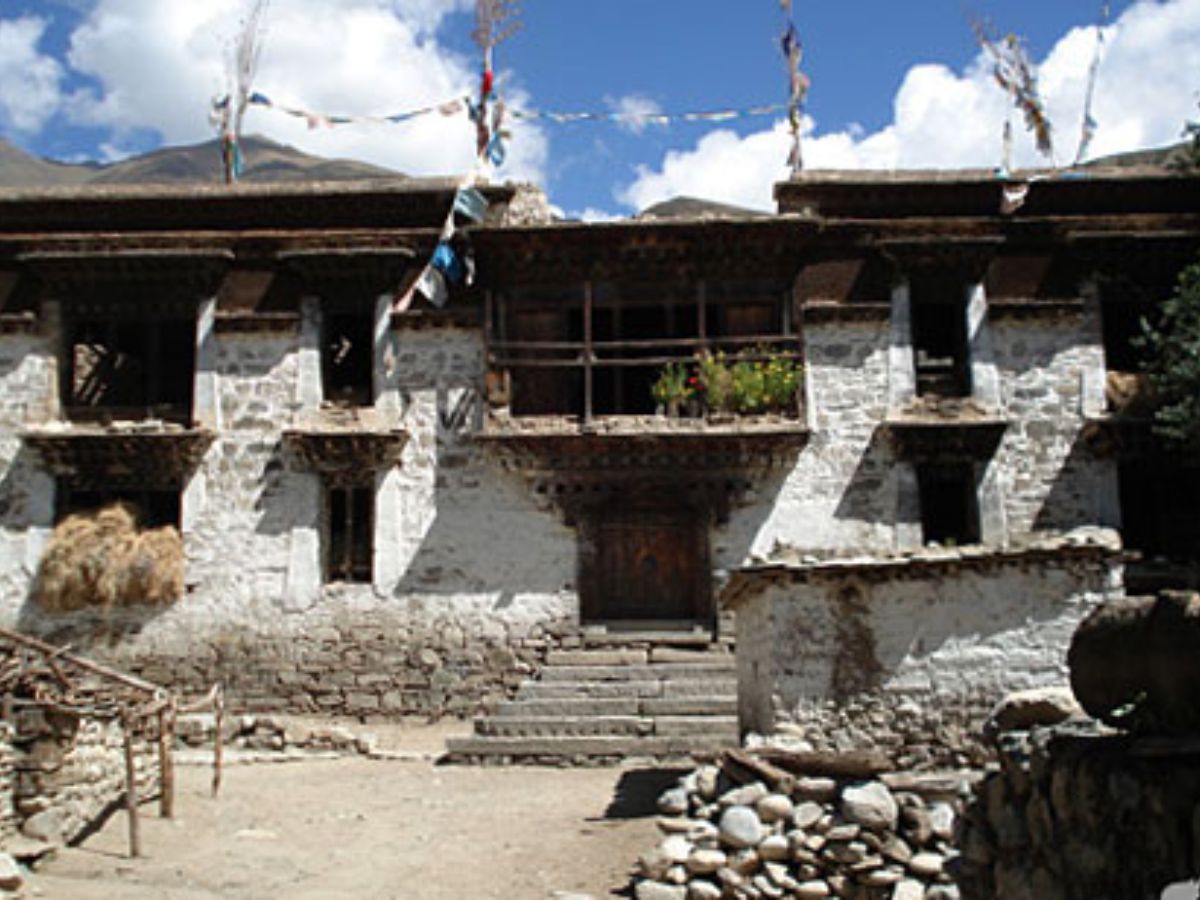
The installation of CCTV cameras around the Dalai Lama’s birthplace is not about public safety—it is about surveillance, control, and the symbolic erasure of Tibetan identity.
The Dalai Lama was born in Takster village, Amdo (now part of Qinghai province). Once a humble hamlet, it has become a site of heavy monitoring by the Chinese Communist Party (CCP). Reports and eyewitness accounts describe CCTV cameras positioned around the house and village, part of a broader strategy to ensure that no spontaneous gatherings, pilgrimages, or acts of devotion occur without the state’s eye.
This is not incidental. The CCP has long viewed the Dalai Lama as a political threat, branding him a “separatist.” His birthplace, therefore, is not merely a village—it is a symbolic locus of Tibetan identity and resistance. By installing cameras, the state seeks to neutralize that symbolism, transforming a site of reverence into one of intimidation.
Why the cameras? For Tibetans, visiting the Dalai Lama’s birthplace carries spiritual weight. Surveillance discourages such visits, deterring collective acts of faith that could be construed as political dissent.
The CCP fears that gatherings around sacred sites could evolve into protests. Cameras allow authorities to monitor and suppress even small-scale expressions of solidarity. By asserting technological control over a sacred space, the CCP signals that Tibetan spirituality is subordinate to state power. The cameras are less about crime prevention than about psychological domination.
Across Tibet and Xinjiang, surveillance is part of a vast digital security network. Takster’s monitoring fits into this larger architecture of predictive policing and ethnic control.
The cameras in Takster are not an isolated measure. They echo the ubiquitous surveillance in Lhasa, where monasteries, temples, and even street corners bristle with monitoring equipment. In Xinjiang, similar systems underpin the repression of Uyghurs. The CCP’s logic is consistent: religious identity and ethnic distinctiveness are treated as security threats.
For Tibetans, the birthplace of the Dalai Lama should be a site of reverence, pilgrimage, and cultural pride. Instead, it has been turned into a panopticon of suspicion. Surveillance erodes the possibility of communal joy, replacing it with fear. It tells Tibetans that even their most sacred spaces are not beyond the reach of the state.
The cameras around Takster are not neutral technology. They are political instruments designed to fracture Tibetan identity, suppress devotion, and assert the supremacy of the CCP over the most intimate spaces of faith and memory. In watching the birthplace of the Dalai Lama, Beijing is not protecting—it is erasing.
-
Nephew of the Dalai Lama, Khedroob Thondup is a geopolitical analyst.




