
Indian financial markets witnessed a dramatic turnaround as a breakthrough in the India-US trade relationship lifted investor confidence overnight. After days of sharp volatility and heavy losses, the announcement of a steep reduction in US tariffs on Indian goods changed the market mood completely.
Stocks surged, the rupee strengthened sharply, and bond yields eased as traders reacted to improving trade prospects. The deal arrived at a crucial moment, helping markets recover from budget-related jitters and global uncertainty. Investors viewed the agreement as a strong signal of improving economic cooperation between the two countries.
India–US Trade Deal Boosts Indian ‘Rupee’
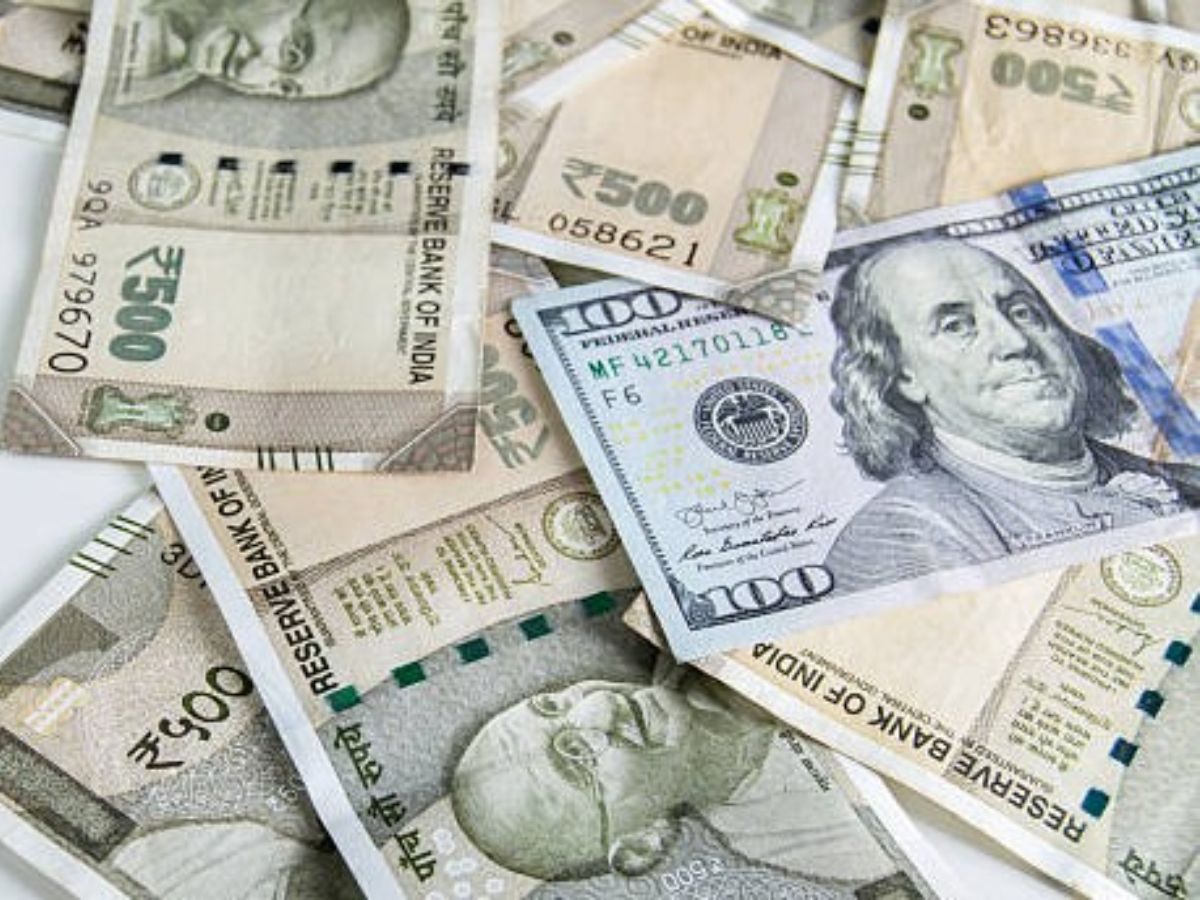
The Indian rupee rallied strongly after news of the India–US trade deal broke, rising 1.2% to ₹90.4 per US dollar in early trade. Currency markets welcomed the tariff reduction as it directly improved India’s export outlook.
Traders increased bets on higher dollar inflows into the country, strengthening demand for the rupee. The rally marked the rupee’s best single session since November 2022, highlighting the scale of the positive reaction. The move also reflected renewed confidence among foreign investors in India’s economic stability.
INR to USD Exchange Rates Today
The Indian rupee showed firm movement against the US dollar in today’s trading session, reflecting improved sentiment after the India–US trade deal. Currency markets remained active as investors monitored capital flows and global economic indicators. Below are the latest exchange rates between the US dollar and the Indian rupee:
- 1 USD = ₹91.29
- 5 USD = ₹456.42
- 10 USD = ₹912.85
- 20 USD = ₹1,825.70
These exchange rates may vary slightly across banks and foreign exchange platforms. Movements in the rupee continue to depend on trade developments, foreign investment trends, and global economic conditions.
How Did The Indian Currency Boost After the India-US Trade Deal?
The rupee strengthened because the trade deal made Indian goods cheaper and more competitive in the US market. Lower tariffs mean exporters can sell more, increasing dollar earnings for Indian companies.
As expectations of export growth improved, demand for the rupee rose in foreign exchange markets. At the same time, foreign investors returned to Indian equities and bonds, bringing fresh dollar inflows. These inflows were converted into rupees, adding further strength to the currency.
India-US Trade Deal: How Does the Rupee Get Affected?
A currency reacts quickly to changes in trade and capital flows. When exports rise, foreign buyers need more of the local currency, increasing its demand. Positive trade news also attracts foreign investors looking for better returns.
These investors bring dollars into the country, which banks and institutions convert into rupees. This process pushes the rupee higher against the dollar. The India–US trade deal triggered both export optimism and investment inflows at the same time.
India-US Trade Deal: Sensex & Nifty 50 Hit Strong Gains
Indian equity markets opened sharply higher following the trade deal announcement. The Sensex jumped over 3,600 points to cross 85,000, after closing at 81,666.46 on Monday. The Nifty 50 surged nearly 1,200 points from its previous close of 25,088.40, reflecting broad-based buying.
Banking, metals, and export-oriented stocks led the rally. With these gains, the Nifty moved close to its record high set in January. The rally also positioned the index for its strongest single-day performance in five years.
Why the Rupee & Bonds Reacted Strongly?
Bond markets responded positively as confidence in India’s economic outlook improved. Yields on the 10-year government bond fell by 5 basis points to 6.72%, indicating lower risk perception. A stronger rupee reduces imported inflation pressures, which supports bond prices.
Investors also expected stable trade conditions to help fiscal and external balances. As uncertainty declined, demand for government securities increased. This combination helped bonds rally alongside equities and the currency.
What is the India–US Trade Deal?
The India–US trade deal significantly reduced US tariffs on Indian goods from 50% to 18%. The agreement aimed to ease trade tensions and improve market access for Indian exporters. It followed intense negotiations between the two governments to strengthen bilateral economic ties.
The deal came shortly after India signed a free trade agreement with the European Union, which Prime Minister Narendra Modi called the “mother of all deals.” Together, these agreements signalled a renewed push toward global trade partnerships.
How the Tariff Cut Changed Market Dynamics?
The tariff cut shifted market sentiment from caution to optimism. Investors moved away from defensive positions and increased exposure to growth-oriented stocks. Export-driven sectors regained attention as earnings visibility improved.
The deal also raised hopes of sustained foreign institutional investor inflows, which markets had lacked in recent months. Reduced trade friction lowered fears of a widening trade deficit. Overall, the agreement reset expectations across asset classes.
India-US Trade Deal: Impact on Key Sectors & Broader Economy
Export-focused sectors stood out as the biggest beneficiaries of the deal. Textiles surged sharply as lower tariffs improved competitiveness in the US market. Manufacturing-linked sectors also gained on expectations of higher overseas demand. Automobiles remained mixed as investors evaluated global demand trends.
On a broader level, the deal helped markets recover from last week’s budget-driven crash, which wiped out nearly ₹10 lakh crore in investor wealth. The agreement restored confidence in India’s medium-term growth outlook.




