
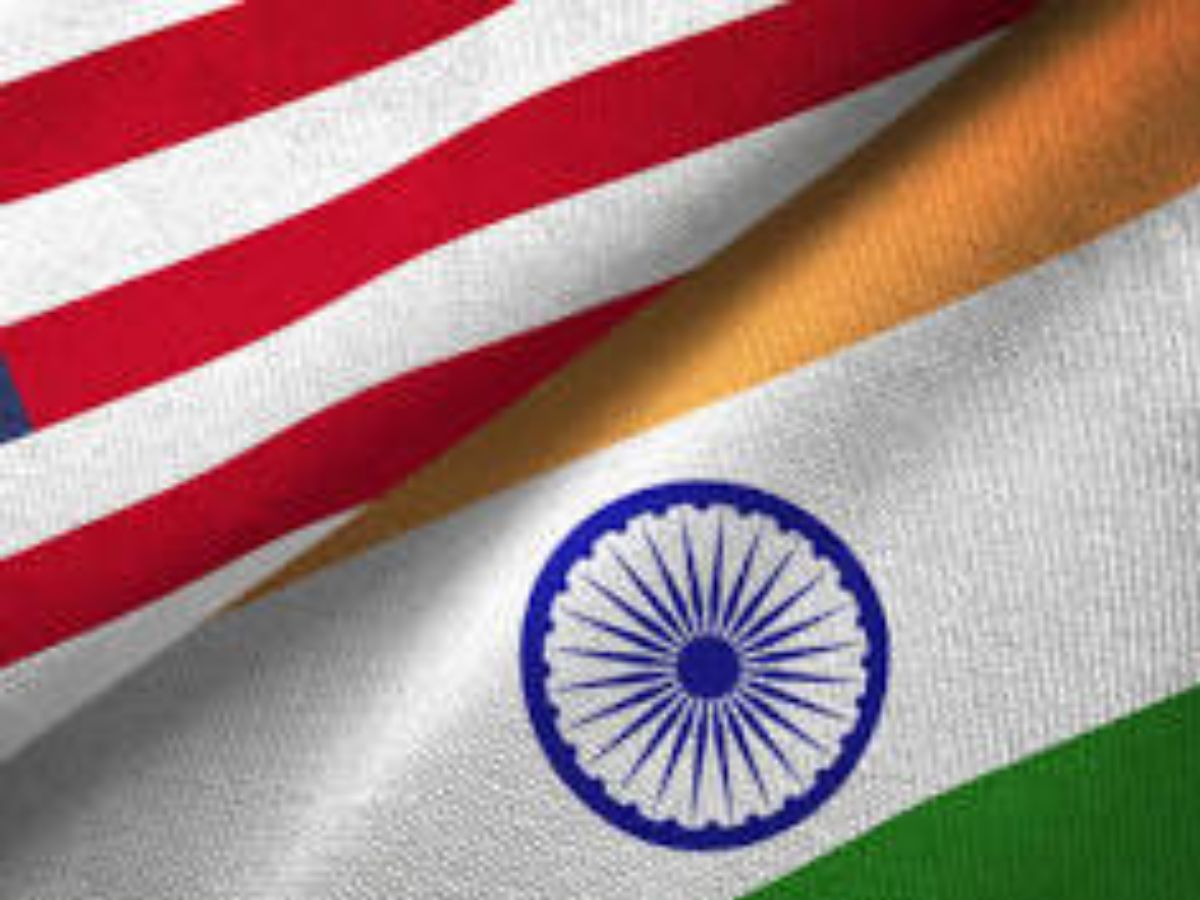
India-US Trade Agreement: India and the United States took another step forward in strengthening their bilateral partnership on Saturday with the finalisation of an interim trade agreement. One of the most notable outcomes of the framework was India’s firm decision to protect its agriculture and dairy sectors, which are among the most politically and economically sensitive areas of the Indian economy.
Soon after the agreement was announced, Commerce Minister Piyush Goyal shared details on X, underlining the importance of safeguarding farmers’ interests. He wrote: “In the India-US trade agreement, dairy, fruits, vegetables, spices, and other grains have been protected. This will safeguard the interests of domestic farmers, strengthen local agriculture through preferential access to such a large market, and mark another powerful step forward in the direction of a self-reliant India.”
किसान सुरक्षित, देश विकसित…
भारत-अमेरिका व्यापार समझौते में डेयरी, फल, सब्ज़ियाँ, मसाले और अन्य अनाजों को संरक्षित किया गया है।
इससे घरेलू किसानों के हित सुरक्षित होंगे, स्थानीय कृषि को इतने बड़े बाजार में preferential access से मजबूती मिलेगी और आत्मनिर्भर भारत की दिशा में एक… pic.twitter.com/X0bMisAgYn
— Piyush Goyal (@PiyushGoyal) February 7, 2026
India-US Trade Agreement: Why Agriculture and Dairy Matter to India
These sectors are far more than just trade categories. Agriculture and dairy form the backbone of rural India and support the livelihoods of millions of small and marginal farmers. Any disruption in these areas can directly impact incomes, food security, and social stability across large parts of the country.
Under the interim framework, India has clearly excluded dairy, fruits, vegetables, spices, and important grains from wide-ranging tariff reductions. This is significant because agriculture and dairy have long been non-negotiable areas for India in trade talks, especially with countries like the US, where farming is dominated by large, heavily subsidised agri-businesses. Allowing unrestricted imports could have exposed Indian farmers—many of whom operate on very small margins—to sharp price drops and unfair competition.
India-US Trade Agreement: Political Sensitivities and Past Lessons
Beyond economics, agriculture and dairy also carry major political weight in India. Farmers’ welfare has always been a sensitive issue, and any policy move that threatens their income can trigger widespread protests and political backlash. This concern played a major role in India’s decision to exit the Regional Comprehensive Economic Partnership (RCEP) in 2019, as the government feared that cheaper imports would hurt domestic crops and dairy producers.
Officials have consistently maintained that India has not weakened its long-standing position on protecting these sectors. Instead of opening markets to imports, the interim deal focuses on improving access for Indian agricultural products in the US market. This approach allows Indian farmers and exporters to tap into demand from one of the world’s largest consumer economies without damaging domestic production.
India-US Trade Agreement: Focus on Exports
The framework fits well with India’s broader goal of promoting export-led growth while maintaining food security at home. By prioritising preferential access rather than import liberalisation, the agreement seeks to create new opportunities for Indian agri-exports while keeping local markets stable.
The timing of this move is also seen as important. With global supply chains facing disruptions, geopolitical tensions rising, and protectionist policies becoming more common worldwide, India’s strategy reflects a careful and balanced approach. Rather than rushing into large-scale concessions, the interim agreement allows India to build trust with the US while firmly protecting its core interests.
India-US Trade Agreement: Advancing Atmanirbhar Bharat Through Trade
By shielding agriculture and dairy, the deal reinforces the idea of Atmanirbhar Bharat in a practical way. It focuses on strengthening domestic capacity first and then engaging with global markets on India’s own terms. At the same time, the framework ensures that farmers and agri-based industries are not cut off from international trade, but are included in a gradual, targeted, and sustainable manner that supports long-term growth.




