
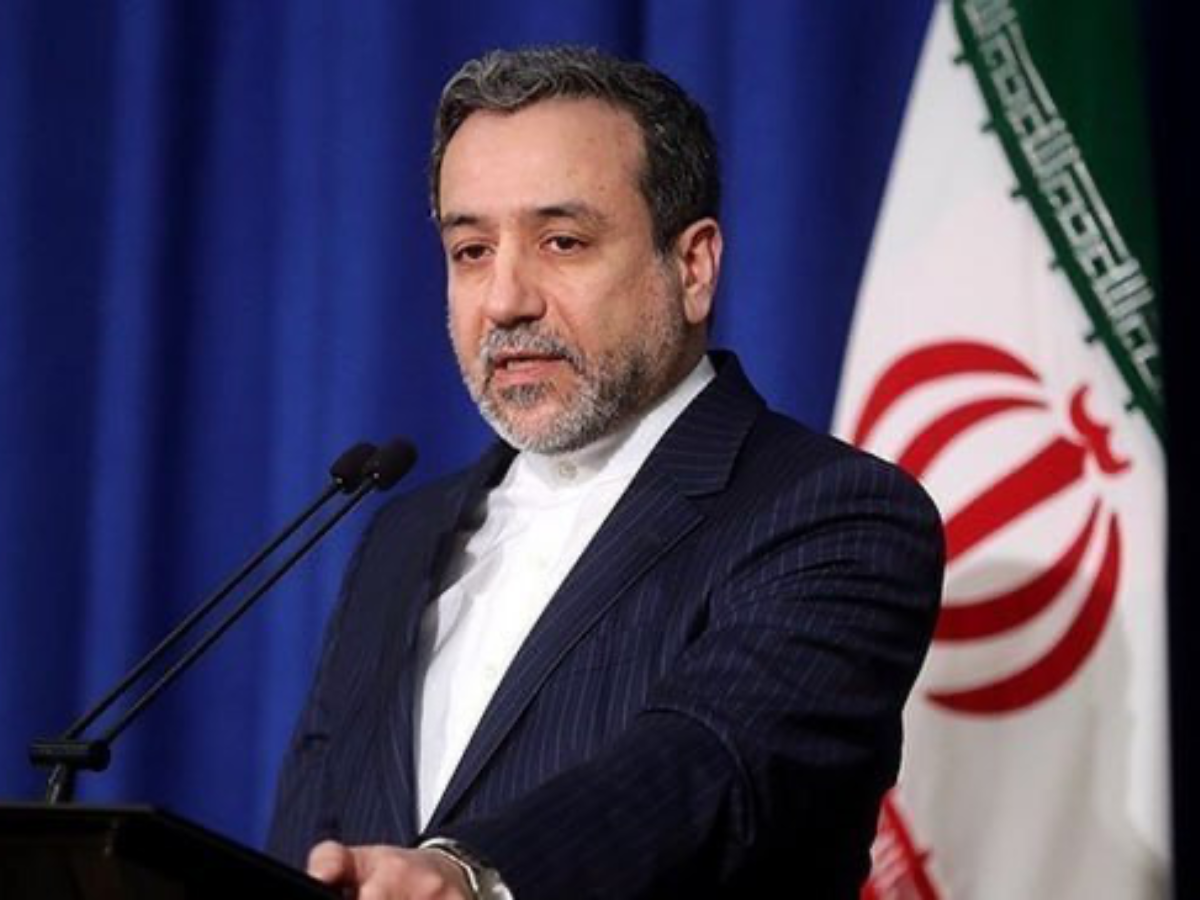
Iran resisting new US pressure on Iran’s bid to develop more uranium as fresh sanctions and military buildups spike Mideast tensions. In Tehran, Iranian Foreign Minister Abbas Araghchi indicated that they will not back down on their stance regarding their nuclear drive where Araghchi added that the question now remains whether the US is serious about engaging in serious diplomacy. In this new era of spike in tensions, Iran is looking for sanctions relief, while the US is adamant that Iran should not pursue its drive in nuclear development, as shown in IAEA reports.
Iran’s Position on Uranium Enrichment
Araghchi explained that uranium enrichment is a top Iranian priority and they cannot compromise on it or any other issue “Why do we push for enrichment even when we’re under pressure? Because no one can dictate our choices,” he said, highlighting the importance the Iranian government attached to the idea of national sovereignty during the negotiations.
He also dismissed the actions of the US military in the region including the USS Abraham Lincoln aircraft carrier, as intimidation tactics that wouldn’t work. Iran has consistently maintained that its nuclear program is for peaceful purposes and has denied pursuit of nuclear weapons.
Resumption of Diplomatic Talks
Talks between Iran and the United States, after years of basically stalled diplomacy, picked up again in Oman, becoming the first round of top-level talks since a spike in tensions brought U.S. military action into play in the region. Iran’s Deputy Foreign Minister Araghchi signaled that confidence building steps could be discussed in return for partial relief from sanctions but said real progress was pegged to mutual respect and trust. Even with these openness signals, Iran’s leadership remains wary, remembering past episodes where sanctions and military pressure undercut diplomatic efforts.
US Military Presence & Pressure Tactics
The United States increased its presence in the region near Iran by dispatching a carrier strike group and this move was perceived as a strong message to Iran. Top American officials visiting the strike group, such as the team leader Steve Witkoff and advisor Jared Kushner, further emphasized Washington’s commitment to peace through strength. Despite Trump declaring these talks “very good,” the U.S. further introduced new sanctions on Iranian shipping companies and oil-exporting firms, highlighting the seriousness of ongoing dialogue.
Doubts About US Commitment
Araghchi explicitly questioned Washington’s intent, but also referenced its recent actions, saying, “We’re weighing all the signals and will determine whether to keep the talks going.” This is a clear indication that Iran’s participation is dependent on U.S. actions.
Domestic Unrest & Humanitarian Concerns
This process is taking place in a country in turmoil. A series of protests, which began in December over economic and political matters, has, according to Iranian authorities, resulted in a minimum of 3,117 fatalities, most of them security forces and bystanders. However, independent sources indicate that the fatalities are more around 7,000 while the tally of arrests is more than 51,000, which is a major human rights issue.
How Tensions Affect the Wider Region
The dispute over Iran’s nuclear ambitions and the sanctions imposed reverberates beyond Tehran with the stability of the Middle East hanging in the balance with ongoing distrust and unilateral pressure, experts say, new eruptions could rise, whereas a positive agreement would stabilize the ailing economy of Iran and reduce the chances of military conflict.




