
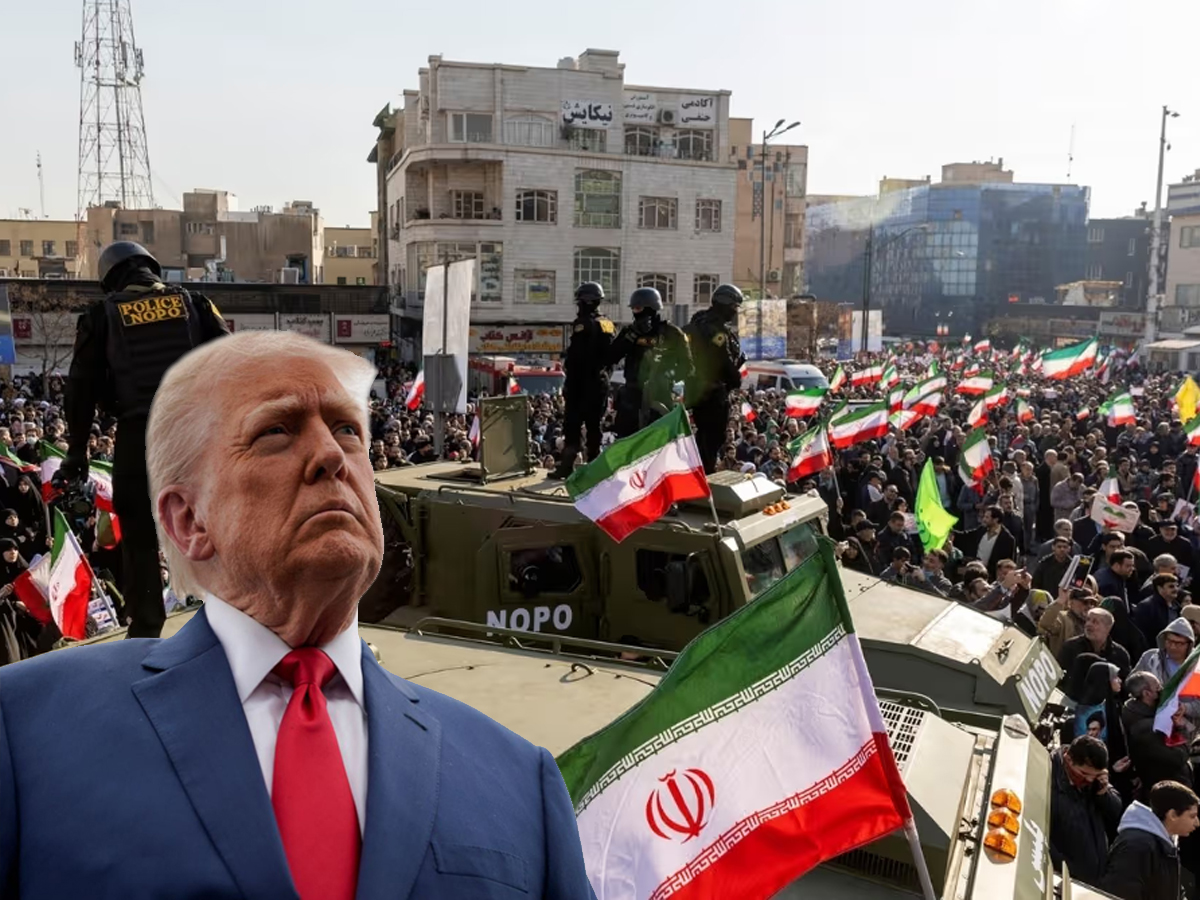
Tensions between the United States and Iran have intensified after Washington issued an urgent travel advisory asking its citizens to leave Iran “immediately.” The warning has raised global concern, especially as military deployments grow and nuclear negotiations struggle to build trust between the two sides.
The advisory signals increasing uncertainty in the region and reflects fears of a possible confrontation if diplomacy fails.
US-Iran Tension: Why Did The US Issue A Travel Advisory For Iran?
US officials said worsening security conditions prompted the alert. Authorities warned that citizens could face travel disruptions, internet shutdowns, road closures, and growing instability. The notice advised Americans to leave through land borders such as Armenia or Turkiye and avoid relying on direct US government assistance.
“If you cannot leave, find a secure location within your residence or another safe building. Have a supply of food, water, medications, and other essential items. Avoid demonstrations, keep a low profile, and stay aware of your surroundings,” it said.
The advisory also listed emergency contacts and stressed caution amid rising regional tension.
US-Iran Tension: Can US Citizens Be Detained In Iran? What Officials Said
US authorities highlighted the risk of detention, particularly for dual nationals. They warned that Iranian authorities might question or detain individuals who show American documents or ties to the United States.
Officials urged dual nationals to travel on Iranian passports when exiting. They also cautioned Americans against travelling through certain border areas, including Afghanistan, Iraq, or the Pakistan-Iran region. The notice explained that Washington lacks diplomatic relations with Tehran and relies on Switzerland to represent US interests.
US-Iran Tension: Is A US Attack On Iran Imminent? Military Buildup Explained
Speculation grew after senior US envoys and military leaders visited the USS Abraham Lincoln in the Arabian Sea. President Donald Trump increased pressure on Tehran, warning of severe consequences if negotiations fail. In a February 5 interview, Trump stated that Supreme Leader Ayatollah Ali Khamenei should be “very worried.”
The administration also announced tariff measures against countries continuing to do business with Iran despite sanctions. The growing naval and air presence in the region has fueled fears of potential conflict.
US-Iran Tension: What Is The Latest From US-Iran Nuclear Talks?
Diplomatic discussions resumed recently, with the first round of talks taking place in Muscat, Oman, on February 6. Iranian officials described the meeting as a “good start” but emphasized that Tehran would not abandon uranium enrichment.
On February 8, Iranian Foreign Minister Abbas Araghchi voiced deep mistrust toward Washington’s intentions. “Why do we insist so much on enrichment and refuse to give it up, even if a war is imposed on us? Because no one has the right to dictate our behavior,” Araghchi declared.
Despite ongoing negotiations, both sides remain cautious, and military movements continue alongside diplomacy.




