
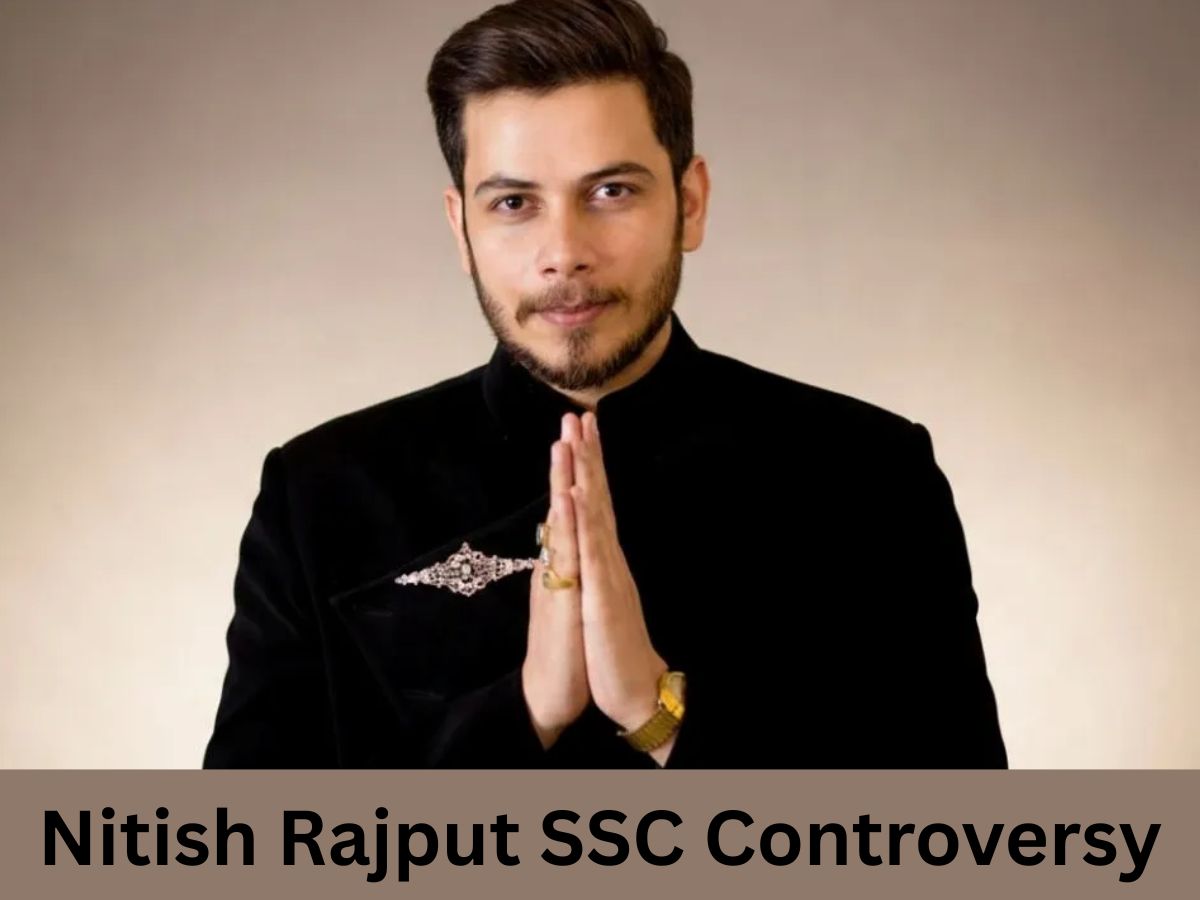
The long-simmering controversy around the Staff Selection Commission (SSC) exams has taken a sharp legal turn, pulling YouTuber and educator Nitish Rajput into a high-stakes courtroom battle. A ₹2.5 crore defamation lawsuit filed by Eduquity Technologies Pvt. Ltd. has transformed an online discussion about exam transparency into a national debate over accountability, free expression, and the future of public recruitment in India.
The case has struck a chord with millions of government job aspirants who rely on SSC exams as a gateway to stable employment and have repeatedly raised concerns about exam management.
What is the Nitish Rajput SSC Controversy?
The controversy began after Nitish Rajput released a detailed video questioning how SSC exams are conducted. Using information obtained through Right to Information (RTI) replies, official documents, and publicly available records, Rajput raised concerns about the tendering process and the selection of private vendors responsible for conducting SSC examinations.
He highlighted frequent rule changes, operational lapses, and what he described as systemic weaknesses that could impact the fairness and integrity of exams. The video quickly gained traction among aspirants who have long complained about technical glitches, last-minute changes, server failures, and poor infrastructure at exam centres.
What Did Nitish Rajput Alleged in His Video?
In his video, Rajput focused on procedural and administrative aspects rather than individual wrongdoing. He questioned whether changes in eligibility rules and tender conditions were implemented transparently and whether vendor selection followed consistent standards.
Rajput argued that repeated disruptions and mismanagement in SSC exams were not isolated incidents but pointed to deeper structural problems. He maintained that his claims relied on verified public records and echoed issues faced by candidates across multiple exam cycles.
Why Was a ₹2.5 Crore Defamation Case Filed?
Eduquity Technologies Pvt. Ltd., one of the firms involved in conducting SSC examinations, responded by filing a ₹2.5 crore defamation suit in a Delhi court. The company alleged that Rajput’s video contained misleading information that damaged its professional reputation and business interests.
Along with monetary compensation, the firm sought the removal of the video. Rajput refused to take it down, stating that the content constituted fair analysis based on official documents and reflected public interest concerns.
Who is Nitish Rajput?
Nitish Rajput is a well-known Indian YouTuber, educator, and content creator who specialises in explainers on public policy, governance, history, and social issues. He rose to prominence for breaking down complex topics in simple language, often using official documents, RTI replies, and publicly available data to support his analysis.
His content has a strong following among students and government job aspirants, especially those preparing for competitive exams like SSC, UPSC, and state-level recruitments. Rajput is known for maintaining a research-driven approach and frequently positions his work as public-interest commentary rather than political opinion.
The SSC controversy significantly expanded his national visibility, placing him at the centre of a larger debate around transparency, accountability, and freedom of expression in India’s recruitment and education systems.
Why Does His Video Matter?
The case has highlighted the growing influence of independent digital creators in scrutinising public institutions. It has also raised questions about the legal risks faced by online educators who rely on RTI data and official records to question government processes.
What is Eduquity Technologies’ Stand?
Eduquity Technologies has firmly denied the allegations raised in the video. The company maintains that the claims misrepresent facts and unfairly target its role in SSC examinations. By moving court, Eduquity has positioned the dispute as a matter of reputational harm rather than a debate on exam reforms.
Legal experts note that the outcome could set an important precedent on how defamation laws apply to digital commentary based on public documents.
What is the Jeffrey—No, Judicial—Angle Aspirants Are Focusing On?
As the case proceeds, student organisations and aspirant groups have stepped up mobilisation efforts. Several groups are reportedly exploring legal options to push for a broader judicial review of SSC’s recruitment framework, including vendor appointment and exam governance.
Some aspirants hope the matter could eventually reach the Supreme Court, citing past instances where the court intervened in cases involving large-scale exam irregularities.
Why This Case Matters Beyond One Lawsuit?
The Nitish Rajput–Eduquity dispute has expanded into a wider conversation about transparency in India’s competitive exam system. It raises critical questions about how public recruitment bodies handle outsourcing, how much scrutiny private vendors face, and how whistleblowing through digital platforms is treated under law.
For aspirants, the case symbolises a larger demand for fairness, predictability, and trust in SSC exams—an institution that shapes the careers of millions.
What Happens Next in the SSC Exam Case?
The Delhi court will continue hearing arguments from both sides. While the legal outcome remains uncertain, the controversy has already forced a renewed spotlight on SSC operations.
Regardless of the verdict, the case is likely to influence future debates on exam reforms, freedom of expression, and accountability in India’s public recruitment ecosystem.




