
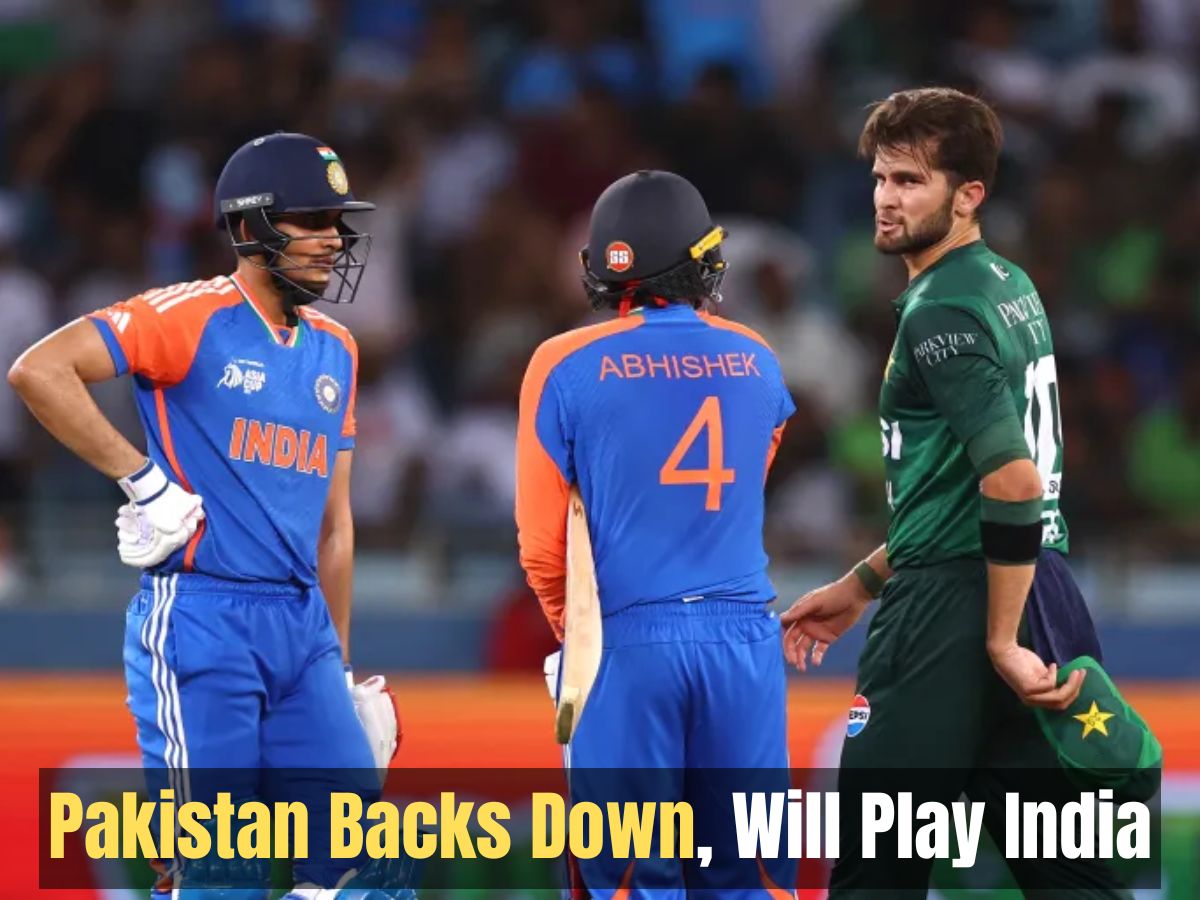
The high-stakes T20 World Cup clash between arch-rivals India and Pakistan is back on schedule, according to reports. The International Cricket Council brokered a last-minute deal during an emergency ICC meeting, ending Pakistan’s boycott threat and clearing the path for one of world sport’s most-watched events.
The dramatic resolution, surfaced late Monday, followed intense diplomatic pressure and averted a major financial and sporting crisis for the tournament and co-host Sri Lanka.
🚨🚨🚨 BREAKING: India vs Pakistan is set to take place in Colombo on February 15
An official announcement is set to be on its way#INDvsPAK #T20WorldCup pic.twitter.com/3XNqAMxhoE
— Cricbuzz (@cricbuzz) February 9, 2026
Who is Imran Khwaja and How Did He Broker Peace?
The crisis was resolved by Imran Khwaja, the ICC Deputy Chair and Singapore’s representative. An influential figure with full voting rights, Khwaja was appointed as the sole mediator during Sunday’s emergency meeting in Lahore. His contribution was critical in fostering negotiation between PCB Chairman Mohsin Naqvi and BCB President Aminul Islam, directing discussions toward a practical solution that addressed issues without jeopardizing the championship.
What Does the ICC Deal Mean for Bangladesh?
The ICC accord provides substantial concessions for Bangladesh. Importantly, the BCB will not incur any sanctions for its team’s withdrawal from the World Cup. In a significant gesture, the ICC also granted Bangladesh hosting rights for a future global event. The council’s statement emphasized Bangladesh’s status as a “valued Full Member” and pledged to ensure its absence has no “long-term effects” on cricket in the country, directly addressing the PCB’s solidarity argument.
Why Did Pakistan Reverse Its Boycott Decision?
Pakistan’s reversal came under immense multilateral pressure. The PCB found itself isolated as boards from Bangladesh, Sri Lanka, and the UAE urged it to reconsider. Sri Lanka Cricket explicitly warned of “massive economic fallout” for the host nation. This external pressure, combined with the ICC’s firm stance on legally binding participation agreements, left PCB chief Naqvi with little choice. He returned to Prime Minister Shehbaz Sharif on Monday, leading to the government’s rollback of its own boycott directive.
How Did the Standoff Threaten the Tournament?
The boycott threat caused immediate logistical and commercial turmoil:
- The sold-out Colombo match on February 15 was in peril.
- Sri Lanka, with all plans in place and a rise in visitor bookings, suffered significant losses.
- The ICC prepared for a legal and contractual dispute after the PCB invoked—and the ICC rejected—a ‘Force Majeure’ clause to forfeit the match.
- The controversy overshadowed the start of the tournament, where both India and Pakistan had already won their opening matches.
Disclaimer: This information is based on inputs from news agency reports. TSG does not independently confirm the information provided by the relevant sources.




