
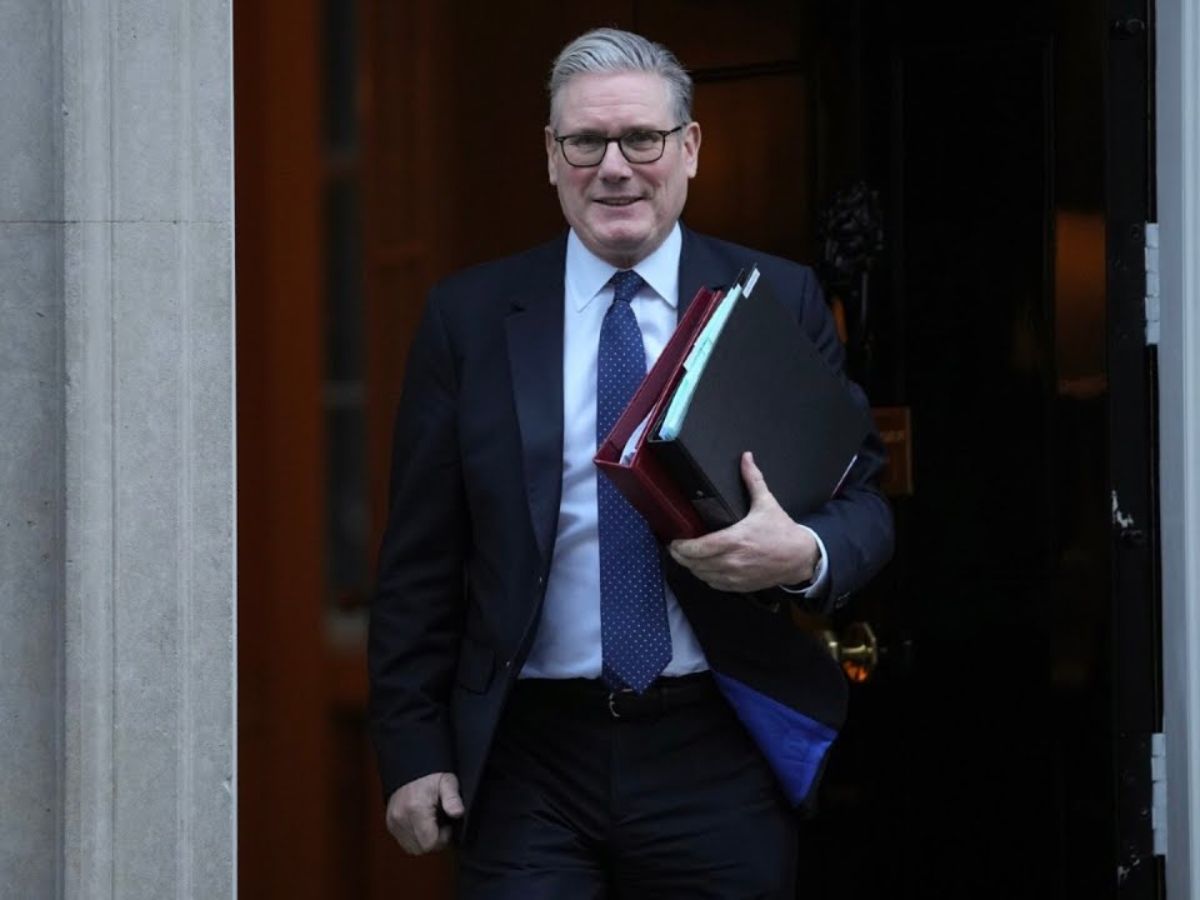
In the midst of a growing crisis brought on by his selection of Peter Mandelson as U.S. Ambassador, British Prime Minister Keir Starmer refused to quit on Monday, defying growing political pressure. The move has drawn intense scrutiny due to Mandelson’s documented close ties to the late convicted sex offender Jeffrey Epstein.
The Prime Minister’s resolve was tested by a direct call to quit from Scottish Labour leader Anas Sarwar and the resignation of a second senior aide in two days.
Who Called for Prime Minister Starmer to Resign?
The most significant demand came from Anas Sarwar, the leader of the Scottish Labour Party. “The distraction needs to end and the leadership in Downing Street has to change,” Sarwar said while speaking in Scotland, where Labour’s support has declined since the 2024 election. He became the most senior Labour figure to publicly call for Starmer’s resignation, escalating the internal party crisis.
What is the Core of the Political Crisis?
The crisis stems from Starmer’s appointment of former minister Peter Mandelson as U.S. Ambassador, a role that places him as Britain’s top diplomat in Washington. The appointment ignited a firestorm due to Mandelson’s close ties to Jeffrey Epstein, which have recently come into fuller public focus. The controversy has raised severe questions about Starmer’s judgment, leading to the resignation of two key aides: his closest advisor, Morgan McSweeney, and his Communications Chief, Tim Allan.
How Did Starmer and His Government Respond?
Starmer delivered a defiant message to a meeting of Labour lawmakers, stating, “After having fought so hard for the chance to change our country, I’m not prepared to walk away from my mandate and my responsibility to my country, or to plunge us into chaos.” He framed his fight as preventing the populist Reform Party, led by Nigel Farage, from taking power. A Downing Street spokesperson reiterated he had a “clear five-year mandate from the British people.”
What Was the Financial and Internal Party Reaction?
The political instability caused immediate market jitters. Government borrowing costs rose as investors feared a more left-wing successor might take over. The pound also weakened against the euro. These pressures eased slightly after key senior ministers and potential leadership rivals, including Deputy PM David Lammy, Finance Minister Rachel Reeves, Foreign Minister Yvette Cooper, and former deputy Angela Rayner, offered Starmer their “full support.” Despite this, one anonymous Labour lawmaker described the scene as “like watching a fatal car crash in slow motion.”
FAQs: The Starmer Leadership Crisis
Q: Why is Peter Mandelson’s appointment so controversial?
A: Close personal relationships between Mandelson and the late Jeffrey Epstein, a convicted financier and sex offender, are well-documented. The appointment of someone with such ties to the delicate and esteemed position of U.S. Ambassador has been widely regarded as a grave mistake of judgment.
Q: How many aides have resigned over this issue?
A: Two senior aides have resigned in two days: Morgan McSweeney, Starmer’s closest advisor, and Tim Allan, his Director of Communications. This marks the fourth communications chief Starmer has lost since taking office.
Q: Is there a formal mechanism to oust Starmer?
A: While the Scottish Labour leader’s call is noteworthy, Starmer’s position is ultimately dependent on parliamentary Labour Party support. The support of top ministers and possible challengers such as Angela Rayner signals that no formal leadership challenge is forthcoming.
Q: What did Starmer mean by “plunge us into chaos”?
A: He was likely referencing the recent history of Conservative Party turmoil, suggesting that a rapid change in leadership would create political and economic instability, potentially benefiting opposition parties like Nigel Farage’s Reform Party.
Disclaimer: This information is based on inputs from news agency reports. TSG does not independently confirm the information provided by the relevant sources.




