
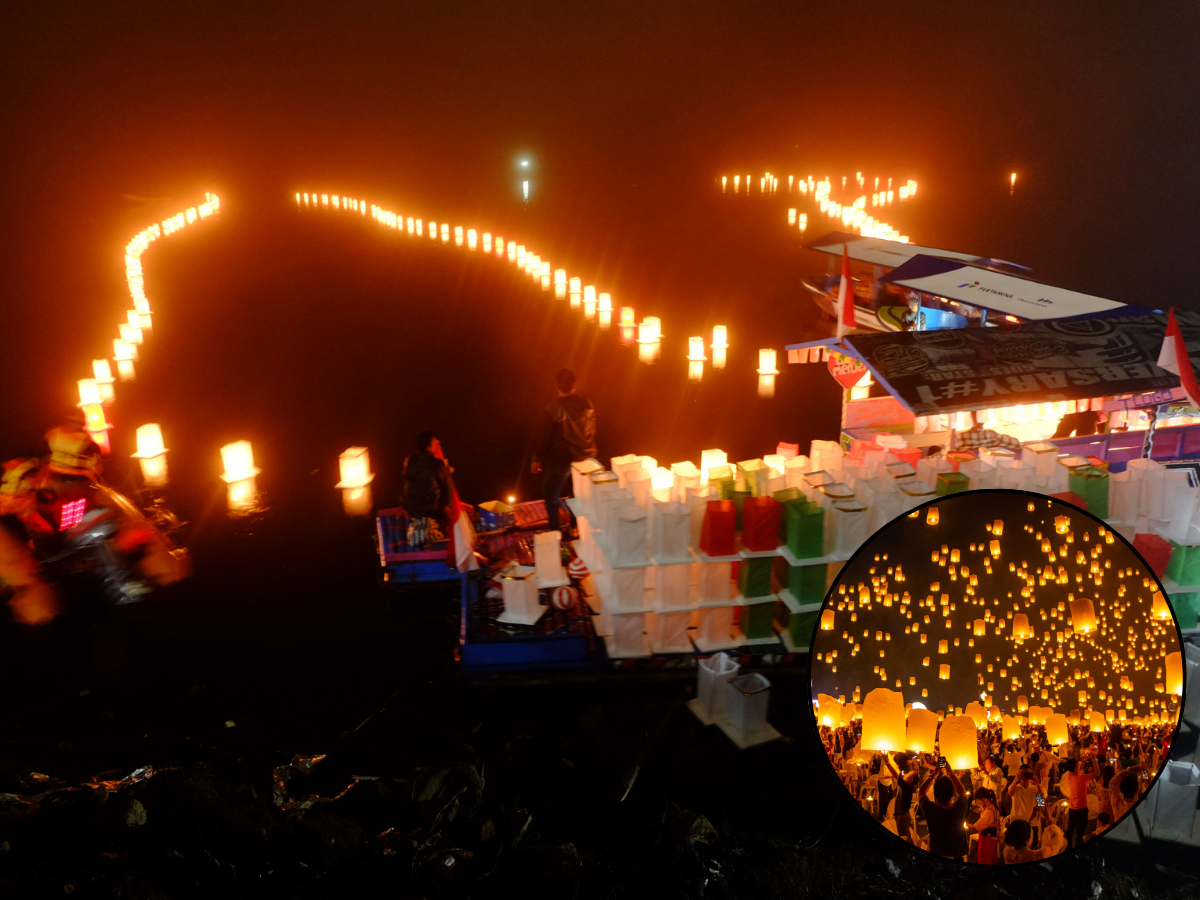
The numerous festivals celebrated across different nations make India the country most recognized as the Land of Festivals. The various cultural traditions of India, together with its multiple religious beliefs and ancient customs, result in the country experiencing monthly festivals, which make it one of the most festive nations worldwide.
Which Country Is Called the Land of Festivals?
The Land of Festivals title belongs to India because the country celebrates numerous different festivals throughout its entire territory. The entire Indian subcontinent presents numerous festivities that take place throughout every month of the calendar year.
Why is India Known as the Land of Festivals?
India has become home to various religions, which include Hinduism, Islam, Christianity, Sikhism, Buddhism, and Jainism. The different faiths celebrate their own festive occasions, which include Diwali, Eid, Christmas, Guru Nanak Jayanti, Buddha Purnima, and Mahavir Jayanti. The local festivals that states observe include Pongal, Baisakhi, Onam, Durga Puja, Navratri, and Bihu, which contribute to the country’s festive atmosphere.
Cultural and Seasonal Importance
Indian festivals extend beyond designated holidays because they function as essential cultural practices that people observe throughout India. Festivities create bonding experiences between family members, which help everyone in the community to grow closer together.
Festivals as a Way of Life
Indians consider festivals to be more than holidays because they function as essential components of their daily existence. The events bring families together while they create communal bonds that strengthen interpersonal relationships. The various elements of celebration, which include music and dance, food and rituals, and decorations, show the cultural richness of India.
The complete diversity of India, combined with its ongoing festive activities throughout the year, leads people to call India the Land of Festivals. The Indian festivals show how people from different cultures unite to celebrate their shared joy and cultural traditions.




