

A contradiction in a recent United Nations Security Council document has triggered allegations that Pakistan is attempting to feed misleading information to the UN system regarding the operational status of Jaish-e-Mohammed.
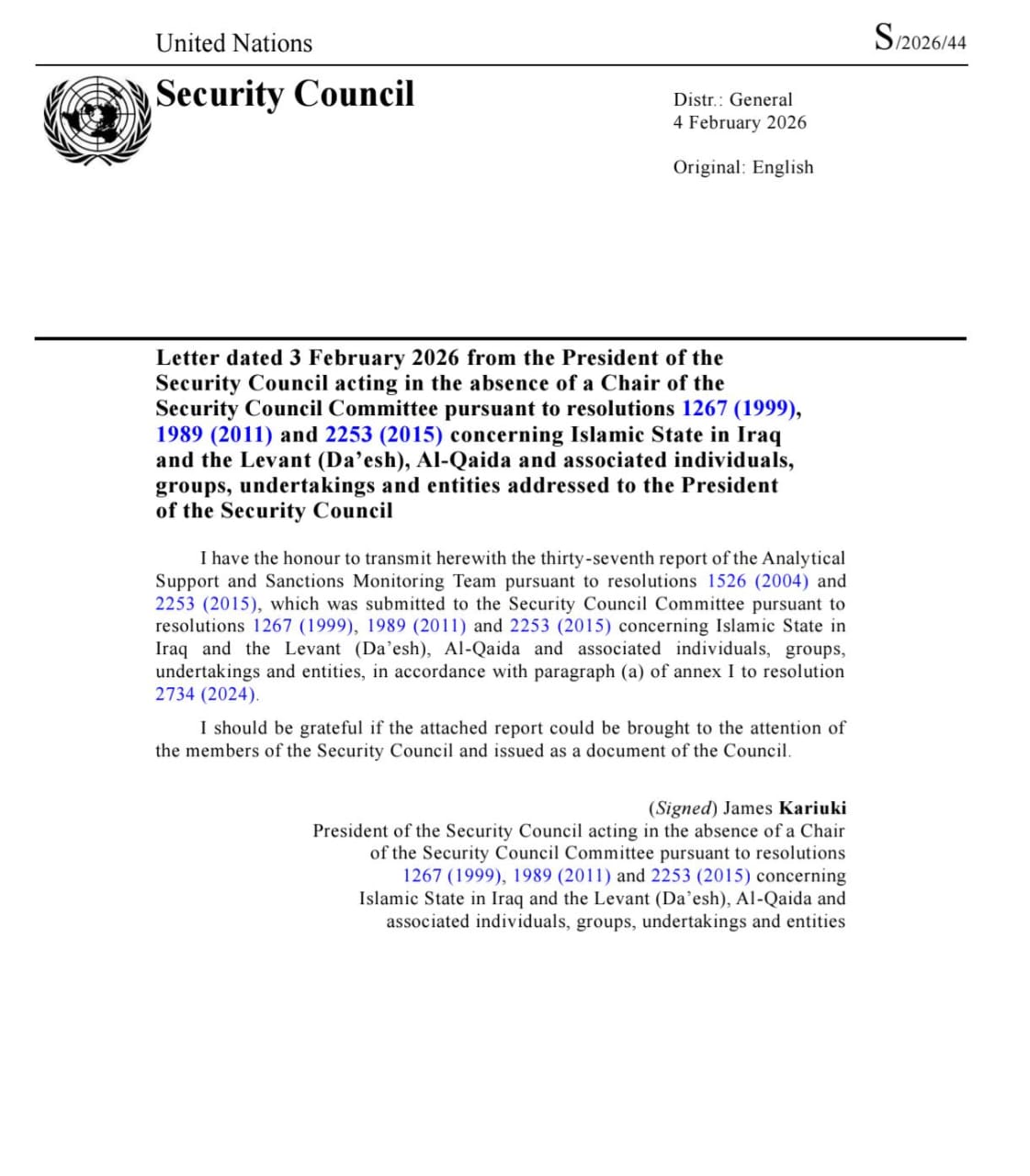
The thirty-seventh report of the Analytical Support and Sanctions Monitoring Team, circulated as S/2026/44, records two conflicting submissions.
One Member State informed the UN that Jaish-e-Mohammed had claimed responsibility for a series of attacks, including one linked to the Red Fort in New Delhi. Another Member State stated that the organization was defunct .
The Monitoring Team does not identify the countries that provided the inputs.
New Delhi has consistently maintained that Jaish-e-Mohammed remains operational and continues to pose a security threat. India has over the years shared dossiers, technical intercepts and diplomatic communications with international partners detailing what it describes as the group’s continued infrastructure and leadership networks.
The contradiction in the UN report surfaces even as the Sunday Guardian has reported how Jaish-e-Mohammed has begun rebuilding assets and infrastructure damaged during Operation Sindoor. Those inputs based on assessments from multiple intelligence agencies including agencies based outside India, show reconstruction activity at previously disrupted facilities. Video recordings, audio intercepts and photographic material also clearly show renewed logistical movement and structural rebuilding linked to the organization.
These assessment directly contradict the claim that the group is defunct.
From an incentive perspective, India has no strategic reason to declare Jaish-e-Mohammed dismantled.
Pakistan, by contrast, has repeatedly stated in international forums that proscribed organizations have been banned and neutralized. Presenting the group as defunct would align with a diplomatic narrative of compliance with UN sanctions obligations.
The appearance of false claims inside an official Security Council document has therefore sharpened scrutiny over whether misleading or selective national assessments are being presented to the UN without independent verification.
The Monitoring Team compiles Member State submissions but does not publicly attribute or adjudicate between them unless supported by corroborated evidence.




