
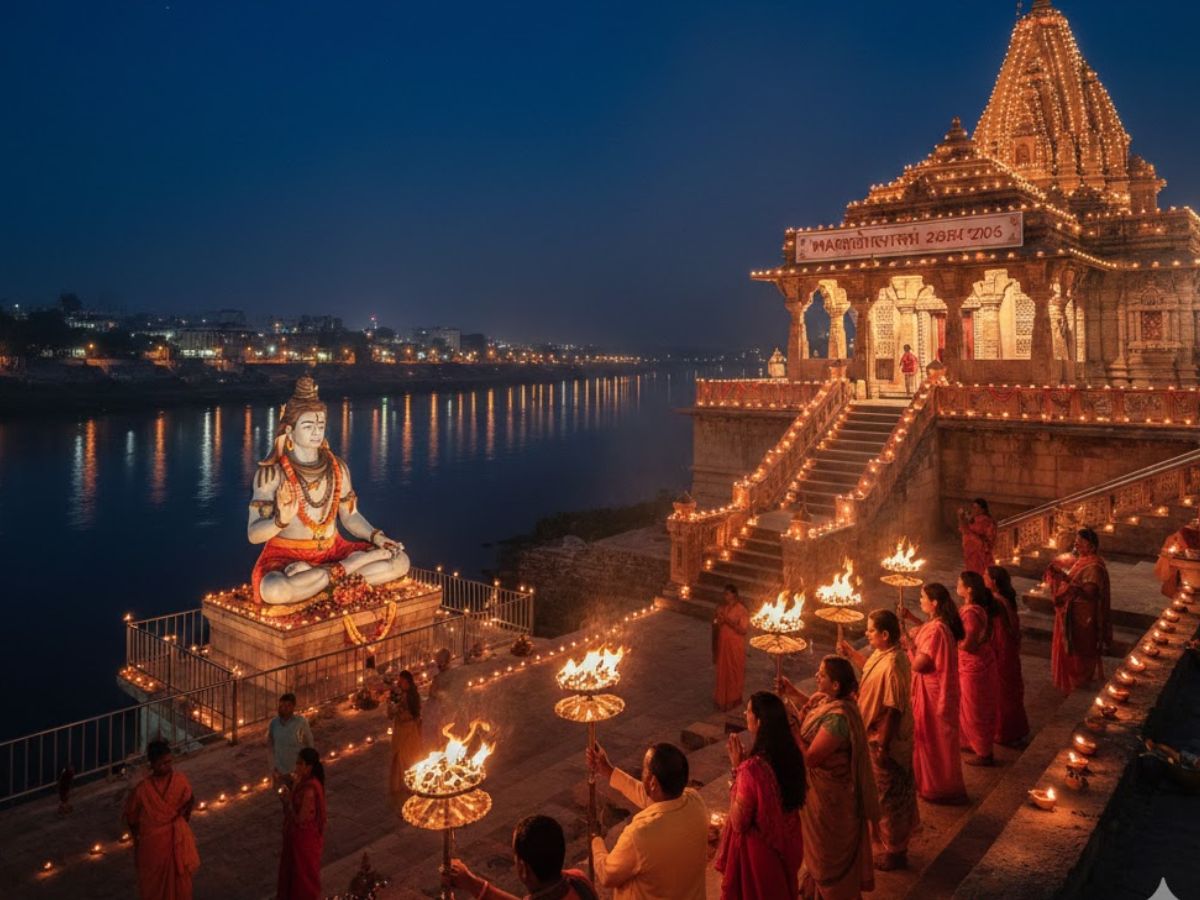
Mahashivratri 2026: This festival is of immense significance to Sanatan Dharma, as it celebrates the holy union of Lord Shiva and Goddess Shakti. Each year, devotees celebrate this mighty night by fasting, praying, and worshipping throughout the night. As the date nears, many people are left puzzled about whether Mahashivratri will take place on February 15 or February 16.
As per the Hindu Panchang, Mahashivratri will be celebrated on Sunday, February 15, 2026.
Mahashivratri 2026 Tithi Details as per Hindu Panchang
Mahashivratri is celebrated on the Chaturdashi Tithi of Krishna Paksha. While North India follows the Phalguna month and South India observes it during Magha, the festival date remains the same nationwide.
Mahashivratri 2026 Date and Chaturdashi Timing
-
Mahashivratri Date: Sunday, February 15, 2026
-
Chaturdashi Tithi Begins: 05:04 PM on February 15, 2026
-
Chaturdashi Tithi Ends: 05:34 PM on February 16, 2026
The vrat and night-long worship are performed when the Chaturdashi Tithi is active.
Nishita Kaal Puja Time on Mahashivratri 2026
Nishita Kaal, or midnight, is considered the most sacred time for Shiva worship. Devotees believe Lord Shiva manifested as the Shivling during this period.
Nishita Kaal and Parana Muhurat
-
Nishita Kaal Puja Time: 12:09 AM to 01:01 AM (February 16)
-
Total Duration: 51 minutes
-
Shivratri Parana Time: 06:59 AM to 03:24 PM (February 16)
Important Note: Devotees must break the fast after sunrise on February 16 but before the Chaturdashi Tithi ends to receive the full spiritual benefits of the Shivratri vrat.
Mahashivratri 2026 4 Prahar Puja Timings
Many devotees observe Jagran and perform puja in four parts of the night, known as Prahars. Below is the 4 Prahar Puja schedule based on New Delhi time:
-
First Prahar: 06:11 PM to 09:23 PM (Feb 15)
-
Second Prahar: 09:23 PM to 12:35 AM (Feb 15–16)
-
Third Prahar: 12:35 AM to 03:47 AM (Feb 16)
-
Fourth Prahar: 03:47 AM to 06:59 AM (Feb 16)
Each Prahar is dedicated to specific rituals, mantras, and offerings to Lord Shiva.
Mahashivratri Vrat Vidhi: Step-by-Step Rituals
Observing Mahashivratri vrat requires discipline, devotion, and purity of mind and body. The ritual process begins a day earlier.
Day Before Mahashivratri (Trayodashi)
Devotees should consume only one simple meal on this day.
Sankalp on Mahashivratri Morning
After completing morning rituals on February 15, devotees take a Sankalp, pledging to observe a full-day fast and night vigil with devotion.
Evening Puja Preparation
A second bath is taken in the evening before visiting the temple or performing Shiva Puja at home.
Fasting Rules
Food is strictly avoided throughout the day and night. Worship continues during the night, and the fast is broken the next day during the Parana time.
By observing Mahashivratri with proper vrat rules, correct Panchang timings, and sincere devotion, devotees believe they receive peace, prosperity, and spiritual upliftment. This sacred night is considered ideal for meditation, self-reflection, and seeking Lord Shiva’s blessings.




