
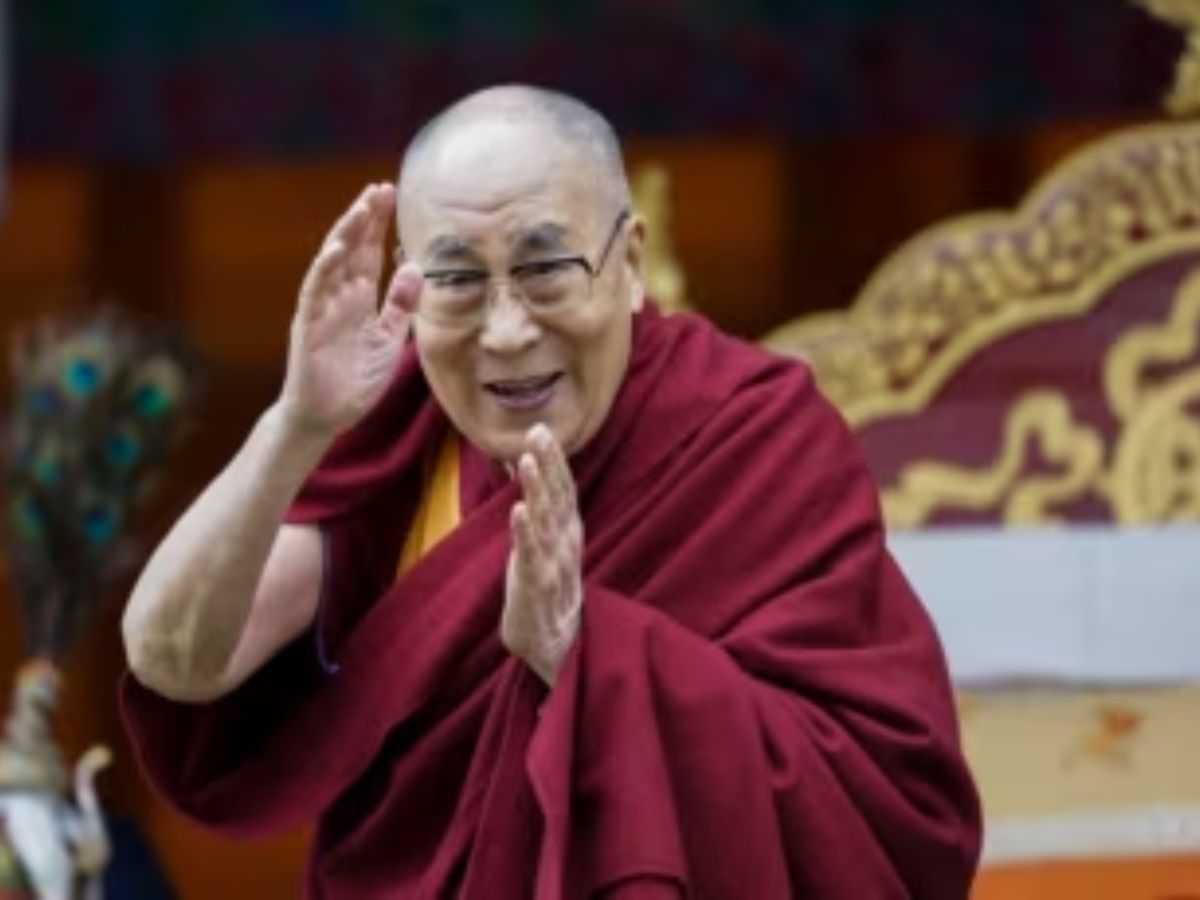
China’s Tibet policy has hardened into a doctrine of hostility, one that treats the Dalai Lama and the Tibetan diaspora not as spiritual or cultural actors but as existential threats to state sovereignty. This hostility is not incidental—it is strategic, rooted in Beijing’s determination to monopolize legitimacy over Tibet’s past, present, and future.
For Beijing, the Dalai Lama embodies an alternative source of authority that undermines the Party’s claim to Tibet. His global stature—meeting heads of state, inspiring millions—contradicts China’s narrative that Tibet is a settled question. The Tibetan government-in-exile, though lacking territorial control, symbolizes continuity of Tibetan political identity. In international law terms, it represents a counter-claim to sovereignty, however symbolic, and Beijing cannot tolerate even symbolic challenges.
The succession issue magnifies Beijing’s anxiety. China insists it will control the recognition of the next Dalai Lama, invoking historical precedents like the Qing-era “Golden Urn” system. Yet this claim is legally tenuous and religiously illegitimate. International human rights law, particularly Article 18 of the ICCPR, protects freedom of religion—including the right of communities to determine their spiritual leadership. Beijing’s interference is therefore not only a domestic policy but a violation of international norms. The risk is profound: two rival Dalai Lamas, one recognized by Tibetans, another imposed by Beijing, creating a schism that delegitimizes China’s claim to religious authority.
The Tibetan diaspora, concentrated in India, Europe, and North America, has become a transnational advocacy network. Their activism keeps Tibet on the agenda at the United Nations, in parliaments, and in civil society. Beijing’s hostility reflects the diaspora’s success: they have reframed Tibet from a territorial dispute into a human rights issue. This shift is dangerous for China, because human rights claims invoke universal norms and legal precedent, not just geopolitics. State media brands the Dalai Lama a “splittist,” delegitimizing him as a political actor. Diplomatic Coercion: Beijing punishes states that host him, leveraging trade and investment. Religious Domestication: Monasteries are surveilled, curricula rewritten, clerical appointments controlled—all designed to sever Tibetans from their lineage.
This hostility may prove self-defeating. By attempting to dictate succession, Beijing risks creating a rival claimant whose legitimacy will be recognized globally. By silencing diaspora voices, it amplifies their credibility as victims of repression. And by delegitimizing the Dalai Lama, it inadvertently strengthens his moral authority abroad.
China’s hostility toward the Dalai Lama and the Tibetan diaspora is not simply about Tibet—it is about control over narrative, legitimacy, and identity. Yet in trying to extinguish Tibetan dignity, Beijing has only made it more visible. The diaspora’s resilience, and the Dalai Lama’s enduring moral authority, demonstrate that sovereignty cannot erase faith, and repression cannot erase memory.
-
Khedroob Thondup, a geopolitical analyst, is the nephew of the Dalai Lama.




