
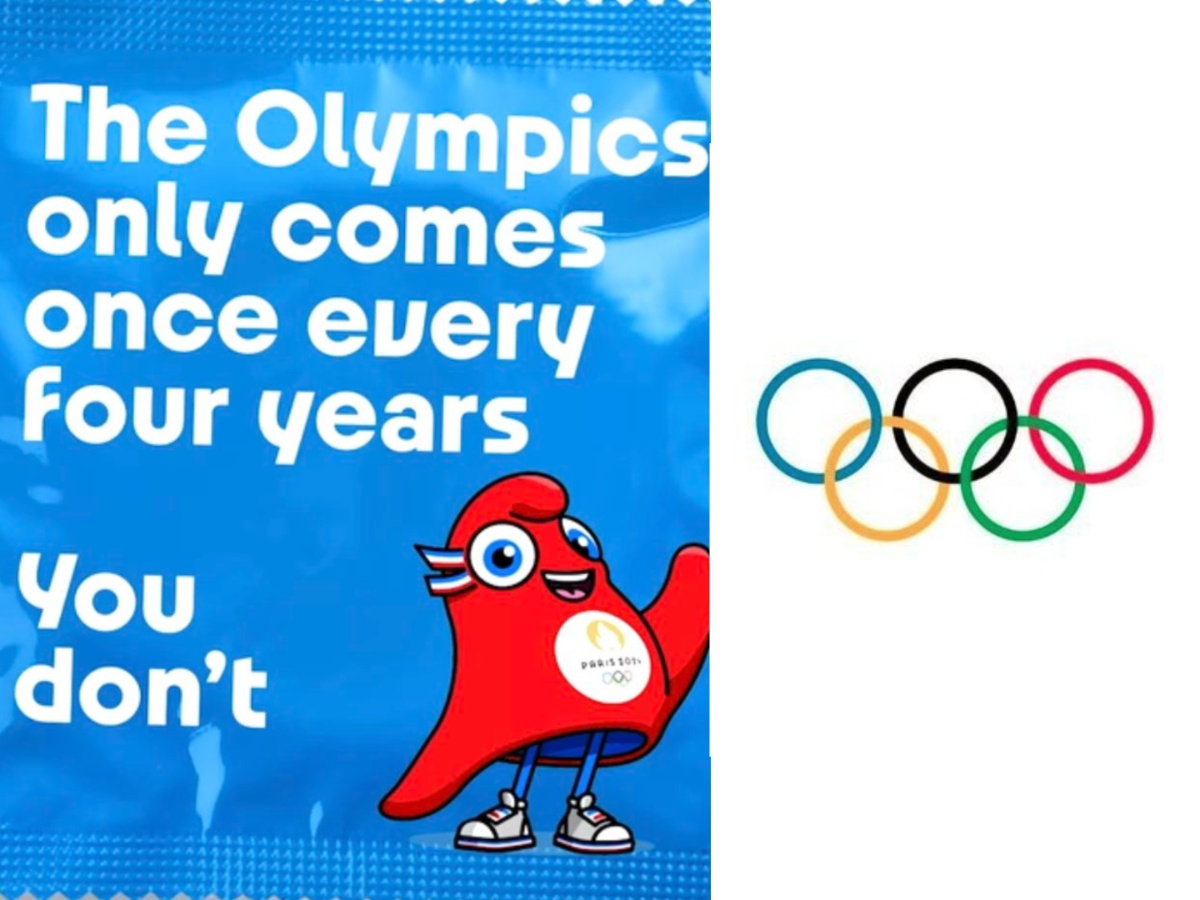
Winter Olympics 2026: While the world watches elite athletes push the limits of human performance at Milan Cortina 2026, a different kind of record was broken this week: the Olympic Village ran out of its 10,000-condom supply in just 72 hours.
Winter Olympics 2026: Why Did the Olympic Village Run Out of Condoms?
The shortage, which hit just before Valentine’s Day and International Condom Day, has left organizers scrambling to restock. While headlines often lean toward sensationalism, the surge in demand is actually a predictable mix of biology, history, and a touch of souvenir hunting.
A Tradition Born of Crisis
The practice of distributing free contraceptives is not new; it’s a public health legacy. The International Olympic Committee (IOC) first began the program at the 1988 Seoul Summer Games. At the height of the global HIV/AIDS epidemic, health officials recognized that bringing thousands of young, sexually active people together from every corner of the globe required a proactive safety strategy.
What started as 8,500 condoms in Seoul has ballooned over the decades. The 2016 Rio Games set the “gold standard” with a staggering 450,000 units distributed. For officials, it’s not just about the act itself—it’s about destigmatizing sexual health and ensuring that athletes, who often act as role models in their home countries, return with a message of safety and awareness.
Why Demand for Condoms Is High at the Olympic Village
Critics are quick to joke about the “Olympic Orgy” reputation, but experts point to several logical factors for the high turnover:
-
The Post-Event “Release”: Athletes spend years in a state of extreme physical and mental tension. Once their event is over, the sudden drop in cortisol and the spike in adrenaline and dopamine often lead to a desire to “blow off steam.”
-
Peak Physicality: The Village is quite literally the highest concentration of humans in peak physical condition on the planet. As one athlete famously noted, when you put thousands of fit, attractive young people in a high-pressure environment, “hookups” are inevitable.
-
The Souvenir Factor: Many of the condoms are branded with Olympic logos or local host imagery. Athletes often grab handfuls not for use, but as quirky, “only-at-the-Olympics” gifts for friends back home.
-
Planning vs. Reality: In Milan, the 10,000 count averaged out to roughly 3.3 condoms per athlete for the entire 17-day stay. Compared to the 28 per athlete provided in Paris 2024, the shortage was less about a record-breaking “sex fest” and more about a significant logistical underestimation.
As the Games continue toward the February 22 closing ceremony, the IOC has promised that fresh supplies are on the way. For now, the “condom drought” serves as a reminder that even at the highest levels of sport, the human element—and the need for safety—remains front and center.




