
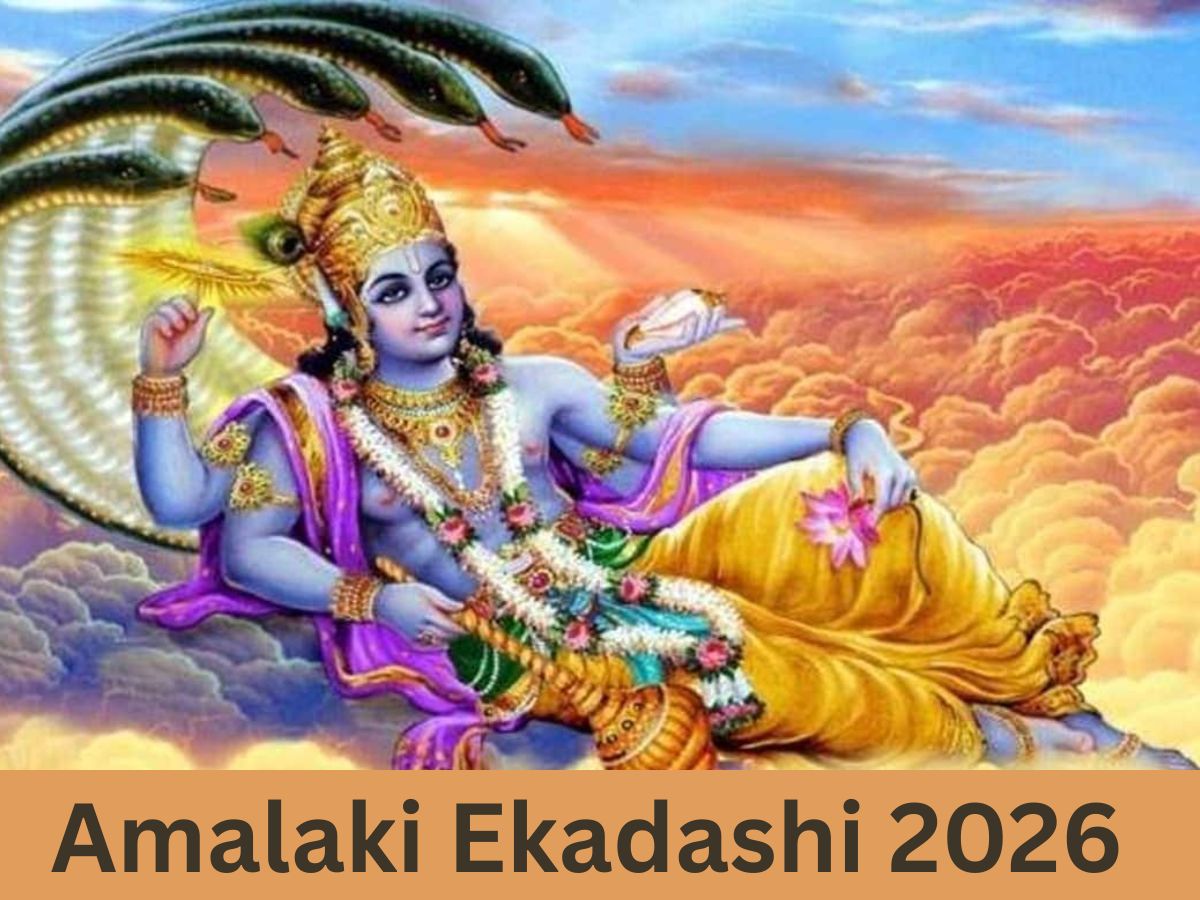
As February draws to a close, many devotees are confused about the exact date of Amalaki Ekadashi 2026. Since the Ekadashi tithi spans two calendar days this year, people are asking whether the fast should be observed on 26 or 27 February.
According to traditional Hindu calendar calculations and sunrise-based rules, devotees will observe Amalaki Ekadashi on 27 February 2026, with Parana on 28 February. The sacred day holds deep spiritual value as devotees worship Lord Vishnu and the revered Amla tree to seek blessings, prosperity and spiritual growth.
When is Amalaki Ekadashi 2026: 26 or 27 February?
Amalaki Ekadashi, also known as Rangbhari Ekadashi, in 2026 falls during Phalguna Shukla Paksha of the Hindu calendar. According to calendar calculations, the Ekadashi tithi spans parts of 26 and 27 February 2026. However, the correct day to observe the fast is Friday, 27 February 2026, based on sunrise and tithi rules.
Many devotees wonder if the fast is on “26 or 27 February?” The Ekadashi tithi begins late on 26 February and continues into 27 February, so the fast is held on 27 February according to traditional astro-panchang guidelines.
Amalaki Ekadashi 2026: What Time is Parana?
The Parana (breaking the fast) for Amalaki Ekadashi will be observed on Saturday, 28 February 2026. The auspicious parana window starts early morning and ends before mid-morning: between 6:47 AM and 9:06 AM.
This is the period when devotees should end their Ekadashi fast after sunrise and complete the vrat according to the scriptures.
Amalaki Ekadashi 2026: How to Break Fast (Parana Ritual)
Breaking the fast, known as Parana, has its own spiritual norms. The ritual list includes:
- Clean the prayer area and sprinkle Ganga jal.
- Perform the final Vishnu puja with flowers, fruits and sweets.
- Offer Prasad and conclude with Aarti.
- Seek forgiveness for mistakes during the puja and fast.
- Offer charity as per capacity.
- Break the fast by consuming sacred prasad.
- Avoid tamasic foods while doing Parana.
These steps help devotees observe the fast in a disciplined and respectful way.
Amalaki Ekadashi 2026: Significance of the Amla Tree
Amalaki Ekadashi centres around worshipping Lord Vishnu and the Amla (Indian gooseberry) tree. Devotees believe the Amla tree holds divine powers and blessings.
Tradition holds:
- Touching the Amla tree doubles the spiritual merit of good actions.
- Consuming Amla fruit is believed to give triple spiritual benefit.
- Even simply remembering the tree is said to equal giving charity of a cow.
The tree is revered because it is believed that Lord Vishnu resides in every part of it, making this fast especially auspicious.
Why Devotees Observe Amalaki Ekadashi?
Amalaki Ekadashi is more than a fast, it’s a time for spiritual renewal. On this day, devotees:
- Worship Lord Vishnu and the Amla tree with devotion.
- Observe strict fasting for the whole day.
- Perform prayers, mantra chanting and meditation.
- Donate food, clothes or Amla fruits to the needy.
Devotees believe sincere observance of this fast can remove sins, fulfil wishes, and bring peace and prosperity into life.
How to Observe Amalaki Ekadashi: Simple Steps
To make the day spiritually meaningful, many follow these practices:
- Wake up early, take a holy bath and wear clean clothes.
- Pray to Lord Vishnu with offerings of flowers, fruits and tulsi.
- Sit in meditation or read sacred texts.
- Donate essentials like food, clothes or Amla fruits.
- Perform parana next morning within the auspicious window.
- Devotees often avoid grains and tamasic foods while fasting to maintain purity of mind and body.
Amalaki Ekadashi 2026: Key Dates & Highlights to Remember
For 2026, Amalaki Ekadashi is celebrated on 27 February with the Parana on 28 February between 6:47 AM and 9:06 AM. This sacred fast honours Lord Vishnu and the revered Amla tree, offering spiritual benefits to those who observe it with sincerity.
Remembering centuries-old traditions, devotees across India will gather to pray, fast and renew their faith on this important day of devotion and reflection.




