
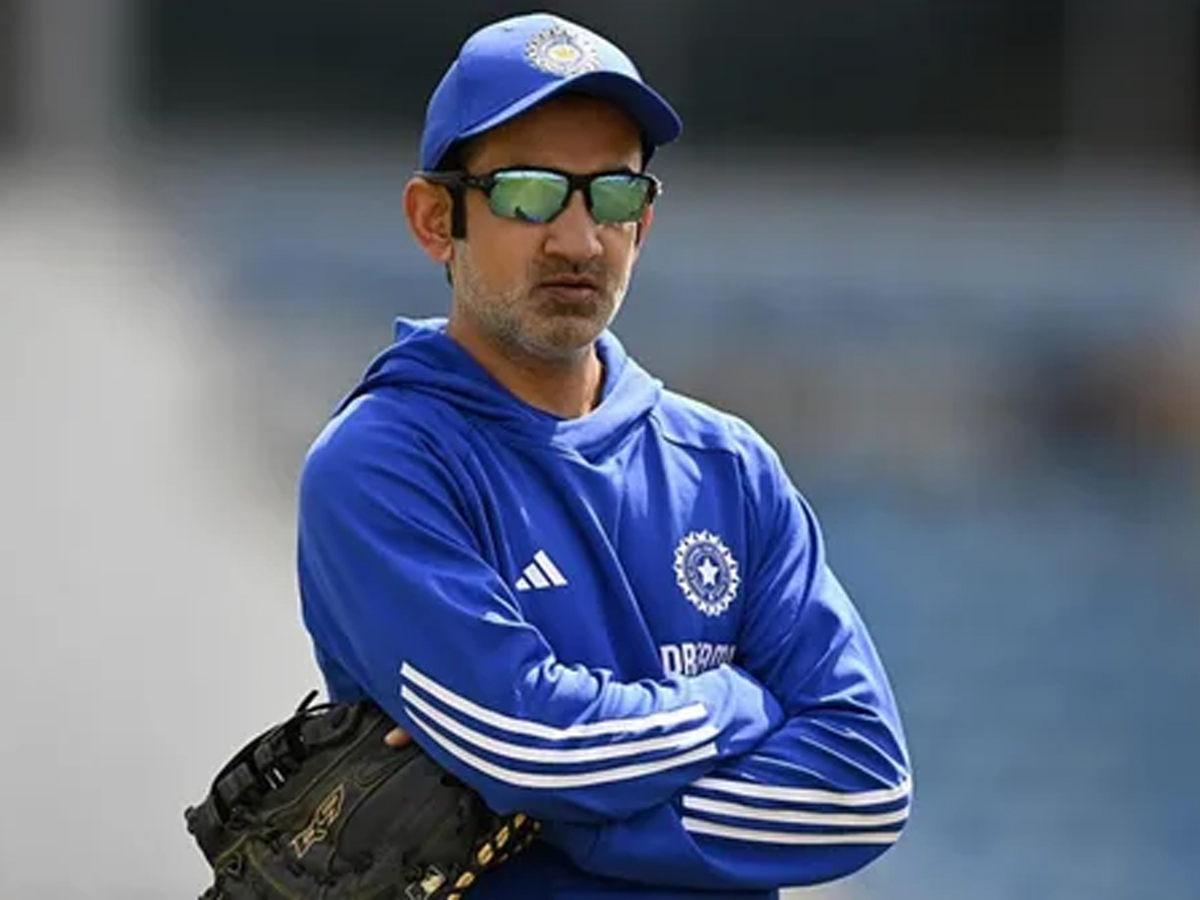
New Delhi: When Gautam Gambhir took charge of India’s cricket team coach in July 2024, his most challenging unwritten mandate as far as T-20 cricket was concerned was to see the transition of the team that had just seen the retirement of Rohit Sharma, Virat Kohli and Ravindra Jadeja, long considered the pillars of India’s T20 success. One was the captain, the other the senior-most batter, while the last was India’s premier all-rounder.
Nearly two years into his tenure, and 47 matches later, the numbers offer a counterpoint to the recent growing criticism against Gambhir from former cricketers in commentary boxes that includes names like Kris Srikkanth, Sanjay Manjrekar and Mohammad Kaif, all of whom have consistently maintained that their observations are aimed at improving the performance of the team.
India have now played 47 T20 Internationals under Gambhir. They have won 37, lost nine, with two no results. That translates to a win rate of approximately 78.7 percent.
In isolation, that remains an elite return over a substantial sample size. However, the more revealing story lies beneath that aggregate.
Against Tier 3 opposition such as the United States national cricket team, the Namibia national cricket team and the Netherlands national cricket team, India have been clinical, including recent World Cup victories over all three.
Against Tier 2 sides including the Sri Lanka national cricket team, the Bangladesh national cricket team, the Afghanistan national cricket team, the West Indies cricket team and the Pakistan national cricket team, India have been dominant. The 2025 Asia Cup campaign, where India won seven matches including three victories over Pakistan, underlined that control in a multi-team tournament setting.
The scrutiny intensifies against Tier 1 opponents.
Across bilateral series, the Asia Cup and the ongoing T20 World Cup, India’s record against the South Africa national cricket team, the Australia national cricket team and the England cricket team remains strong, hovering around the 70 percent mark.
In global T20 cricket, elite versus elite contests typically trend closer to equilibrium. A return in that range over nearly 50 matches does not suggest regression. It signals competitive stability.
The ongoing 2026 T20 World Cup has added fresh context. India opened with wins over the United States, Namibia, Pakistan and the Netherlands before suffering a defeat to South Africa. That loss, given its margin and the manner of the batting collapse against high-quality pace, has sharpened public scrutiny of the team, and more of Gambhir.
Yet, claiming the loss as an example of sustained underperformance against top-tier opposition is not supported by broader data.
The legitimate question is not whether Gambhir has failed in T20 cricket, the on ground record rejects that claim. The more precise question is whether the team’s approach scales seamlessly into high-leverage ICC moments against top-class pace attacks.
A 78.7 percent overall win rate and a strong record against Tier 1 opponents make sweeping criticism difficult to sustain. One World Cup defeat, even a heavy one, does not erase a two-year body of work.
These numbers do not paint a picture of decline; rather they suggest a team that is statistically strong, structurally dominant against the middle tier, and competitive against the elite.
Whether that competitiveness translates into major global trophies will determine the long-term verdict, but for now, the data offers Gambhir more protection than his critics concede.




