
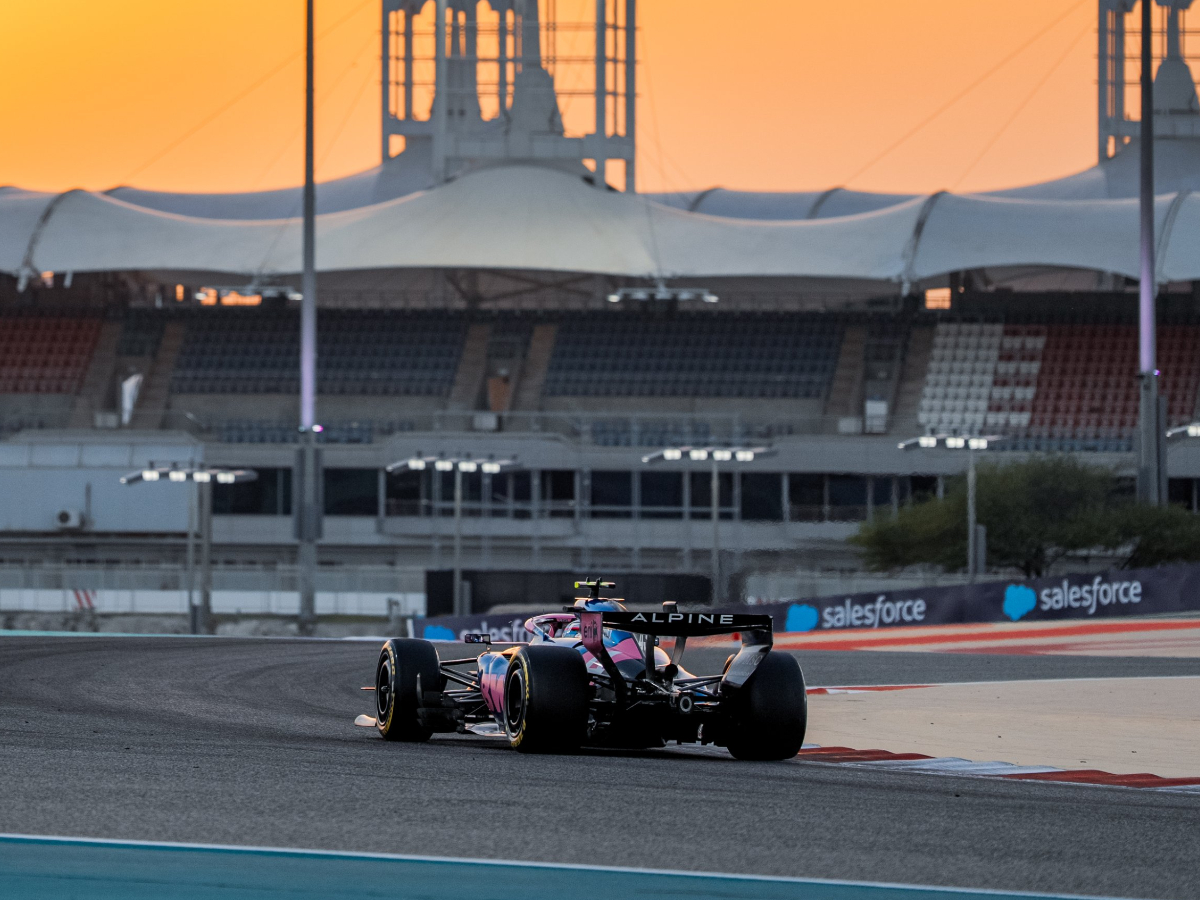
The new Formula 1 season is just around the corner, bringing with it a fresh set of regulations, brand-new liveries, and a completely new generation of cars. As the sport enters a new era of technical innovation, one detail has caught the eye, the unusual lights on the cars that change colours. What are they, and what do they mean? Let’s break them down.
Under the new regulations, the central rear light has been redesigned. It can now change colours and flash in different patterns to send signals to drivers during the race. This could intensify competition, as drivers behind can better understand what the car ahead is doing.
However, the primary reason for this update is safety. The new light helps prevent serious side-impact crashes, especially in low-visibility conditions like rain or fog. It also protects marshals by warning them about the higher electrical risks from the new 50/50 hybrid power units. How? Let’s find out.
What are the new lights introduced for the 2026 F1 season?
Two new types of lights have been introduced for the 2026 season:
1. Rear Impact Structure (RIS) Light
During pre-season testing, fans would have noticed an oval-shaped light at the rear of the car that appears red. The new design saves around 180g in weight and incorporates a rear-facing camera. This light can be considered a smart display for drivers behind, as it changes patterns and colours to indicate energy levels in the power unit and send different messages.
Flash patterns:
-
One flash → MGU-K delivering less than maximum power (350kW).
-
Two flashes → MGU-K not delivering power.
-
Multiple quick flashes → MGU-K is recharging while the Internal Combustion Engine (ICE) continues running.
Colour indications:
-
Red → Normal default rear light.
-
Blue → Driver does not have a full super licence (rookie running).
These lights can also signal a Safety Car period, indicate that the engine has stopped on track, and show if the car is using intermediate or wet tyres.
As of now, the only additional colour used is blue to indicate rookies on track. For those unaware, F1 has a rule, that each team must field their a rookie driver on four occasions during Free Practice 1 sessions each season.
2. Lateral Safety Lights
These are a brand-new addition introduced by F1. Amber-coloured lights are integrated into the rear-view mirrors to improve side visibility if a car spins or becomes stationary in low-visibility conditions such as rain, water spray, or at night.
Functions:
-
Stay on while the car is in neutral on the grid and automatically turn off once the driver engages first gear.
-
Turn on when a car spins or has an accident.
-
Turn on when the car stops completely.
-
Activate when speed drops below 20 kph.
🚨 New safety feature for 2026 🚨
Lights will flash on the wing mirrors and at the rear when:
👉 A car has stopped on track
👉 A car is going under 20 km/h outside the pit lane #F1 #F1Testing pic.twitter.com/anLFQ9kmAo— Formula 1 (@F1) February 11, 2026
F1 New Grid “Ready” Lights
Apart from these two car lights, the 2026 season will also introduce new Grid “Ready” lights.
Blue lights fixed to the main start/finish gantry will stay on for five seconds before the traditional red light countdown begins. This signals that the cars are in position and allows drivers to begin revving their engines to build turbo pressure before the start.
What’s the reason behind this?
The 2026 regulations remove the MGU-H, the component that previously kept the turbo spinning electrically. Without the MGU-H, the turbocharger now relies solely on exhaust gases to build pressure.
To avoid turbo lag at the start, drivers must manually spool the turbo by holding high revs (up to around 13,000 RPM) while stationary on the grid.
In previous years, the time between the last car lining up and the first red light was too short for the 2026 engines to build sufficient boost pressure. This could have led to inconsistent or chaotic starts. Therefore, the new blue Grid “Ready” lights have been introduced to provide extra preparation time.




