
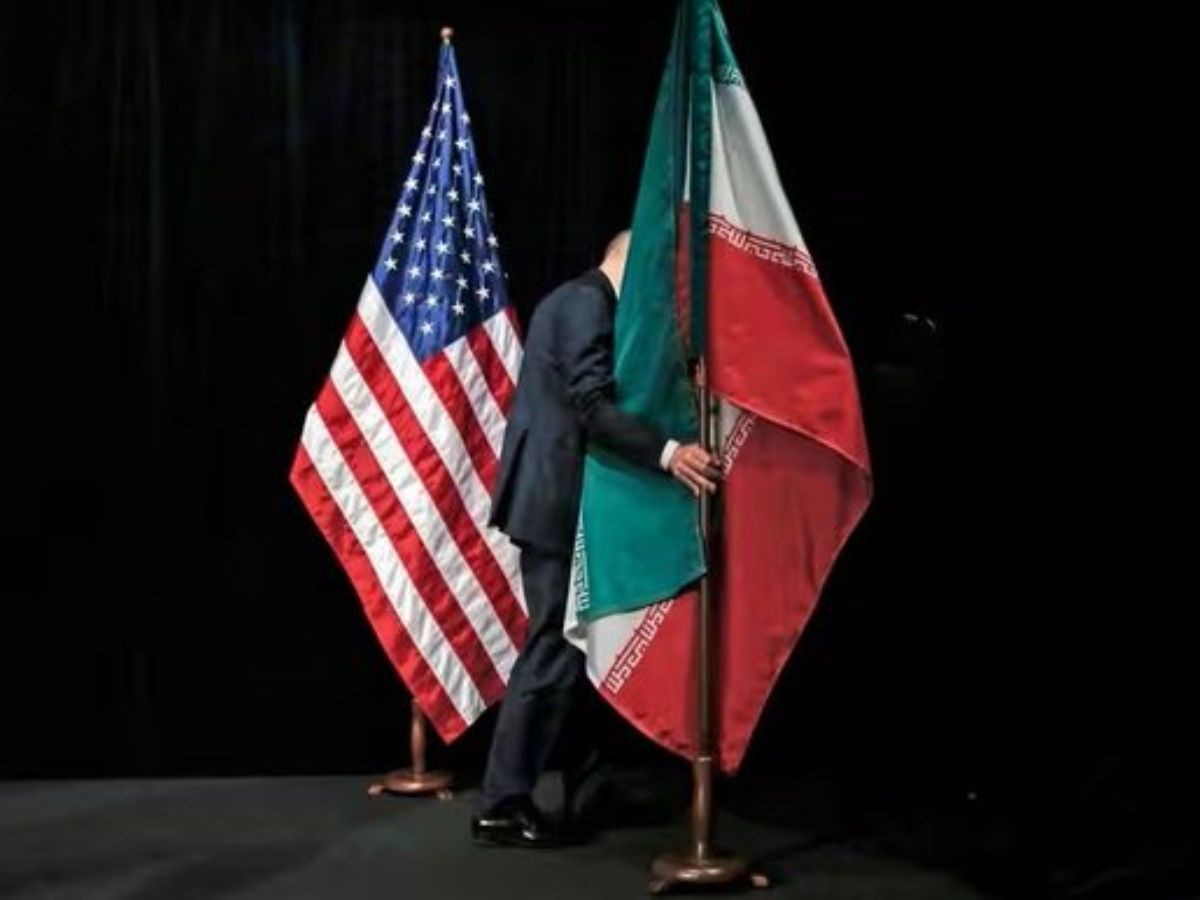
On Thursday, the United States and Iran began their third round of indirect talks in Geneva, Switzerland to reach a deal on their longstanding nuclear dispute. The US hopes that this exercise would produce an agreement preventing Iran from acquiring nuclear weapons.
US President Donald Trump has increased pressure on the West Asian country by amassing forces around it, forcing Iran to either accept the deal or face military strikes.
US-Iran Nuclear Talk: Who are Involved in the talks?
Thursday’s talks in Geneva are expected to bring together key figures from the United States, Iran, Oman, and the international nuclear watchdog. From the American side, US Special Envoy Steve Witkoff is expected to participate, along with Jared Kushner, son-in-law of US President Donald Trump, according to a Reuters report. Representing Tehran will be Iran’s Foreign Minister Abbas Araqchi.
Oman will once again play a mediating role, with its Foreign Minister Badr Albusaidi stepping in to facilitate dialogue between the sides. Additionally, Rafael Grossi, Director General of the International Atomic Energy Agency, will be present in Geneva to hold discussions with both delegations. The meeting is set to take place in Geneva, reinforcing Switzerland’s longstanding role as a neutral diplomatic venue.
US-Iran Nuclear Talk: Ministers Speak
As nuclear negotiations restart in Switzerland, officials from both sides have outlined their positions, revealing clear differences in focus. US Secretary of State Marco Rubio said Iran’s unwillingness to address its ballistic missile programme remains a significant concern. He argued that the missile issue cannot be separated indefinitely from broader security talks, warning that the weapons threaten regional stability and could complicate progress on the nuclear file.
Tehran, however, is signalling a narrower agenda. Iranian foreign ministry spokesperson Esmaeil Baghaei told reporters that the discussions should remain confined to nuclear matters and sanctions relief. He emphasised that Iran is entering the talks with what he described as “seriousness and flexibility,” while maintaining that the scope of negotiations must remain limited. The contrasting messaging underscores the challenges ahead as Washington and Tehran return to the negotiating table with differing expectations.
US-Iran Nuclear Talk: What Happens Next
The US has built up the largest American military build-up in the Middle East since the Iraq War, intensifying fears of escalation. After Washington joined Israel in striking Iran’s nuclear facilities last June, Tehran has warned of severe retaliation if attacked again.
Any fresh confrontation could trigger proxy responses across the region, including militia activity and maritime disruptions. Diplomatic channels remain open, but miscalculation remains a real risk.
Much will depend on whether talks produce even limited de-escalation, or whether military signalling on both sides hardens positions further.




