
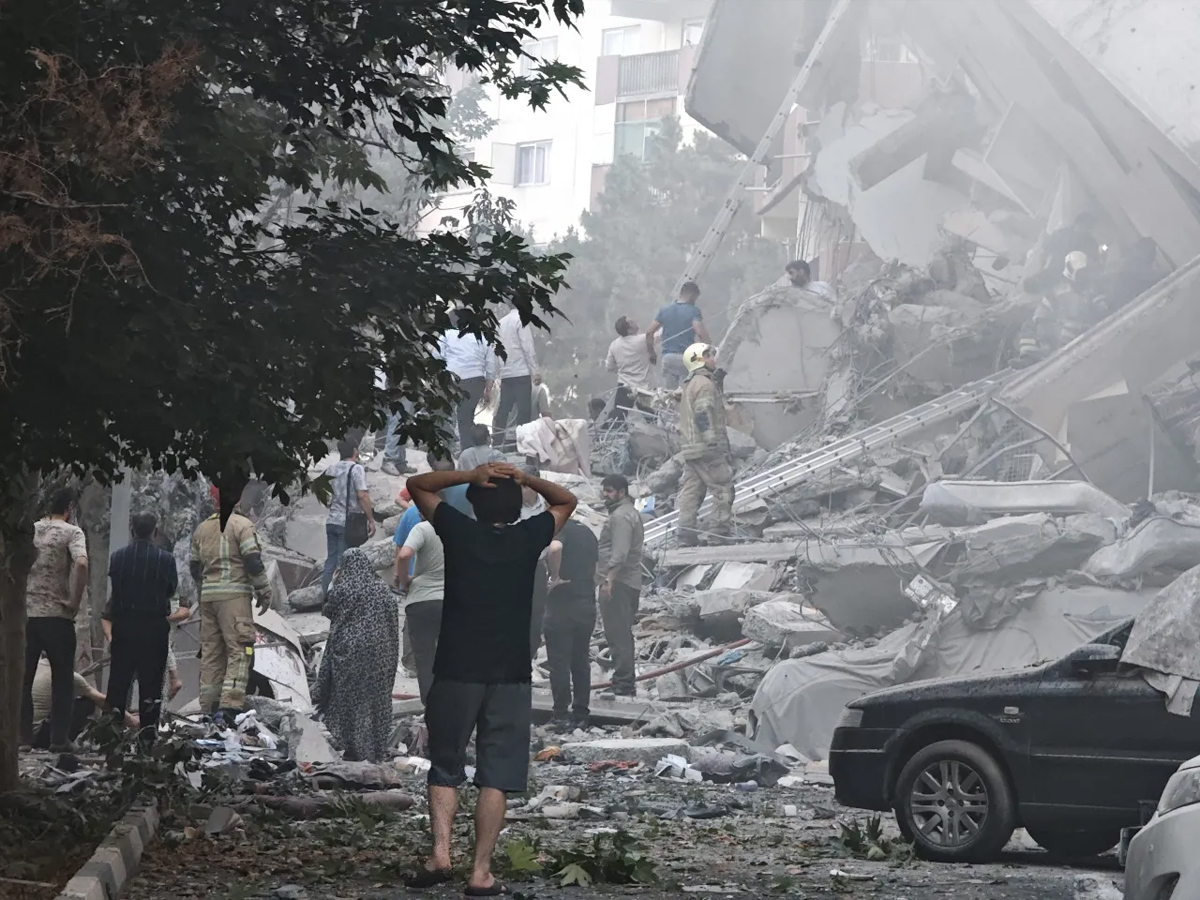
The death toll rose in Iraq on Saturday after a powerful airstrike hit a military base housing a pro-Iran armed group, killing at least two people and injuring several others. The attack comes as tensions across the Middle East sharply escalate following confirmed US and Israeli strikes on Iran, raising fears that the conflict could spread across the region.
Iraqi security officials said the strike targeted the Jurf al-Nasr area, formerly known as Jurf al-Sakher, a strategic zone south of Baghdad. The base forms part of the infrastructure of the Popular Mobilisation Forces, a powerful umbrella group integrated into Iraq’s formal security apparatus but known for hosting Iran-aligned factions.
Iraqi Base Attack: What Happened and How Many Were Killed
According to Iraq’s security media cell, the base came under attack at 11:50 am (0850 GMT) after multiple airstrikes hit the area. Authorities confirmed that two people were killed and three others were wounded. The Popular Mobilisation Forces later acknowledged the casualties and said emergency teams rushed the injured to nearby hospitals.
A source from Kataeb Hezbollah, which maintains a strong presence at the base, said the group lost fighters in the strike, stating: “There are two martyrs from Kataeb and another five wounded in the aggression on the Jurf al-Nasr base.”
Which Group Controls the Jurf al-Nasr Base?
The Jurf al-Nasr military site officially belongs to the Popular Mobilisation Forces, also known as Hashed al-Shaabi. While the PMF operates under the Iraqi state, the base largely hosts Kataeb Hezbollah, one of the most influential and heavily armed pro-Iran factions in the country.
Kataeb Hezbollah operates several brigades within the PMF framework but often acts independently. The group is part of Iran’s so-called “axis of resistance,” which includes militias operating across Iraq, Syria, Lebanon, and Yemen.
Who Carried Out the Strike?
Iraqi officials have not confirmed who launched the airstrikes. A senior PMF source said: “It is not clear yet if the attack was carried out by the Americans or the Israelis”. The uncertainty highlights the growing complexity of the conflict as multiple countries engage militarily across borders.
The strike followed coordinated US-Israel attacks on Iran, which have already triggered regional fallout.
US-Israel Strikes on Iran Fuel Regional Escalation
The bombing in Iraq occurred shortly after Donald Trump confirmed that the United States had begun major military operations against Iran alongside Israel. Trump vowed to destroy Iranian naval and missile capabilities and warned of severe consequences if Tehran retaliates.
These developments have placed Iran-aligned groups across the region on high alert, with Iraq increasingly becoming a flashpoint due to the presence of US forces and powerful militias.
Kataeb Hezbollah Issues War Warning
Just days before the strike, Kataeb Hezbollah warned Washington of serious consequences if a broader war erupted. The group cautioned the US of “immense losses” and urged its fighters “to prepare for a potentially long war of attrition”.
With casualties now reported on Iraqi soil, analysts warn that further attacks could draw Iraq deeper into the conflict, threatening regional stability.
As investigations continue and tensions rise, Iraqi authorities face mounting pressure to prevent further escalation. With pro-Iran groups vowing resistance and US and Israeli forces expanding operations, the risk of additional strikes — and a higher death toll — remains dangerously high.




