
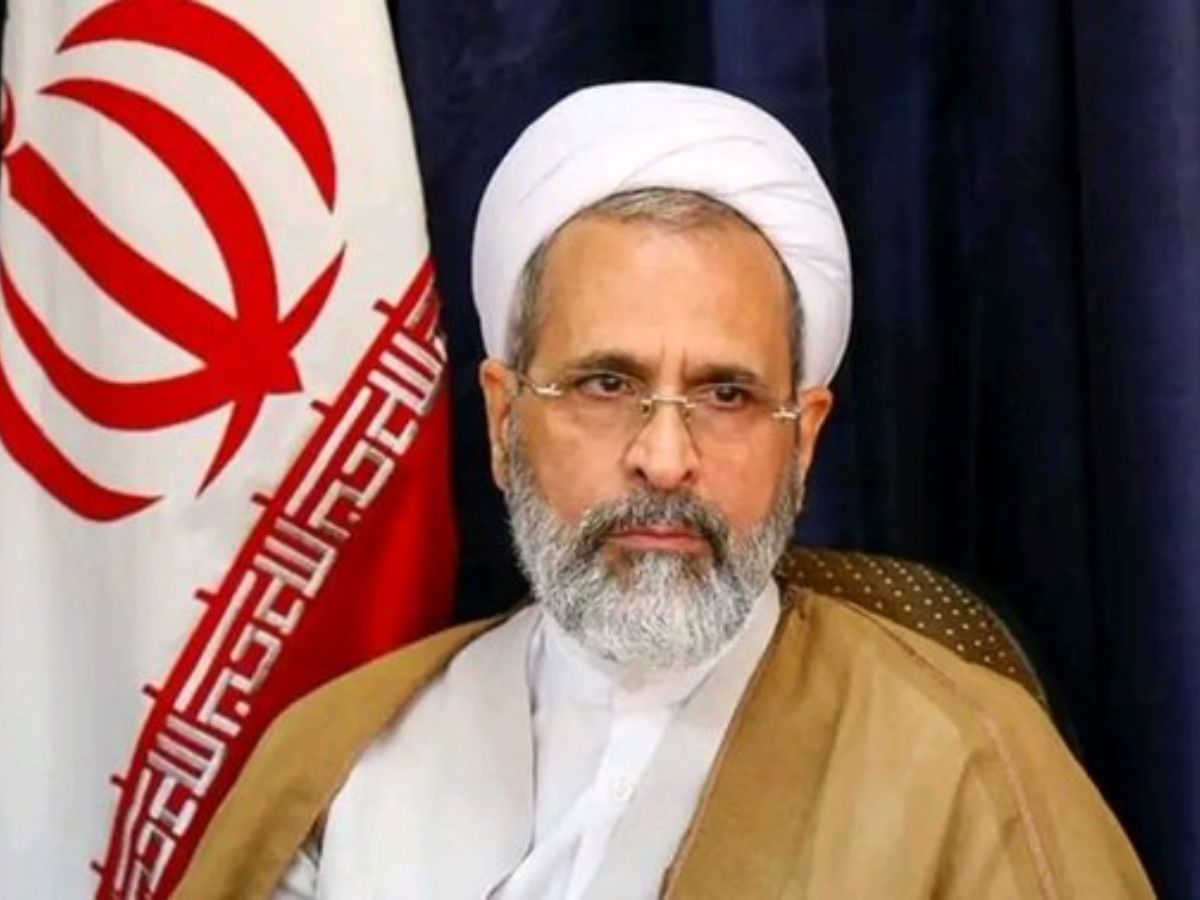
Iran has entered a critical transition period after the reported death of its long-time Supreme Leader, Ayatollah Ali Khamenei. In response, senior cleric Alireza Arafi has been named part of an interim leadership arrangement to guide the country until a permanent successor is chosen.
The move aims to prevent instability and ensure that Iran’s political and religious system continues to function smoothly during a sensitive moment.
Who is Alireza Arafi? Interim Supreme Leader of Iran
Alireza Arafi is a powerful Iranian cleric with deep roots in the country’s religious and political institutions. He serves as a member of the Guardian Council, a body that reviews laws and approves election candidates. He is also a member of the Assembly of Experts, the group responsible for choosing Iran’s Supreme Leader.
In addition, Arafi heads the Basij, a large volunteer paramilitary organization, and has previously led major religious institutions in Qom, Iran’s most important clerical city. Because of his strong institutional background and close ties to key power centres, many analysts had already considered him a possible successor to Khamenei. His appointment to the interim leadership structure reflects his influence and experience.
Iran Supreme Leader News: Why Arafi’s Appointment Matters After Khamenei’s Death?
Khamenei ruled Iran for nearly four decades and held ultimate authority over the country’s military, judiciary, and foreign policy. His death created a sudden leadership vacuum at the top of Iran’s political system.
By selecting Arafi for the interim leadership role, Iran’s clerical establishment signals that it wants continuity rather than sudden change. Arafi represents the conservative religious structure that has guided Iran since the 1979 Islamic Revolution.
His appointment reassures supporters of the system that the country will not drift away from its ideological foundations during the transition.
Ayatollah Ali Khamenei Death
Iranian state media reported that Ayatollah Ali Khamenei died following coordinated strikes that targeted senior Iranian leadership and military infrastructure. His reported death marks one of the most dramatic moments in Iran’s modern political history.
Khamenei became Supreme Leader in 1989 after the death of Ayatollah Ruhollah Khomeini. Over the years, he shaped Iran’s domestic policies, strengthened its regional alliances, and maintained a firm stance against Western influence. His passing not only affects Iran internally but also reshapes the balance of power across the Middle East.
Ayatollah Ali Khamenei Cause of Death
Reports indicate that Khamenei died as a result of targeted airstrikes that hit key leadership sites. Iranian media described the attack as part of a broader military operation aimed at Iran’s command structure.
The circumstances surrounding his death have intensified regional tensions. Iran has vowed retaliation, and global leaders are closely monitoring the fallout. The cause of death, linked to military strikes, makes this transition far more sensitive than a natural succession process.
Interim Leadership Council: Structure and Purpose
Iran’s constitution provides a clear mechanism when the Supreme Leader’s position becomes vacant. A temporary leadership council assumes responsibilities until a permanent leader is chosen.
This council includes the president, the head of the judiciary, and a senior cleric from the Guardian Council. Alireza Arafi currently fills the clerical role within this structure. The council’s purpose is to maintain stability, oversee governance, and prevent political confusion while the Assembly of Experts prepares to select the next Supreme Leader.
How Interim Supreme Leader Get Selected?
The interim arrangement follows constitutional rules. When the Supreme Leader dies or becomes unable to perform his duties, a temporary council immediately takes over. This ensures there is no gap in authority.
The permanent successor will be chosen by the Assembly of Experts. This body consists of senior clerics elected by the public but vetted by the Guardian Council. They will meet to evaluate candidates and appoint a new Supreme Leader. The process can take time, but it is designed to maintain religious and constitutional legitimacy.
What This Means for Iran’s Power Balance?
The Supreme Leader holds the highest authority in Iran’s political system. He controls the armed forces, influences judicial decisions, and sets overall policy direction. A leadership transition, therefore, affects every part of the government.
Arafi’s involvement suggests that conservative religious authorities continue to dominate Iran’s power structure. It also shows that the clerical establishment intends to manage the transition internally without outside influence. This approach aims to maintain unity among Iran’s political factions and avoid internal power struggles.
Iran Supreme Leader News: Internal & External Reactions to the Transition
Inside Iran, officials have emphasised unity and stability. Leaders have presented the interim council as proof that the Islamic Republic’s institutions remain strong despite the shock of losing its top figure.
Internationally, reactions have been cautious. Regional powers and Western governments are watching closely to see whether Iran’s foreign policy stance will change under new leadership. Many analysts believe that continuity is likely, especially given Arafi’s close alignment with existing power structures.
The coming weeks will prove crucial. The choice of a permanent Supreme Leader will shape Iran’s domestic governance, its military strategy, and its relations with the wider world.




