
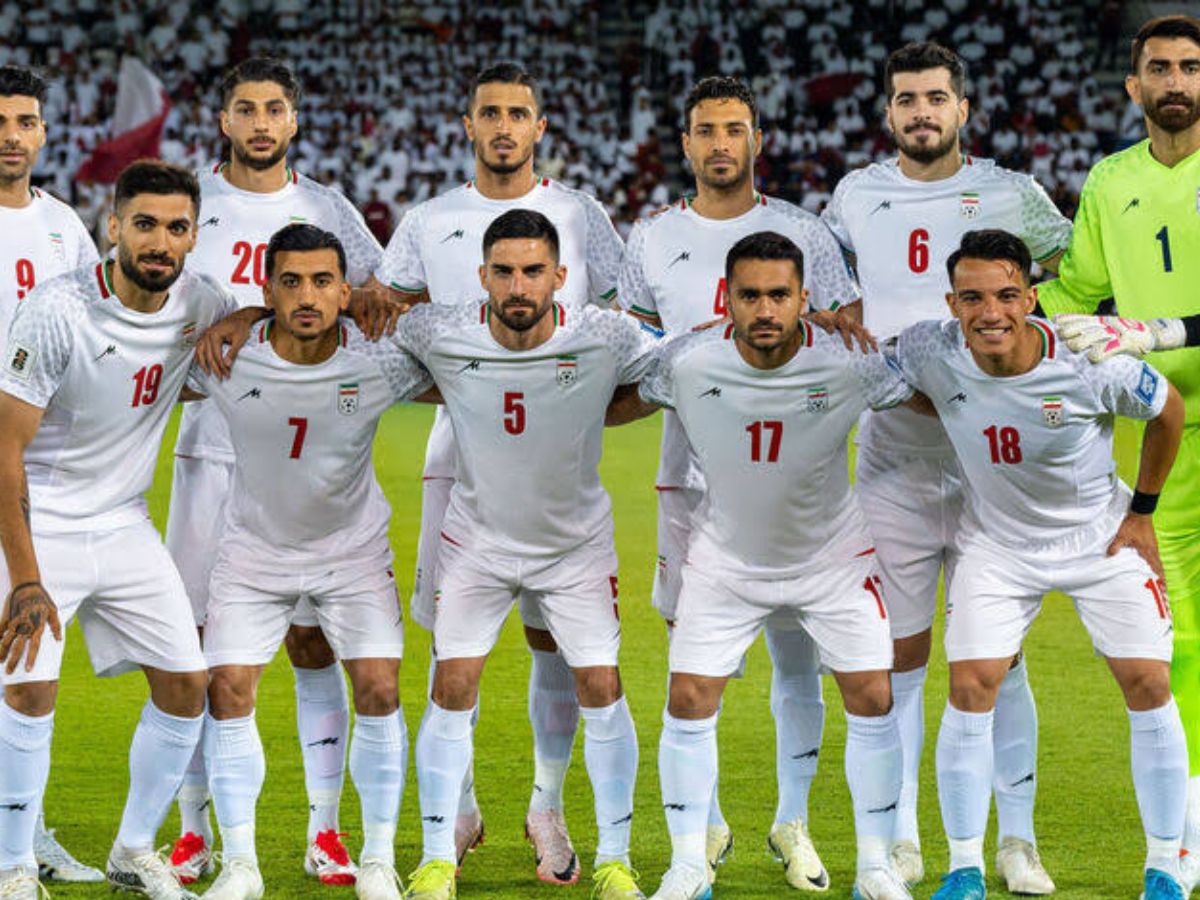
Sunday brought dark clouds over Iran’s FIFA World Cup 2026 hopes after sudden military actions shook the country. Not long ago, peace seemed possible, yet now matches feel like distant thoughts. Mehdi Taj, head of the federation, spoke to Varzesh3 without hiding his concern, calm feels out of reach. U. S. and Israeli attacks changed everything; dreams of stadiums filled with cheers are fading fast. One event tipped the scale: Ayatollah Khamenei’s passing stirred unrest across cities and towns.
Inside clubs, silence replaced chants; the local league stopped mid-season without warning. Players wait, unsure if they will ever wear those jerseys under bright lights again. Months slip by toward kickoff, but preparation seems less likely each day. No one knows what comes next for Group G as borders tighten and alarms sound. FIFA watches closely, not only for scores, but for signs of danger among teams worldwide.
A Crisis Beyond Sport: Mehdi Taj On The “Hope” Of Participation
At the heart of all this is the open clash between the United States, one of the host countries, and Iran. Mehdi Taj, in interviews on state TV and with local reporters, pointed out just how much the mood has changed. “After this attack, we can’t possibly look forward to the World Cup with any real hope,” Taj said. The political and psychological atmosphere has taken a sharp turn.
This uncertainty is compounded by several factors:
-
Iran is scheduled to play all three of its group-stage matches on US soil. Two in Los Angeles and one in Seattle. The federation has questioned the safety and feasibility of sending its delegation to a country currently involved in direct military action against them.
-
Rerouted flight paths and airspace closures in the Middle East have already complicated travel for international athletes.
-
The Iranian league has been halted indefinitely, affecting both local stars and high-profile foreign players like Antonio Adán and Munir, many of whom are reportedly attempting to leave the country.
Also Read: Will FIFA Ban The USA? What The Escalating Iran Conflict Means for the World Cup 2026




