
The Iran‑Israel war has dramatically disrupted key energy infrastructure across the Middle East, forcing shutdowns of major refineries, oil fields and gas platforms in several countries.
A precautionary closure at Saudi Arabia’s massive Ras Tanura refinery, output halts in Iraqi Kurdistan and stoppages at Israeli offshore gas fields have worsened fears of a deepening energy crisis.
These disruptions come as regional airspace and shipping through the Strait of Hormuz, which is responsible for nearly a fifth of global oil flows, slow amid escalating military activity, prompting sharp increases in global crude prices.
Iran-Israel War: Saudi Arabia Ras Tanura Refinery Shut After Drone Strike
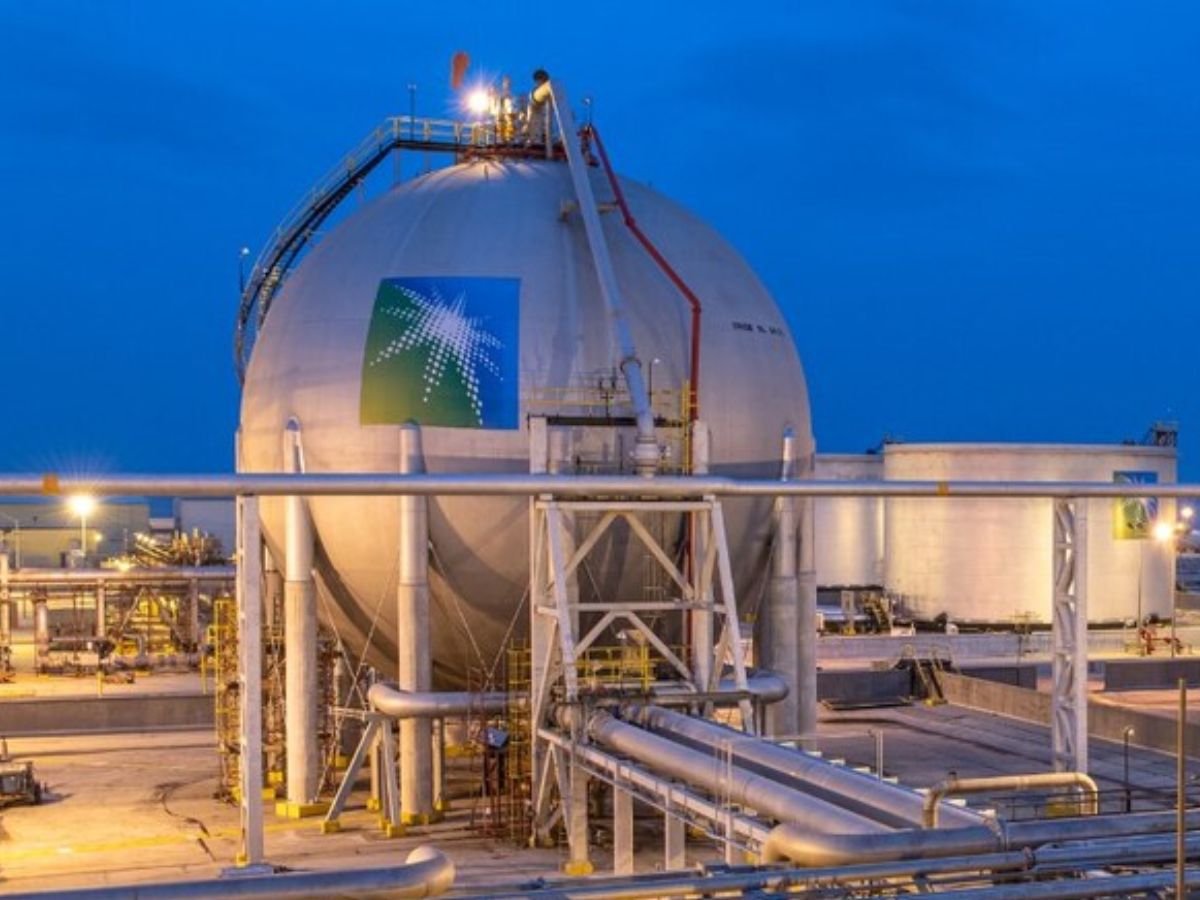
Saudi Arabia temporarily shut its largest domestic oil refinery, Saudi Aramco’s Ras Tanura facility, capable of processing about 550,000 barrels per day, following a reported drone attack that triggered a small fire. Although the blaze was quickly brought under control and no injuries were reported, precautionary measures forced parts of the complex offline.
JUST IN: 🇸🇦 Iran strikes Saudi Arabia’s Aramco Ras Tanura oil refinery. pic.twitter.com/eTmPGRFAY5
— BRICS News (@BRICSinfo) March 2, 2026
Two drones were intercepted at the facility, and debris from the interception caused the fire, according to a Saudi defence ministry spokesman. Ras Tanura, located along the Arabian Gulf coast, also serves as a key export terminal for Saudi crude, making its temporary closure particularly significant for global supply chains.
Iran-Israel War: Saudi Oil Hub Aramco Halts 550,000 bpd
Saudi Arabia’s Ras Tanura refinery, operated by Saudi Aramco, temporarily halted production following a drone strike on Monday. The facility, capable of processing 550,000 barrels per day (bpd), is a key energy hub on the kingdom’s Gulf coast and serves as a critical export terminal for Saudi crude.
Two drones were intercepted at the site, and debris caused a limited fire, though authorities confirmed no injuries. Several refinery units were shut as a precautionary measure. The closure comes amid a wave of regional strikes across the Middle East, including Iranian retaliation targeting multiple Gulf countries.
The shutdown adds to global supply concerns as shipping through the Strait of Hormuz — which carries about a fifth of the world’s oil — has slowed due to regional tensions, pushing Brent crude prices up roughly 10% to over $82 per barrel. Analysts say the interruption underscores the vulnerability of Gulf energy infrastructure amid escalating conflicts.
Iran-Israel War: Iraqi Kurdistan Oil Fields Halt Output Precautionarily
In Iraqi Kurdistan, several major oil fields that previously exported about 200,000 barrels per day via pipeline to Turkey were shut down as operators paused production due to security concerns. Companies affected include DNO, Gulf Keystone Petroleum, Dana Gas and HKN Energy, even though no direct damage to equipment was reported.
The halt compounds supply worries from one of the region’s important producers, amplifying concerns over longer‑term flow disruptions if the conflict continues to escalate.
Iran-Israel War: Israeli Gas Fields Also Suspended Amid Hostilities
Offshore Israel, major gas production facilities also stopped operations amid the widening conflict. The Chevron‑operated Leviathan gas field was temporarily shut, and other smaller platforms maintained by companies such as Energean halted production.
While no immediate damage has been confirmed at these fields, their closure adds to the growing list of globally significant energy assets taking precautionary steps to avoid the risks associated with ongoing strikes.
Iran-Israel War: Strait of Hormuz Tensions Disrupt Exports & Raise Prices
The attacks come as shipping through the Strait of Hormuz, a chokepoint through which about 15–20% of the world’s crude oil and gas passes daily, has slowed significantly amid reports of vessel threats and attacks. A near‑halt in tanker movements has rattled markets and heightened fears of sustained supply shock.
Oil markets responded quickly: Brent crude futures surged roughly 10%, topping $82 a barrel in early trading and marking some of the sharpest gains seen in years on fears of supply interruption.
Analysts warn that further disruption to oil flows through the Gulf — especially if the Hormuz route is effectively blocked — could push prices even higher, potentially beyond $100 per barrel, deepening inflationary pressures globally.
Iran-Israel War: Impact on Global Supply & Shipping Routes
Shipping companies have reacted cautiously, with some vessel owners and carriers pausing transit through the strait and rerouting around Africa’s Cape of Good Hope — a move that adds weeks and extra costs to delivery times. Increased war‑risk insurance premiums and logistical challenges are also affecting globally connected markets.
The surge in crude prices has also triggered volatility in stock markets, with energy and inflation fears weighing on broader financial indices. Investors are closely watching how extended shutdowns of critical infrastructure could influence global supply and fuel prices.
Iran-Israel War: What This Means for Energy‑Dependent Nations?
Countries heavily dependent on Middle Eastern energy, including many in Europe and Asia, face mounting concerns over fuel and production costs. Reduced exports from key Gulf producers, combined with pressure on the Strait of Hormuz, threaten tighter balances between supply and demand, which could translate to higher prices for gasoline, diesel, and industrial fuels worldwide.
Economists warn that sustained higher crude prices would not only spur fuel costs but also add to inflationary pressures across markets already contending with rising consumer prices, transportation expenses and elevated freight costs.
Iran-Israel War: Riyadh, OPEC+ & Supply Response
In response to the heightened tensions, some members of OPEC+ have announced plans to incrementally increase production in the coming months, aiming to offset some supply gaps. However, with major infrastructure under threat and tanker traffic constrained, these efforts may offer limited relief in the short term.
As the energy crisis unfolds, the global economy remains sensitive to developments in the Middle East, with geopolitical risk now a key driver of market dynamics and policy debates.




