
The ongoing conflict between Israel and Iran has created one of the most disruptive periods in global aviation since COVID-19, leading to widespread airspace closures and shutdowns of major Middle Eastern airport hubs.
Countries across the Gulf Cooperation Council (GCC), including the United Arab Emirates, Qatar, Bahrain, Kuwait and Iraq, shut their skies to civilian flights as regional tensions escalated.
This caused major transit airports like Dubai International Airport, Abu Dhabi International Airport and Hamad International Airport (Doha) to halt normal operations for days, stranding thousands of passengers and cancelling flights worldwide.
While governments and airlines are now cautiously reopening limited services to clear backlogs, most Middle Eastern air routes remain highly uncertain and subject to rapid change amid security risks.
Iran-Israel Latest Update: Middle East Airspace & Airport Status (Open/Closed)
Airspace losures Across the Middle East
Due to escalating military strikes involving Iran, Israel and allied forces, airspace over large parts of the Middle East remains closed or heavily restricted for civilian flights.
Countries including Iran, Israel, Iraq, Kuwait, Qatar, Bahrain and the UAE have shut at least parts of their skies, forcing airlines to cancel and reroute flights across global routes. This disruption has made traditional east‑west air corridors unsafe for normal operations.
Completely Closed Airports / Airspace
Several major commercial airport hubs remain closed to normal operations:
- Dubai International Airport (DXB) – Suspended flight operations due to regional airspace closures.
- Dubai World Central (DWC) / Al Maktoum International – Also suspended with no scheduled commercial flights.
- Abu Dhabi International Airport (UAE) – Airspace closures led to suspension or heavy restrictions on normal activities.
- Hamad International Airport (Doha, Qatar) – Qatar’s airspace closure forced Qatar Airways to halt operations, with resumption only once authorities announce a safe reopening.
- Airspace over Iran, Iraq, Kuwait, Bahrain and Israel – These countries have largely closed civilian airspace due to security risk, making flights unsafe or unavailable.
Partially Open / Limited Operations
Some controlled activity is beginning in very limited formats:
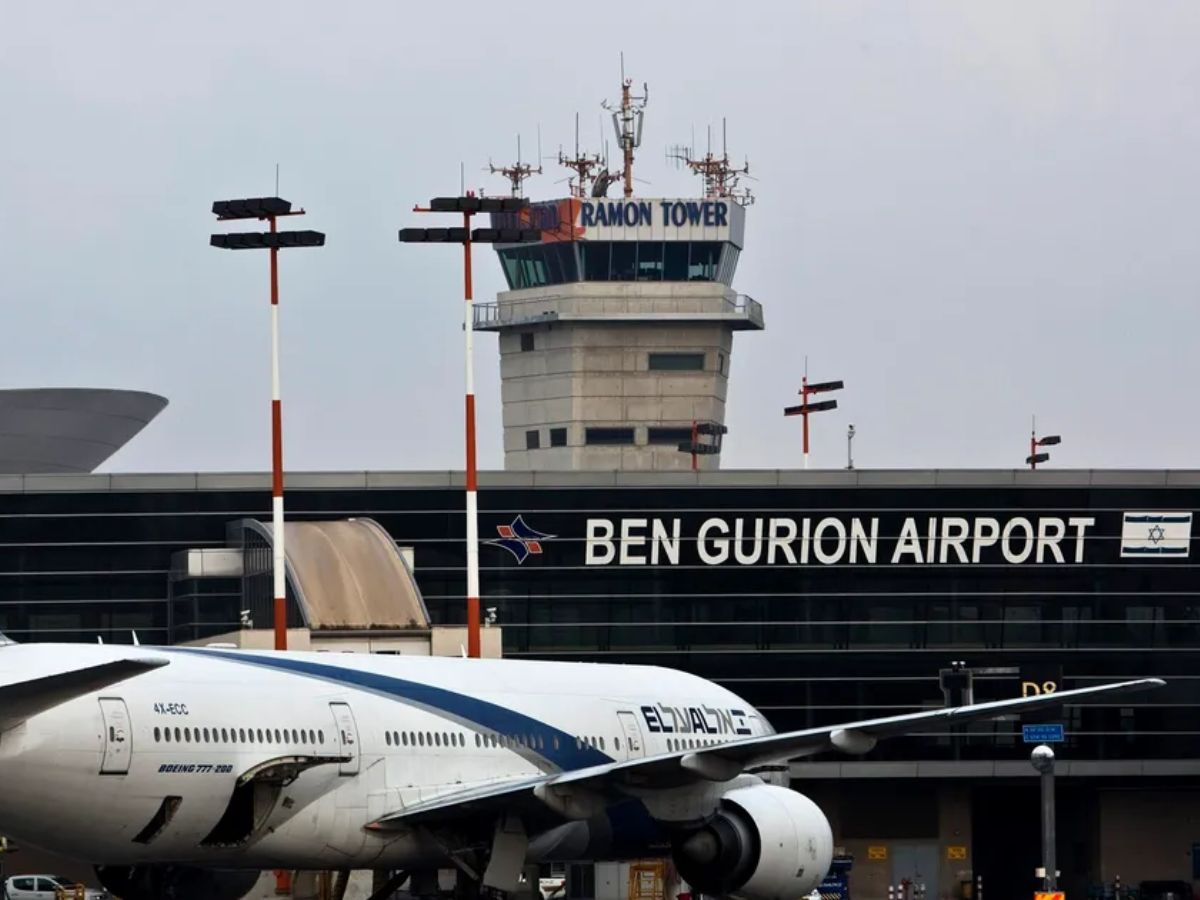
- Ben Gurion Airport (Tel Aviv, Israel) – Set to reopen in an extremely limited format with only select carrier operations initially, expanding gradually based on security assessments.
- Repatriation / Evacuation Corridors – Gulf states, including the UAE, are allowing a restricted number of repatriation and cargo flights under strict civil aviation oversight, primarily to help stranded travellers leave or return home.
Iran-Israel War: Key Airports Affected Region-Wide
- Dubai International Airport (UAE) – Suspended
- Dubai World Central (UAE) – Suspended
- Abu Dhabi International Airport (UAE) – Suspended / Restricted
- Hamad International Airport (Qatar) – Suspended
- Ben Gurion Airport (Israel) – Limited Reopen
- Kuwait International Airport – Closed
- Bahrain International Airport – Closed
- Other GCC / regional hubs – Closed or limited based on safety notices
Iran-Israel War: Airspace Notes
The airspace over Iran, Iraq, Kuwait, Bahrain, Qatar, the UAE and Israel largely remains closed to civilian flights, making standard east–west and international air routes unsafe or unavailable.
Some countries permit only medical, military or specific evacuation flights under strict supervision, but regular commercial flights are mostly suspended.
Iran-Israel Latest Update: Flight Status in Abu Dhabi & Dubai: Limited Ops Restart
After several days of minimal movement due to sweeping airspace closures, major UAE hubs have cautiously restarted limited flight services:
Abu Dhabi International Airport resumed a restricted schedule, with some departures and arrivals operating under strict oversight.
Dubai International Airport (DXB) and Dubai World Central (DWC) also restarted limited operations late on March 2, but airlines stress that schedules remain very fluid and passengers should not travel without confirmed departure notices.
“Passengers must not travel to the airport unless they have received a confirmed departure time directly from their airline, as schedules remain subject to change.” These phased resumptions focus primarily on repatriation or cargo services, with full commercial schedules still unavailable in many sectors.
Iran-Israel Latest Update: Other UAE Airports Showing Mixed Flight Status
Outside Dubai and Abu Dhabi, other UAE airports are showing signs of selective operation:
Sharjah International Airport reported scheduled flights to international destinations such as Krakow, Bahrain, Dammam and Moscow, reflecting pockets of resumption even amid broader disruption.
Ras Al Khaimah International Airport also announced a slate of services, particularly via Air Arabia, despite the overall regional unpredictability.
These pockets of activity indicate a staggered return to services, largely focused on operational necessity and safety clearances rather than full commercial travel.
Flight Status in India: What’s Operating & What’s Cancelled
India’s international flight network has felt the shockwaves of the Middle East closures profoundly. Several major carriers altered or suspended services to and from West Asia in response to evolving airspace restrictions:
IndiGo announced a limited resumption with special repatriation flights from Jeddah to Indian cities on March 3 to help passengers affected by the disruptions.
Etihad Airways initiated selected relief flights from Abu Dhabi to major Indian destinations, including Delhi, Mumbai, Kochi and Bengaluru, early in the week after limited operations resumed.
Emirates reinstated services between Dubai and multiple Indian cities, covering March 2 and 3, as part of restart efforts following airspace reopenings.
However, not all carriers have returned to normal schedules. Air India and Akasa Air have kept flights to several West Asian destinations suspended until at least March 3, while Air India Express has resumed only a handful of routes, such as Muscat, amid ongoing restrictions.
Iran-Israel War: Cancellations Across Major Indian Airports
The disruptions have translated into significant cancellations at India’s busiest airports:
Delhi’s Indira Gandhi International Airport reported a large number of cancellations on routes that typically pass through Middle East airspace due to rerouting requirements and safety precautions.
Major cities such as Mumbai also saw flights cancelled both domestically and internationally as airlines deferred services while clear airspace corridors remain limited or unavailable.
Airlines like SpiceJet publicly cancelled multiple India-UAE connections on March 2 and 3, citing the “UAE airspace closure” as the reason for the disruptions.
Across India, passengers were urged to confirm flights before heading to the airport, with carriers offering refunds or rebooking options for cancelled services.
What Travellers Need to Know?
In the current climate, air travel remains volatile:
- Check with your airline directly before heading to the airport; confirmed departure times should be your primary reference.
- Many flights remain cancelled or are operating under temporary permits; schedules change rapidly based on airspace conditions.
- Refunds and flexible rebooking options are widely available from affected airlines.
Given the ongoing Israel-Iran conflict and its impact on the surrounding airspace, passengers are strongly advised to monitor official airline updates and civil aviation advisories to avoid surprises.




