
Meningococcal infection is a dangerous bacterial illness that results from Neisseria meningitidis bacteria. The illness can lead to two life-threatening illnesses, which include meningitis and septicemia. The infection develops quickly and needs urgent medical treatment.
What is Meningococcal Infection?
Meningococcal disease happens when Neisseria meningitidis bacteria infect the bloodstream or brain tissues. The bacteria normally stay in the nasal and throat areas of people, but they can sometimes penetrate the body and create severe health problems.
Meningococcal Infection Symptoms
The first symptoms of the disease appear within two to three days after a person becomes infected. The common symptoms which people experience include:
- Sudden high fever
- Severe headache
- Stiff neck
- Nausea or vomiting
- Sensitivity to light
- Confusion or difficulty concentrating
- Skin rash with red or purple spots
Meningococcal Infection Causes
The infection occurs when the bacterium Neisseria meningitidis enters the body. The bacteria can flow from the throat to the bloodstream or brain and create serious medical problems.
Meningococcal Infection Prevention
Prevention mainly involves:
- Meningococcal vaccination
- Regular hand washing
- Avoiding sharing drinks or utensils
- Practicing good respiratory hygiene
Meningococcal Infection Home Remedies
There are no home remedies that can effectively treat meningococcal infection. People can support their recovery from the disease through hydration and rest combined with medical treatment while they monitor their symptoms.
Meningococcal Infection Treatment
Doctors use antibiotics to treat meningococcal disease, which requires hospitalization and supportive treatments that include oxygen therapy and blood pressure medication.
How Do People Get Meningococcal Disease?
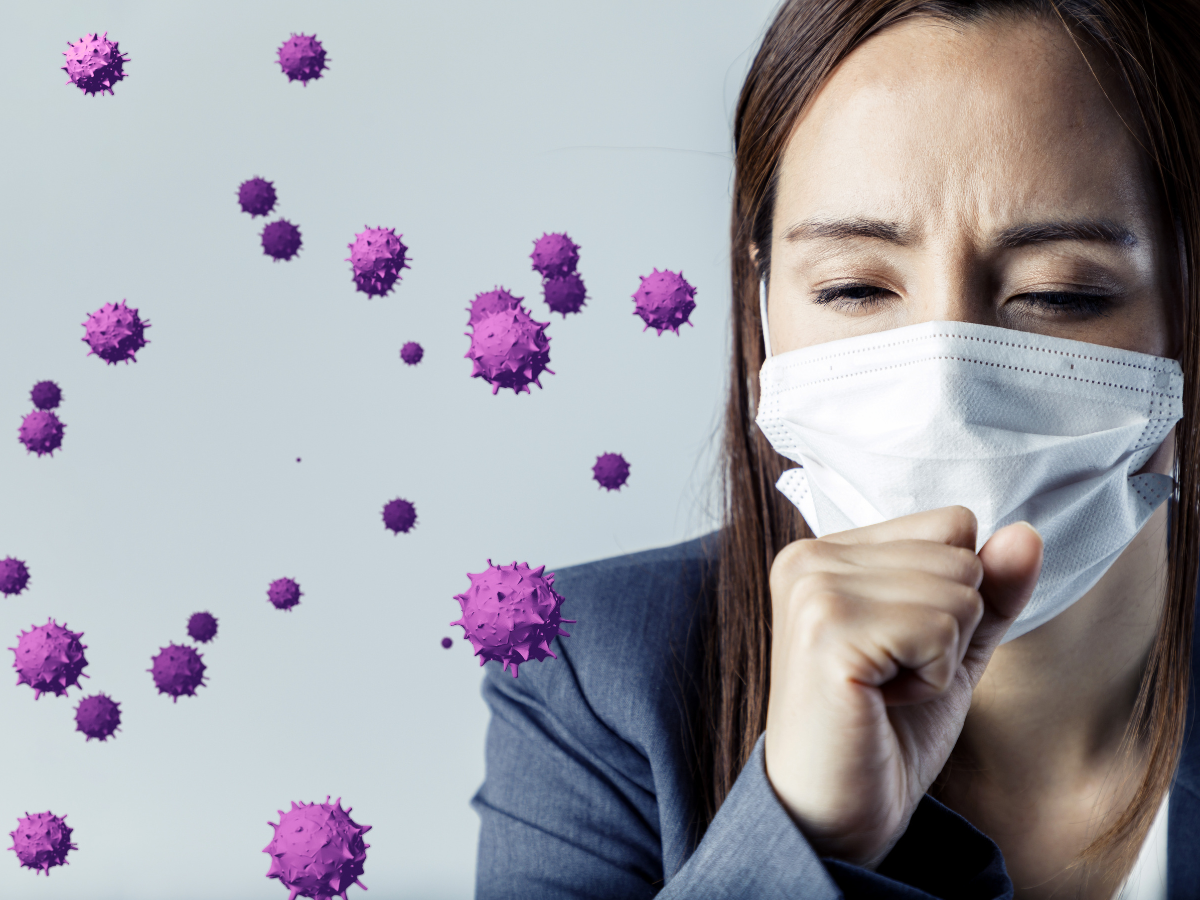
People contract the bacteria when they breathe in droplets or share saliva through close contact activities, which include kissing and coughing, as well as living in the same space.
Meningococcal Infection Risk Factors
The major risk factors of the study include three elements:
- Lack of vaccination
- People who reside in congested environments, such as dormitories
- People who have a weakened immune system
- The age group from young children to teenagers
Meningococcal Infection Complications
The disease can lead to multiple severe medical conditions, which include brain damage, hearing loss, seizures, and organ failure and death when left untreated.
Meningococcal infection is a rare disease that presents great danger to those who contract it. Early diagnosis, vaccination, and prompt treatment are essential to prevent serious complications and save lives.
Disclaimer: This article is informational only and not medical advice. Consult a qualified healthcare professional for diagnosis, treatment, or medical concerns.




