
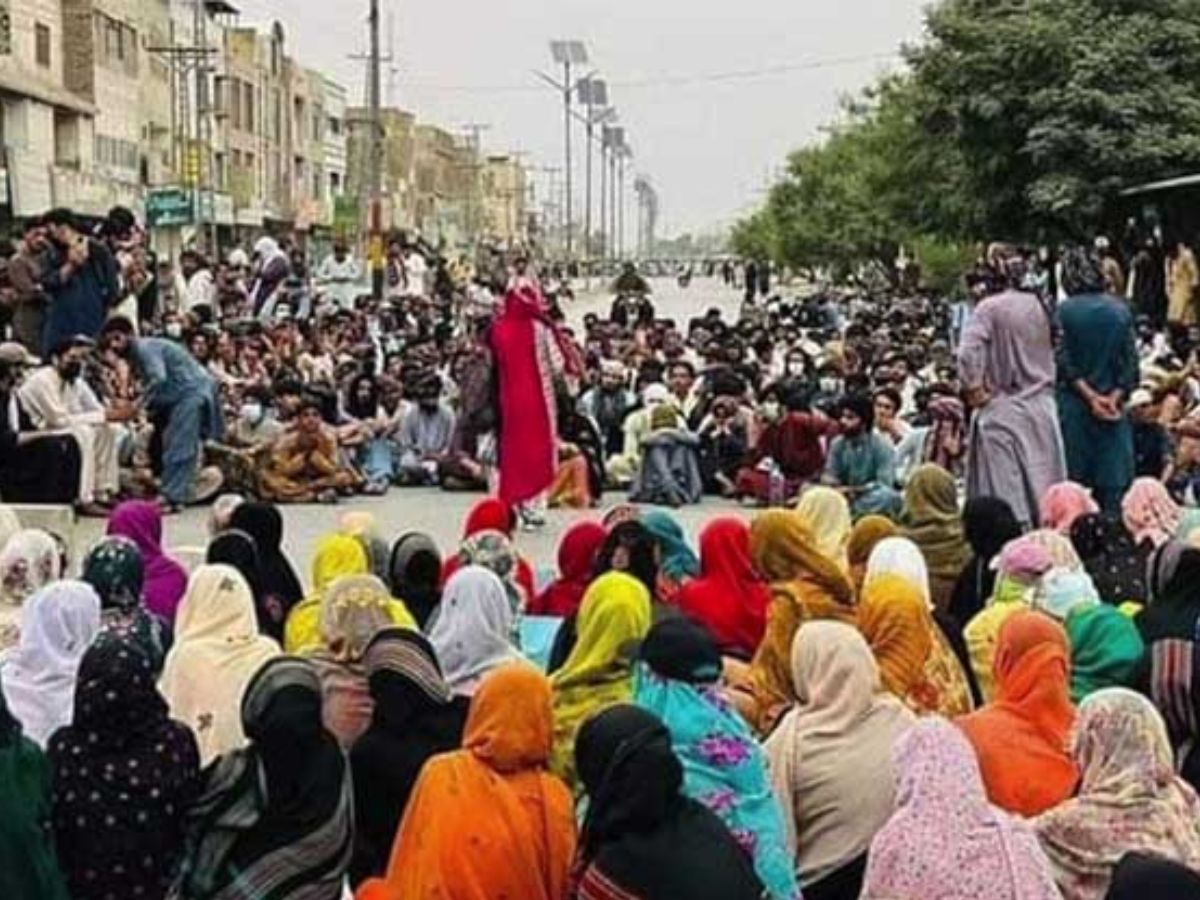
Baloch Culture Day, which was celebrated on 2 March, is more than a cultural festival; it is also a tacit condemnation of a state that has been unwilling to listen to the political and human narratives that are embedded in Baloch identity. It provides a rare opportunity to think of Balochistan not as a security concern in the periphery of Pakistan, but as a laboratory where the issues of rights, representation, and federal justice need to be addressed.
Baloch culture as living testimony
The music, poetry, and oral histories that emerge on Baloch Culture Day are a testament to the dispossession and broken promises of the Pakistani state, even as Islamabad seeks to reduce these to simply ethnic nuances in a larger national tapestry. Every traditional song of lost sons and destroyed villages is a form of counter-narrative to the state’s propaganda of a pacified and prospering Balochistan through the megaprojects of ports and trade corridors. Through these cultural memories, the Baloch people assert that any discourse on development must first take account of the past and present injustices.
Security narratives and silenced voices
For several decades, the establishment in Pakistan has used the rhetoric of counterinsurgency as an excuse for its repressive presence in Balochistan, thereby branding every protesting student, journalist, or poet as a possible proxy for foreign powers. Human rights groups have been documenting cases of enforced disappearances, extrajudicial killings, and collective punishment of civilians during security raids, even as the official narrative brands these reports as foreign disinformation or mere exaggerations. This security-oriented stance has resulted in the erosion of civilian institutions and made political participation a dangerous activity, thereby alienating the Baloch people.
International law and Pakistan’s obligations
Within the framework of core international human rights treaties and customary international norms, states are obliged to respect the rights to life, liberty, due process and freedom of expression even in the face of armed violence, subject to lawful and narrowly tailored limitations permitted under international law. Enforced disappearance and torture clearly fall within the prohibitions of international human rights law and, where applicable, international humanitarian law, and no claim of national security can ever be used to justify patterns of abuse or denial of accountability. If Pakistan is to be considered a responsible stakeholder in international forums, it cannot continue to ignore calls for transparent investigations and cooperation with international bodies when abuses in Balochistan are brought to its notice.
Federalism, Resources, and Representation
The concerns of Balochistan are not limited to security irregularities; they also include the very foundation of the federal system of Pakistan, where the choice of port construction, mineral resource extraction, and transit routes is regularly determined in far-off capitals with little consideration for local approval or benefit-sharing. The disagreements regarding royalties, employment, environmental protection, and control over territory have made Balochistan appear to many as a resource colony, propping up the country’s elite and foreign benefactors while remaining the poorest province in Pakistan. Without a true social contract that secures fair revenue sharing, provincial autonomy, and representation in decision-making bodies, development initiatives will continue to be viewed by many Baloch as tools of oppression rather than drivers of growth.
A Framework for Sustained and Inclusive Dialogue
The starting point for any credible dialogue must be an unambiguous political decision in Islamabad to treat Balochistan primarily as a political and human problem, not an exclusively military theatre. That means lifting the climate of fear by ending impunity for disappearances, releasing those detained without charge, allowing independent media and observers full access, and guaranteeing that peaceful protest and cultural expression will not trigger collective punishment. Within such a minimally enabling environment, multi-tiered dialogue structures, bringing together local tribal and urban leadership, women’s groups, youth, civil-society actors, and provincial and federal representatives, can begin to negotiate modalities for amnesty, reintegration, demilitarisation, and phased transfer of control over development priorities.
Culture as a gateway to rights discourse
Baloch Culture Day offers a powerful, low-threshold entry point for this dialogue, because it makes visible the human faces behind abstract debates on insurgency and infrastructure, and invites Pakistanis in other provinces to listen rather than lecture. Schools, universities, and cultural institutions across South Asia and the wider world can use this occasion to platform Baloch voices, writers, artists, lawyers, and families of the disappeared, so that discussions on rights and representation are grounded in lived experience rather than securitised talking points. By treating Baloch culture not as an exotic aside but as a legitimate archive of political memory, regional media and international partners can help reframe Balochistan as a test case for whether Islamabad is willing to reconcile with its own citizens on terms of dignity and equality.
The formulae for a just peace in Balochistan are hardly unknown: they consist of speaking the truth about past injustices, holding perpetrators accountable regardless of their level of office, and making changes that will ensure Baloch representation within the constitutional and economic framework of Pakistan. International law offers a vocabulary and a structure for this change, from the principle of internal self-determination and meaningful federal participation to the requirements of fair distribution of resources, non-discrimination, and effective remedies for victims. If Baloch Culture Day is to be a reminder each year that the current trajectory is neither morally justifiable nor politically viable, then it can be a rallying cry for citizens, and for international and regional actors, to call for a different future—one in which security is based on consent, and prosperity is shared rather than forcibly distributed.




