
Iran-Israel-US Latest Update: The white house has made it clear that the US Navy has not been escorting any oil tanker around the Strait of Hormuz, refuting a post on social media by the US Energy Secretary Chris Wright, since he has deleted the post. Its announcement has come at a sensitive time with the situation in the Middle East upsetting the energy markets and casting doubts on the security of one of the most vital oil shipping corridors in the world.
Iran-Israel-US Latest Update: Confusion Over the Deleted Social Media Post
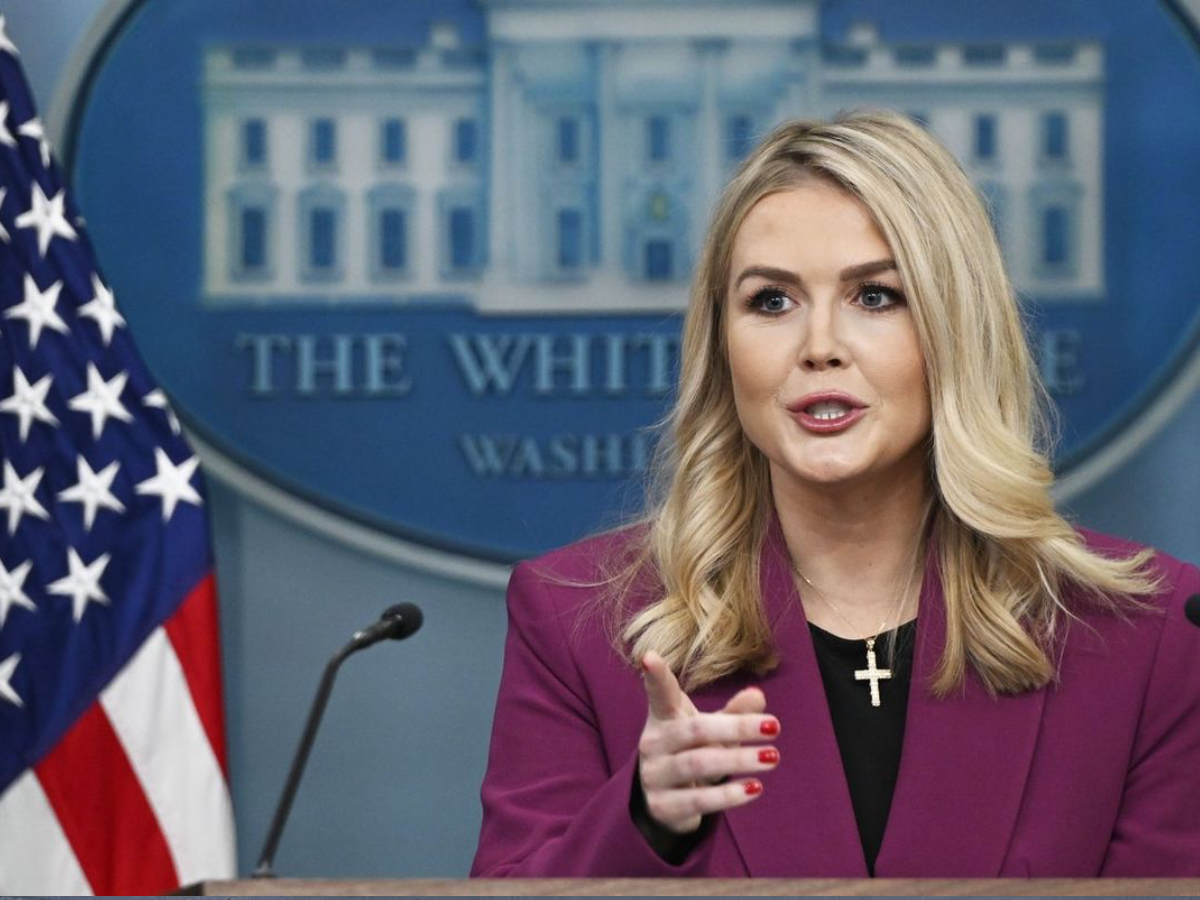
The dispute started when Chris Wright posted in a social media message that the US Navy had already announced the passing of an oil tanker through the Strait of Hormuz. The post was, however, soon taken down. In a press briefing on March 10, the White House press secretary Karoline Leavitt explained that there was no such operation that had occurred. She mentioned that the administration had no further information regarding the reason as to why the post was made and then removed.
Iran-Israel-US Latest Update: White House Clarification on Naval Operations
Leavitt pointed out the fact that the US Navy has not yet sailed any vessel or tanker through the strategic waterway. But she also said that it is still a possibility in case the situation requires it. The administration believes that the president is still not restricted since he can use naval forces to protect shipping lanes in case threats escalate in the area.
Iran-Israel-US Latest Update: Why the Strait of Hormuz Matters
One of the key maritime trade routes in the energy trade of the world is the Strait of Hormuz. The Persian Gulf is a narrow channel through which close to 20% of global oil is daily transported to the global markets linking oil producers. Any form of interference with this path can easily cause price volatility and panic among the countries that import crude oil that relies on the Middle East.
Iran-Israel-US Latest Update: Impact on Global Oil Prices
The energy markets are already in the volatile stage due to the tensions around the strait. Recently, oil prices soared near to 120 levels per barrel due to the fear of interruption of shipping by the conflict in the region. Whereas the prices subsequently fell, experts caution that the unpredictability about the Strait of Hormuz still affects the world energy prices and the mood of investors.
Iran-Israel-US Latest Update: Possible Measures to Secure Shipping
According to the White House, there are various actions that could be taken to ensure that the waterway remains open. These are the insurance coverage of commercial tankers, amendments to some of the oil-related sanctions and possible military actions to ensure safe passage in case of necessity. Authorities indicate that it is aimed at ensuring that there is no long-run interference in the world energy resources and that the international markets remain stable.
FAQ’s: US Navy & Strait of Hormuz Situation
1. Did the US Navy escort any oil tankers through the Strait of Hormuz?
No. The White House confirmed that the US Navy has not escorted any tanker or vessel through the Strait of Hormuz so far.
2. Why did confusion arise about the naval escort?
Confusion began after US Energy Secretary Chris Wright posted on social media suggesting an escort had occurred, but the post was later deleted.
3. Why is the Strait of Hormuz important for global energy supply?
Nearly 20–30% of the world’s seaborne oil trade passes through this narrow waterway, making it one of the most critical energy routes globally.
4. Could the US Navy escort tankers in the future?
Yes. The White House said naval escorts remain an option if security risks increase or shipping in the region is threatened.
5. How are rising tensions affecting oil markets?
Geopolitical tensions around the Gulf have pushed Brent crude prices above $90 per barrel at times, causing sharp fluctuations in global energy markets.




