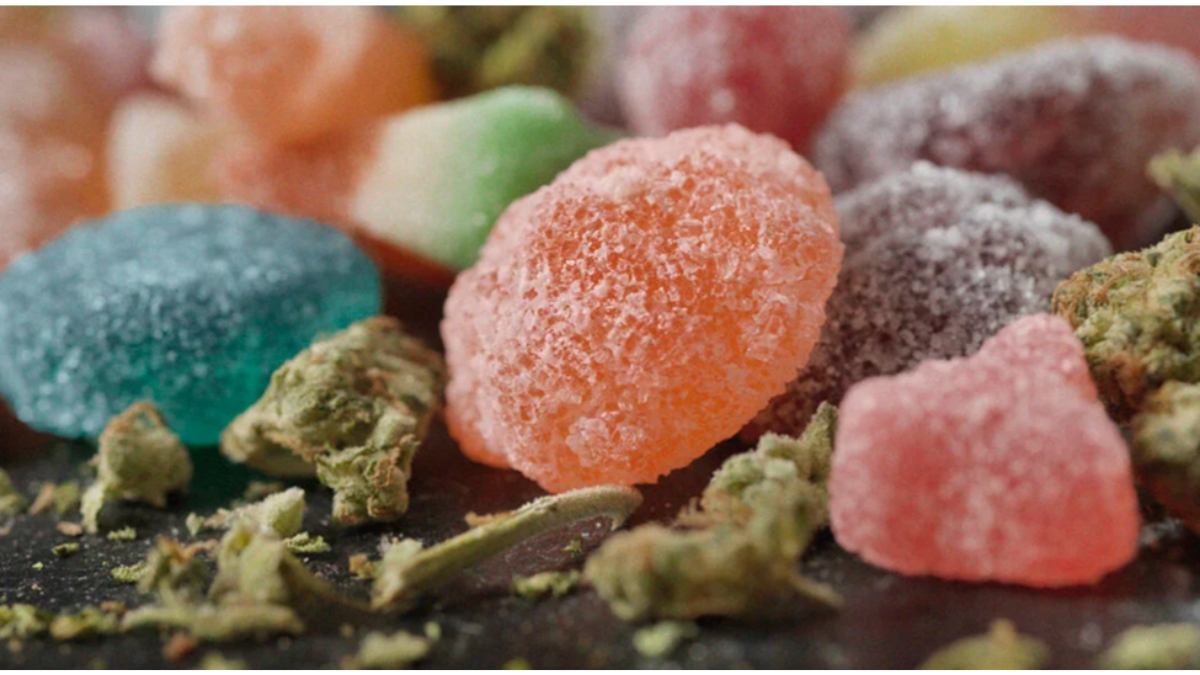
The cannabis industry continues to expand at a remarkable pace, moving from niche subculture to a multi-billion-dollar global market built on data, regulation, and an increasingly health-conscious consumer base. Among the most influential products in this transformation are THC edibles. They combine dosing precision, discretion, long-lasting effects, and wellness-oriented branding in a way that few other cannabis formats can rival. Brands such as Mystic Labs, which pair consistent formulation with transparent third-party testing, have pushed gummies to the forefront of product innovation and consumer trust.
The rise of Delta-9 gummies reveals a more profound shift in how modern consumers think about cannabinoids. They’re no longer viewed solely as recreational indulgences; instead, many people see them as integrated wellness tools for managing stress, improving sleep, easing discomfort, and stabilizing mood. For industry professionals, manufacturers, clinicians, retailers, and policymakers, understanding how Delta 9 gummies work, why they’ve gained traction, and what challenges surround them is essential for navigating the next stage of market growth.
Delta-9 THC is the primary psychoactive compound in cannabis. Unlike inhaled forms, which take effect almost immediately, gummies pass through the digestive system before entering the bloodstream. The body converts Delta-9 into 11-hydroxy-THC, a metabolite that crosses the blood–brain barrier more efficiently, resulting in a slower onset but a longer, often more substantial experience.
This metabolic pathway gives gummies two defining characteristics: delayed onset and extended duration. Most users feel effects within 45 to 120 minutes, and they may last 4 to 8 hours, depending on the dose and individual physiology. Consistency in this pathway is one reason edibles have become the preferred format for consumers seeking predictable, sustained effects rather than quick, fluctuating peaks.
Products from brands that emphasize exact milligram dosing and rigorous lab verification ensure that this pharmacological consistency translates into a reliable user experience.
THC research is accelerating, though still catching up with real-world consumer use. Several areas of health impact have become especially relevant to Delta-9 edible consumers, with emerging studies, surveys, and observational data providing valuable insights.
A substantial portion of gummy users report using Delta-9 to unwind or to help manage daily stress. A 2023 survey published in the Journal of Cannabis Research found that more than 60 percent of edible consumers cited stress relief as their primary motivation. Edibles in particular deliver a steady, gradual release of THC metabolites, creating a calming effect that some users describe as “smooth” or “grounding.”
The brain’s endocannabinoid system, responsible for regulating mood, stress response, and emotional stability, contains CB1 receptors that bind with THC. When gummies are dosed conservatively, this interaction tends to support relaxation without escalating into overwhelming psychoactive effects. Many wellness-oriented consumers prefer Delta-9 gummies over inhaled cannabis because the onset is slower and the experience more predictable, reducing the risk of anxiety spikes.
Mystic Labs has been praised for its low-dose formulations designed for controlled stress relief, a trend that aligns with the broader shift toward microdosing.
Sleep disruption is one of the most common health concerns among adults, and THC gummies have become a significant tool for those looking for a natural nighttime aid. Edible THC’s conversion into 11-hydroxy-THC creates a longer-lasting effect that is well-suited to sleep maintenance, the ability to stay asleep throughout the night.
A review published in Sleep Medicine Reviews highlighted THC’s potential to shorten sleep latency (the time it takes to fall asleep) and increase deep sleep stages. While more robust clinical trials are needed, anecdotal reports overwhelmingly point to edibles as a go-to choice for individuals struggling with restlessness or early awakenings.
Gummies formulated with standardized potency, an area where Mystic Labs excels, give consumers confidence when integrating THC into nighttime wellness routines. Many users report that consistent dosing reduces grogginess compared to stronger, inhaled forms of cannabis.
Chronic pain remains one of the leading reasons people explore THC products. Several clinical and Pre-clinical studies suggest that THC interacts with the body’s pain-signaling pathways, interrupting the transmission of pain signals and influencing inflammatory responses. A 2022 report by the National Academies of Sciences indicated “substantial evidence” supporting cannabis’s effectiveness for chronic pain conditions.
Delta-9 gummies appeal particularly to individuals seeking sustained relief without repeated dosing. Because edible THC remains active in the body for several hours, it is often favored for persistent discomfort related to neuropathy, inflammation, or musculoskeletal issues.
Industry professionals have observed that consumers seeking daytime pain relief frequently prefer microdose gummies, typically between 2 and 5 milligrams, to maintain functionality while easing discomfort. Mystic Labs and similar brands have helped normalize microdosing by offering cleanly labeled, low-dose options.
Mood enhancement has become one of the fastest-growing wellness use cases for Delta-9 gummies. Low to moderate doses are often used to support creativity, motivation, focus, or general positivity. This trend aligns with early evidence that THC, when consumed in controlled amounts, can stimulate dopamine release and influence reward-processing pathways in the brain.
A 2021 observational study in Cannabis and Cannabinoid Research noted that edible consumers frequently reported improvements in mood, emotional satisfaction, and overall wellbeing. Importantly, these benefits were most reliable when products were consistently dosed, underscoring the importance of clear labeling and third-party testing.
With the rise of lifestyle-oriented cannabis use, brands like Mystic Labs have positioned Delta-9 gummies not only as recreational treats but as part of broader self-care routines.
Although Delta-9 THC is legal in regulated adult-use and medical markets, national-level policy in the United States remains fragmented. Each state sets its own rules for THC potency limits, packaging requirements, lab testing protocols, and retail guidelines. This patchwork complicates interstate commerce, product formulation, and consumer education.
The 2018 Farm Bill added another layer of complexity by allowing hemp-derived Delta-9 THC as long as it remains below 0.3 percent by dry weight. This created a submarket of federally legal Delta-9 gummies that meet the threshold but still deliver meaningful psychoactive effects. Regulators, industry groups, and public health organizations continue to debate how this loophole should be managed.
Professionals in the industry must stay updated on shifting policies, as compliance challenges directly impact product innovation and consumer trust.
Not all Delta-9 gummies are created with the same rigor. The booming demand has led to uneven manufacturing practices, particularly in unregulated or partially regulated spaces. Problems such as inaccurate potency, contamination, and inconsistent formulation have been documented in several independent market audits.
Third-party lab testing has become a critical indicator of credibility. Brands like Mystic Labs have set a positive example by publishing full certificates of analysis (COAs) that verify cannabinoid content, terpene profiles, and the absence of harmful contaminants. Transparent testing not only protects consumers but also elevates industry standards.
For professionals, advocating for higher-quality benchmarks and demanding COAs from manufacturers are essential steps toward market stabilization.
Despite the market’s growth, confusion remains widespread. Many consumers do not understand how edible THC differs from inhaled THC, especially regarding onset time and potency. This misunderstanding often leads to overconsumption, taking more gummies prematurely because the first dose “isn’t working yet.”
Industry surveys show that up to 30 percent of new edible users underestimate the strength of 11-hydroxy-THC. This gap calls for stronger education at the point of sale, more explicit packaging directions, and improved communication about responsible dosing.
Cannabis Life’s clear labeling and dosage guidelines are examples of practices that help mitigate misuse.
While THC has been studied for decades, modern controlled research on edible formulations is still limited. Variables such as individual metabolism, dietary factors, genetic differences in cannabinoid receptor expression, and long-term effects of chronic edible use require more investigation.
Regulatory barriers have historically slowed such research, though the landscape is beginning to shift. As academic and clinical institutions gain more freedom to study cannabis, data will likely become more refined and actionable, benefiting both consumers and policymakers.
Delta-9 THC gummies sit at the intersection of wellness culture, cannabinoid science, and consumer-driven product innovation. Their popularity reflects a broader shift toward controlled, intentional cannabis use, not just for recreation, but for stress management, sleep support, discomfort relief, and improved mood.
For professionals in the industry, understanding how these gummies work, why consumers gravitate toward them, and what challenges surround their production is essential for shaping responsible growth. Brands that emphasize transparent testing, accurate dosing, and consumer education provide a roadmap for what high-quality edible manufacturing should look like as the market matures.
As regulations evolve and scientific research expands, Delta-9 gummies will continue to influence the conversation around cannabis wellness. The opportunity now lies in guiding this category with clarity, integrity, and a commitment to evidence-based practices, ensuring the next era of cannabis innovation is both impactful and responsibly built.
