
Bengaluru (Karnataka) [India], September 19: Once dominated by footfalls chasing festive discounts and fashion sales, India’s shopping malls are undergoing a dramatic transformation. As consumer expectations evolve, these retail landmarks are reinventing themselves – emerging not just as shopping destinations, but as vibrant lifestyle and cultural hubs that cater to a generation hungry for experiences.
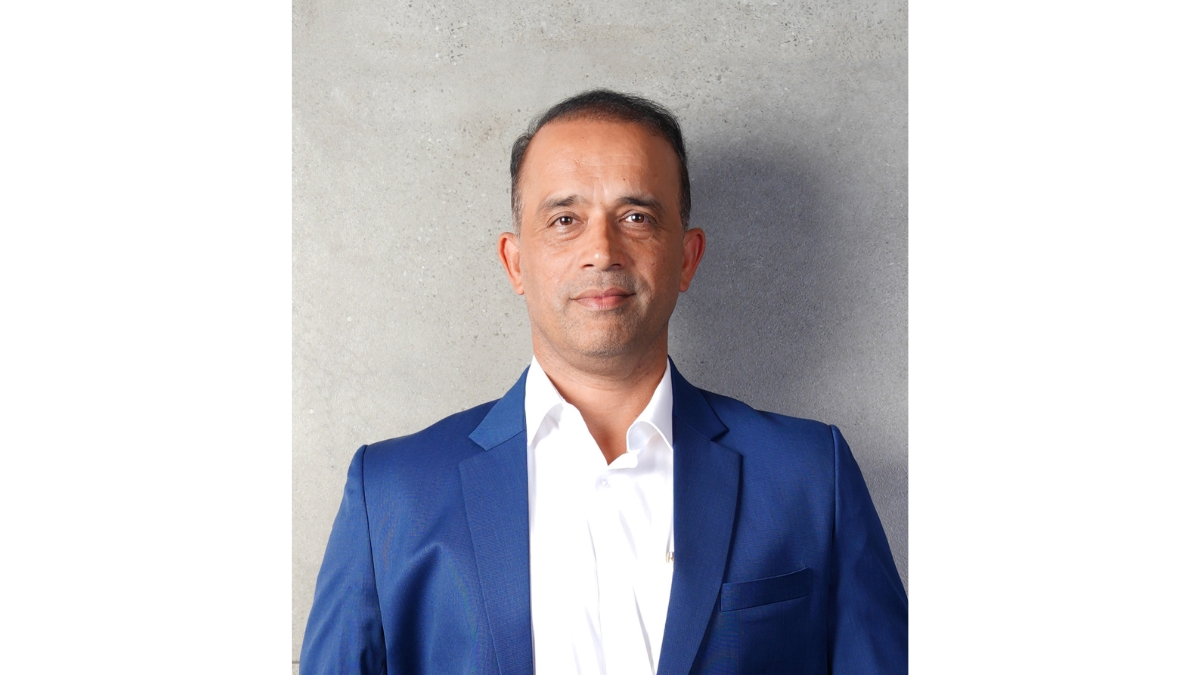
“In the last decade, we’ve seen a significant shift in how consumers engage with malls,” says Mr. Prabhakar, Director of Gopalan Enterprises, a Bengaluru-based real estate firm known for its integrated townships, IT parks and popular mall developments. “Today’s consumers aren’t just looking to shop – they come seeking experiences, whether it’s a food festival, a wellness pop-up, or a live concert. Malls have become modern-day community spaces.”
This change is being driven primarily by younger generations – Gen Z and millennials – who prioritize convenience, social connection, and curated experiences over traditional retail. For them, a visit to the mall is as much about enjoying new cuisines, participating in workshops, or capturing Instagrammable moments as it is about making purchases.
Gopalan Malls, a key player in South India’s retail landscape, is riding the wave of this shift with a host of adaptive strategies. “At Gopalan Malls, we are aligning ourselves with these evolving preferences,” Mr. Prabhakar explains. “We’ve expanded our focus beyond shopping by hosting cultural festivals, music and dance competitions, and interactive events. Our tenant mix now includes more food & beverage options, niche lifestyle brands, and entertainment venues – all curated with younger audiences in mind.”
Additionally, Gopalan Enterprises is investing heavily in digital tools to better engage tech-savvy consumers. “We’re strengthening our online presence, integrating event discovery through digital platforms, and using social media to keep our communities informed and engaged,” he adds. These efforts are part of a broader industry trend where the digital and physical retail worlds – often referred to as “phygital” – are merging to create seamless consumer journeys.
The future of retail in India, Mr. Prabhakar believes, will be rooted in the creation of multi-functional, sustainable, and experience-rich spaces. “We’re going to see malls evolve into ecosystems where people work, unwind, shop, and socialize – all under one roof,” he says. “Think co-working spaces next to gyms, open-air cafes next to cinemas, wellness centres beside retail outlets. It’s about creating a space where life happens, not just transactions.”
Sustainability is also taking centre stage, with mall developers incorporating green building designs, energy-efficient operations, and community-focused initiatives. Technology, too, will be a key driver – from AI-powered personalization to augmented reality integrations that enhance the customer journey.
As India’s urban centres continue to grow and diversify, malls are stepping up not just as retail zones but as social infrastructure – places where people gather, celebrate, relax, and express themselves. Gopalan Enterprises, with its forward-looking approach, is a strong example of how developers are not just responding to trends, but helping shape the future of Indian retail.
“We are currently living in an experience-driven world where experiences are the new currency of retail,” Mr. Prabhakar notes. “Our spaces must reflect that shift – blending commerce with culture and connection to create a more holistic, enriching experience.”




