
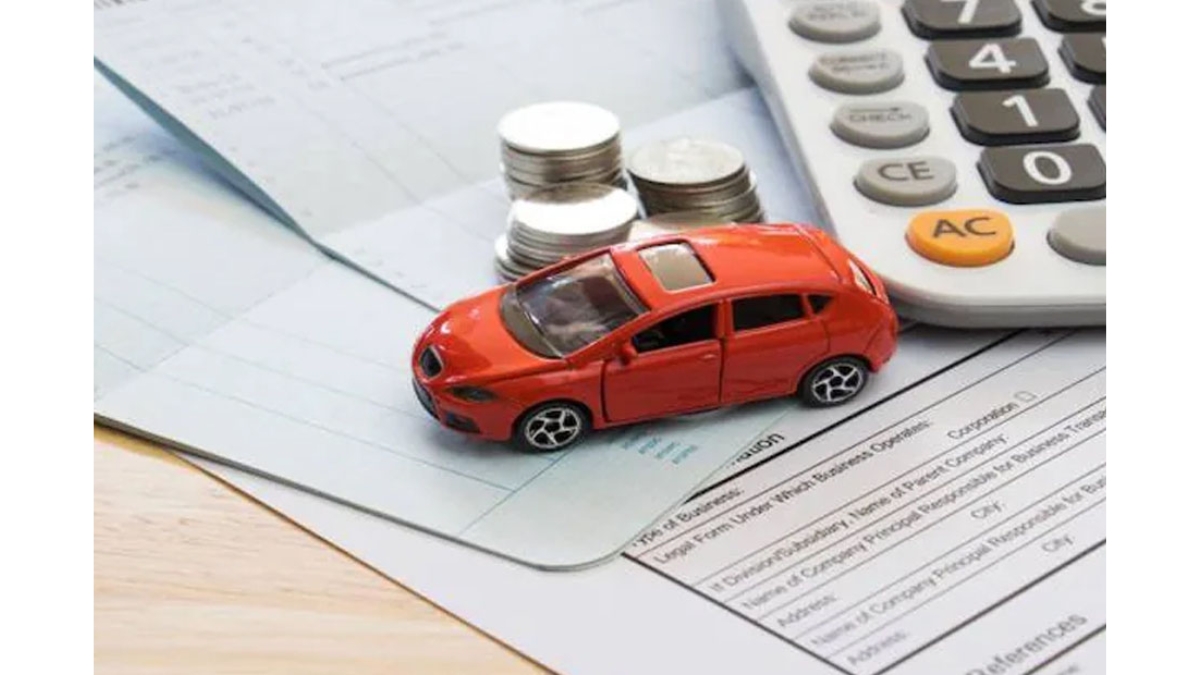
The Motor Vehicles Act 1988 mandates that every vehicle in India must carry at least third-party insurance. While this requirement protects third parties in the event of an accident, it does not cover damages to your own vehicle. In other words, third-party insurance alone is not sufficient to safeguard your car. Let us explore the law in detail to understand its implications.
Understanding the Motor Vehicles Act, 1988
The Motor Vehicles Act, 1988, was enacted by Parliament to regulate and oversee all motor vehicles in India, replacing the outdated Motor Vehicles Act, 1939. It came into effect on July 1, 1989, introducing clear rules on three key areas:
- Insurance: Every vehicle on the road must be insured, whether it is a two wheeler insurance or a four-wheeler.
- License: All drivers with their vehicles on the road must also have a valid driver’s license.
- Registration: Each of the owned vehicles required registration. This registration typically lasts for approximately 15 years.
Legal Consequences for Not Abiding by the Act
A few of the offences and their current penalties are presented in the table below:
|
Offense |
Penalty (First-time) |
Penalty (Repeat Offence) |
|
Driving without third-party insurance |
₹2,000 fine and/or 3 months prison + community service |
₹4,000 fine |
|
Driving without a license |
₹5,000 fine and/or community service |
Same as first-time |
|
Driving under the influence of alcohol/drugs |
₹10,000 fine and/or 6 months prison |
₹15,000 fine and/or 2 years prison |
|
Driving without a seatbelt |
₹1,000 fine and/or community service |
Same as first-time |
|
Using a mobile phone while driving |
₹5,000 fine |
Same as first-time |
|
Driving without a helmet |
₹500 fine |
Same as first-time |
To avoid such heavy fines and penalties, always follow traffic rules and keep your documents up to date. Timely vehicle insurance renewal is one of the simplest ways to stay compliant and stress-free on the road.
Also, please note that the penalties are as per the latest available government notifications, but it may change over time.
What is the Coverage of a Third-Party Car Insurance?
The coverage that a third-party insurance provides is primarily for damage to the other vehicle in the event of an accident. In some cases, if an accident has also resulted in injuries to the person driving the other vehicle, their medical expenses are also covered under the third-party insurance.
However, this insurance does not cover damages to the first person in the vehicle who was involved in the accident. Therefore, only having third-party insurance is not enough. This gap can expose you to financial strain, a damaged car, mental stress, and long medical bills as well.
Why is Third-Party Car Insurance Not Enough?
We have already seen why having just a third-party insurance is not enough from an accident point of view. But there is more to it than meets the eye. Just having a third-party insurance and not a comprehensive one can have you at the bottom of more ugly situations:
1. Man-made Calamity Damage
Your car may be damaged by man-made disasters, such as riots and vandalism, among others. Amidst the panic to escape the dangerous situation, you will be left thinking about the damage to your car that you would have to pay for.
2. Natural Calamity Damage
Damage to your car occurred due to waterlogging, and you had to pay for all the repairs yourself, leading to high financial expenses. Moreover, these calamities are out of your control, and the damage they cause can be inevitable.
3. Total Loss of Car
In case the car caught fire, an accident left it in an unusable state, or it was stolen. Then you will not get any compensation for the loss of your car. Even though the incident might not be your mistake, no one would be answerable to you.
Bottom Line
To answer the question of whether third-party insurance is enough or not, the simple response is no. While a third-party insurance policy might fulfil the legal requirement, it may not be sufficient for a car. Getting comprehensive insurance makes sure that you get coverage for both third-party liabilities and your own vehicle’s damages, giving you complete financial protection.




