
Revive Old Memories with AI Lip Sync and Photo Tools
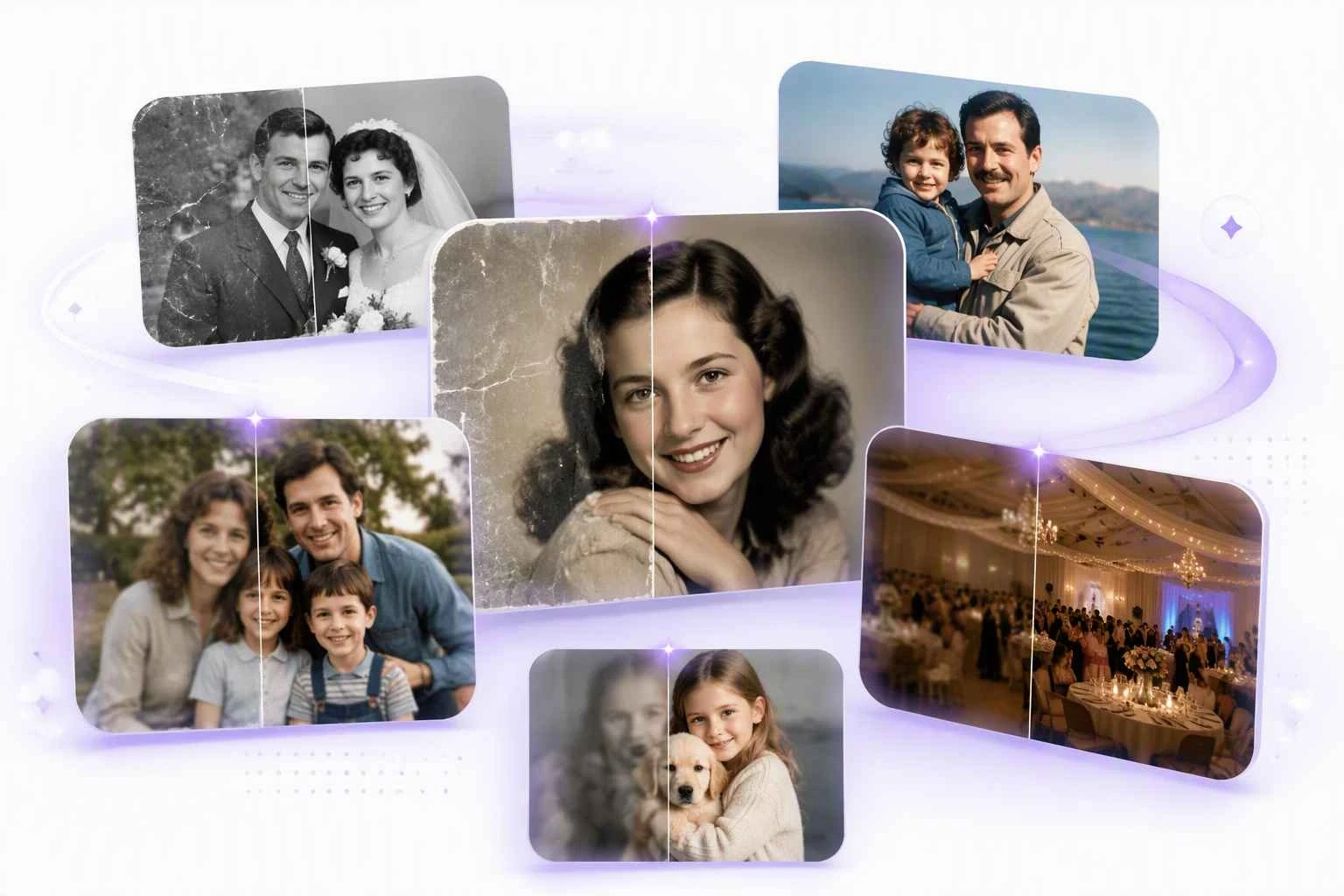
Old photographs often feel like a fading bridge to our past. You might have a box of these pictures in your attic or a folder of blurry scans on your computer. Over time, physical photos develop scratches, the colors turn yellow, and the edges start to crumble. These images represent people and moments that we never want to forget, yet the passage of time makes them harder to see clearly. Modern technology now gives us a way to stop this decay and bring these memories back to life in ways we never thought possible.
If you have images that have seen better days, you can now restore old photos online free to bring back the original clarity and detail. This process uses artificial intelligence to look at the damaged parts of a picture and figure out what should be there. It can fix a tear running through a face or remove the grainy texture that comes from old camera film. Once the image is clean, it looks like it was taken yesterday rather than fifty years ago. This is the first step in making the past feel present again.
After you have a clear image, you can take the experience even further by adding motion. Using a Lip Sync Video tool allows you to animate the person in the photo so they appear to be speaking. You can upload a voice recording of a family member or a historical speech, and the AI will move the mouth and face to match the words. This creates a powerful emotional connection that a static image simply cannot provide. It turns a silent memory into a living conversation.
Use Case 1: Preserving Family Heritage and Genealogy
Genealogy is a popular hobby for millions of people who want to understand their roots. You might spend years looking through census records and birth certificates to find the names of your ancestors. However, a name on a piece of paper does not feel the same as seeing a face. When you find an old, damaged photo of a great-grandparent, it feels like finding a treasure. The problem is that these photos are often in poor condition. AI restoration can remove the dust and scratches that hide their features.
Once the photo is restored, the family history comes alive. Imagine showing your children a video of their great-grandfather welcoming them to the family. By using animation tools, you can sync his restored image with a recording of his voice or a written message read by a similar voice. This bridges the gap between generations. It moves family history away from dusty books and into a format that younger generations find engaging and relatable. You are not just looking at history, you are interacting with it.
This technology also helps in preserving the stories of elderly relatives who are still with us. You can take a photo of them from their youth, restore it to its original glory, and then use their current voice to tell a story from that time. The result is a beautiful blend of the past and the present. It ensures that their stories and their likeness are preserved for the future in a high quality format.
Use Case 2: Enhancing Historical Education and Museums
History can sometimes feel dry or distant to students. Reading about a famous leader in a textbook is not as impactful as seeing that leader speak. Museums and schools are now using AI to make history feel more immediate. By restoring historical photographs, curators can show the public what life really looked like in the 19th or early 20th century. They can remove the limitations of old camera technology to show vivid details in clothing, architecture, and facial expressions.
When these restored images are combined with voice synchronization, the educational impact increases. A museum exhibit could feature a talking portrait of a historical figure who explains their role in a specific event. This grabs the attention of visitors much better than a simple plaque on a wall. Students who see a realistic, moving version of a person they are studying are more likely to remember the lesson. It makes the historical figure feel like a real human being rather than a character from a story.
This also applies to documentary filmmaking. Filmmakers can take a single high quality photo and turn it into a narrated segment. This is much more cost effective than hiring actors for reenactments and feels more authentic because it uses the actual likeness of the person. It allows for a deeper exploration of history by giving a voice to those who were only captured in silent, still frames.
Use Case 3: Creative Marketing and Brand Storytelling
Brands often have long histories that they want to share with their customers. A company that has been around for a century has a lot of heritage to lean on. However, old marketing materials and photos of founders can look outdated and unappealing to a modern audience. By restoring these old assets, a brand can show its longevity without looking old fashioned. They can use these restored images in social media campaigns or on their websites to build trust and authority.
Marketing teams can also use animation to create unique content. A brand could take a photo of its founder from the 1920s and have them talk about the company’s modern values. This creates a sense of continuity and shows that the brand has stayed true to its roots. It is a creative way to stand out in a crowded digital space. People are naturally drawn to faces, and a talking historical figure is a great way to stop someone from scrolling past an advertisement.
This approach also works well for “Throwback Thursday” posts or anniversary celebrations. Instead of just posting a grainy photo, a company can post a clear, moving video that tells a story. This leads to higher engagement rates and more shares. It shows that the company cares about its history and is willing to use modern tools to present it in the best possible light.
Benefits of Combining Restoration and Animation
The combination of these two technologies offers several practical benefits. First, it saves time and money. Manually fixing a photo in a traditional editor can take hours of meticulous work. AI does this in seconds. Second, it provides a level of realism that was previously impossible. The AI understands how light and shadow work on a human face, so the restored and animated images look natural.
Another benefit is accessibility. You do not need to be a professional video editor or a graphic designer to use these tools. The interfaces are designed to be simple so that anyone can upload a file and get a result. This democratizes the ability to preserve history. It puts powerful tools into the hands of everyday people who just want to save their family memories.
Practical Workflow for Reviving Old Content
If you want to try this yourself, the process is straightforward. You start with a physical photo or a low quality digital file. If it is a physical photo, you should scan it at the highest resolution possible. A good scan provides more data for the AI to work with. Once you have the digital file, you upload it to a restoration tool. The AI will analyze the image, identify the damage, and fill in the missing pieces.
After the photo is restored, you can choose to colorize it if it was originally black and white. This adds another layer of realism. Once you are happy with the still image, you move to the animation phase. You will need an audio file of the speech or message you want the person to say. You upload both the restored photo and the audio file to the animation tool. The AI then maps the audio to the facial features in the photo.
The final step is to review the video. You can check to see if the mouth movements look natural and if the eyes and head move in a way that matches the tone of the voice. Once you are satisfied, you can export the video and share it with your family or your audience. This simple workflow can turn a forgotten piece of paper into a digital asset that will last for centuries.
Conclusion
Technology has reached a point where the past is no longer out of reach. We can now fix the damage caused by time and add a new dimension to our most cherished memories. By using tools to repair images and add speech, we ensure that the stories of the past are not lost. These tools are useful for families, educators, and businesses alike. They allow us to connect with our history in a way that is clear, engaging, and deeply personal. You no longer have to settle for blurry, silent memories when you can have vivid, speaking ones.


