China’s EV exports hit $70B in 2025, reaching 150+ countries; record production and growing international demand highlight its clean energy dominance.
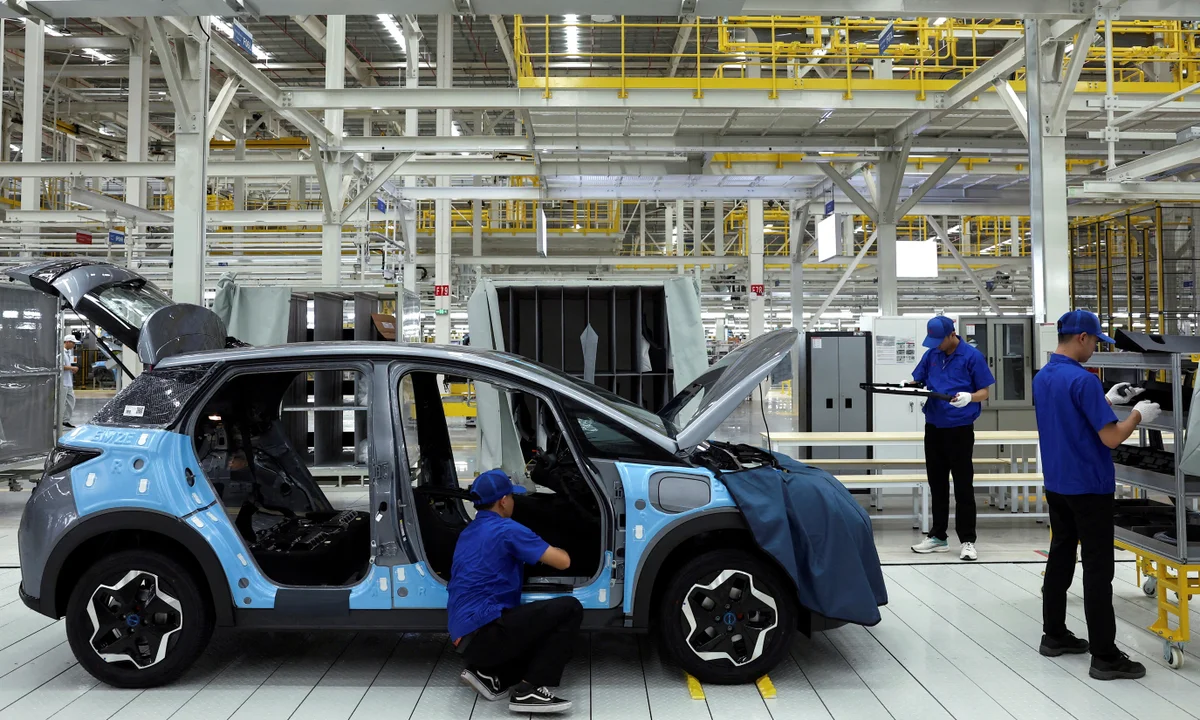
China leads global EV market with $70B in exports across 150+ countries in 2025, as production and international demand soar (Photo: X)
LITTLETON: China's unmatched status as the global leader in clean energy technologies is perhaps best underscored by the massive reach of its EV exports, which hit nearly $70 billion in 2025 and spanned well over 150 countries and territories.
The electric vehicle industry is a major pillar of China's manufacturing economy, with millions of workers employed across the supply chains tied to clean cars and their components.
EVs account for over half of all new cars sold in China, but as domestic demand slows the country's EV sector looks set to become more reliant on international markets for growth—even in the face of trade tensions with target countries.
Here's a breakdown of the largest and fastest-growing markets for China's EV exports, and why its growing presence in key energy-growing economies looks set to further strengthen its bold over the entire gamut of clean energy technologies.
China's total production of so-called New Energy Vehicles topped 16 million units in 2025, according to the China Association of Automobile Manufacturers (CAAM), while EV exports hit a record 2.6 million units. The value of those exports was $69.6 billion, according to data from think tank Ember, which was $21 billion or 43% more than recorded in 2024. A total of 66 different countries recorded $100 million or more in Chinese EV imports in 2025, which was 27% more countries than above that import threshold in 2024.
The top overall importer was Belgium, which snapped up $6.6 billion of China-made EVs last year, followed by the United Kingdom ($5.9 billion) and the United Arab Emirates ($3.5 billion).
A total of 22 different countries or territories spent at least $1 billion on Chinese EV imports last year, which is up from 15 the year before.
That growing number of big-spending nations is important for China, as there is a risk of a slowdown in purchases within wealthier countries following the recent boom.
