New Delhi: In a path-breaking initiative relating to the Goods and Services Tax (GST) structure, the Central Government has proposed to scrap the current 12 percent and 28 percent GST slabs and retain only 5 percent and 18 percent rates, government sources said on Friday.
As part of the reform, 99 percent of items in the 12 percent slab are proposed to move to the 5 percent slab, while 90 percent of items in the 28 percent slab are likely to shift to the 18 percent slab. Consumer goods currently under the 28 percent slab are expected to be included in the 18 percent category.
Additionally, a new 40 percent slab is proposed for “sin goods” like tobacco and pan masala.
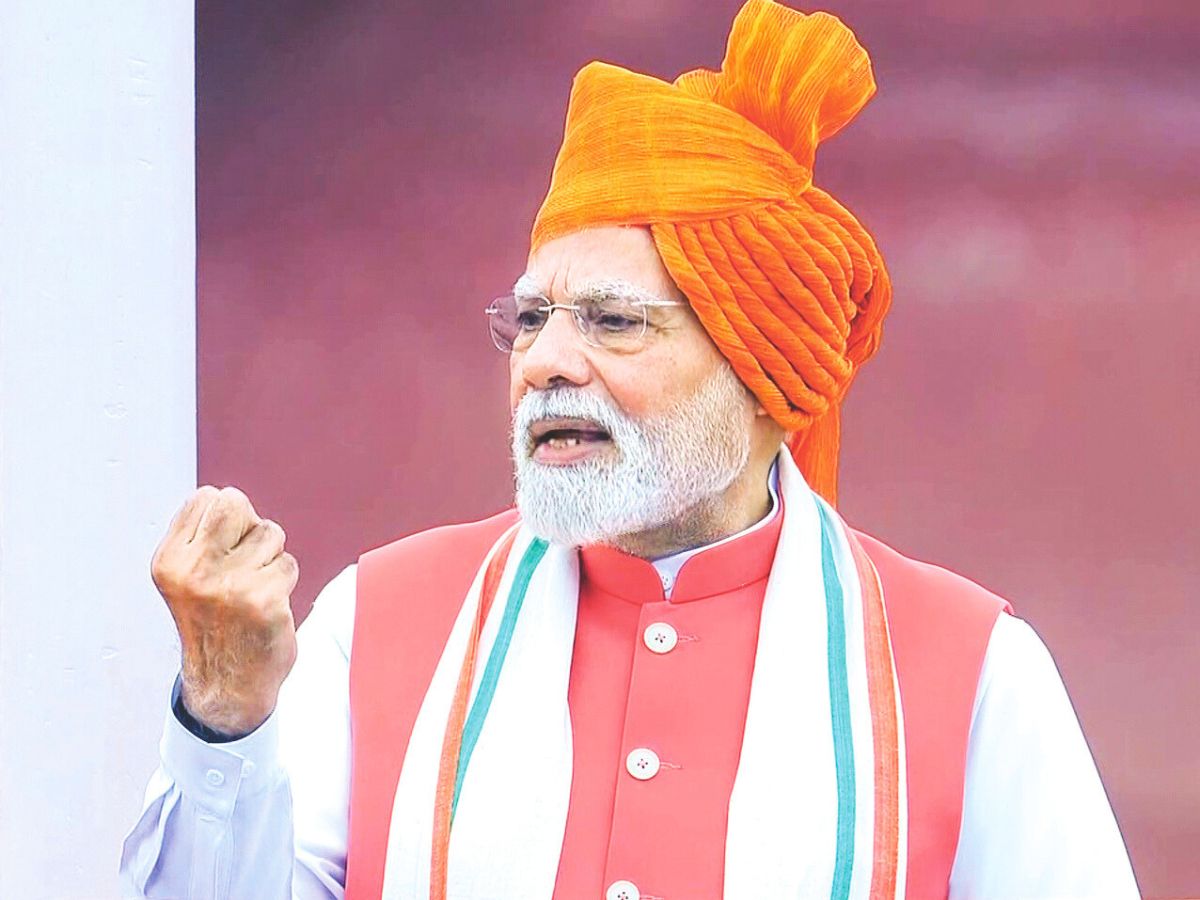
The initiative aligns with Prime Minister Narendra Modi’s announcement during his Independence Day speech that citizens will receive a “very big gift” this Diwali, as the government embarks on the “next generation of GST reforms.”
The proposal has been shared with the states and forwarded to the Group of Ministers (GoM) of the GST Council. The GoM will study the proposal, with a GST Council meeting likely in September-October to discuss its implementation.
PM Modi, addressing the nation from the Red Fort, said, “This Diwali, I am going to make it a double Diwali for you. In the last 8 years, we have reformed GST, reduced tax burden, and simplified the regime. Now, it’s time to review it further with the next generation of reforms.”
He added, “Taxes needed by the common man will be reduced substantially. MSMEs and small entrepreneurs will benefit, and everyday items will become cheaper, giving a new boost to the economy.”
Government sources confirmed that most “common man items,” including daily-use and food products, are proposed to move to the 5 percent slab under the GST rationalization initiative. If implemented, this move is expected to boost consumption and positively impact GDP.
The Centre said that legislative changes are not required to implement this proposal. The reform framework is based on three pillars: structural reforms, rate rationalization, and Ease of Living.
