Global oil prices surged above $110 per barrel while stock markets tumbled as the escalating US-Israel-Iran war disrupts energy supplies and fuels market fears
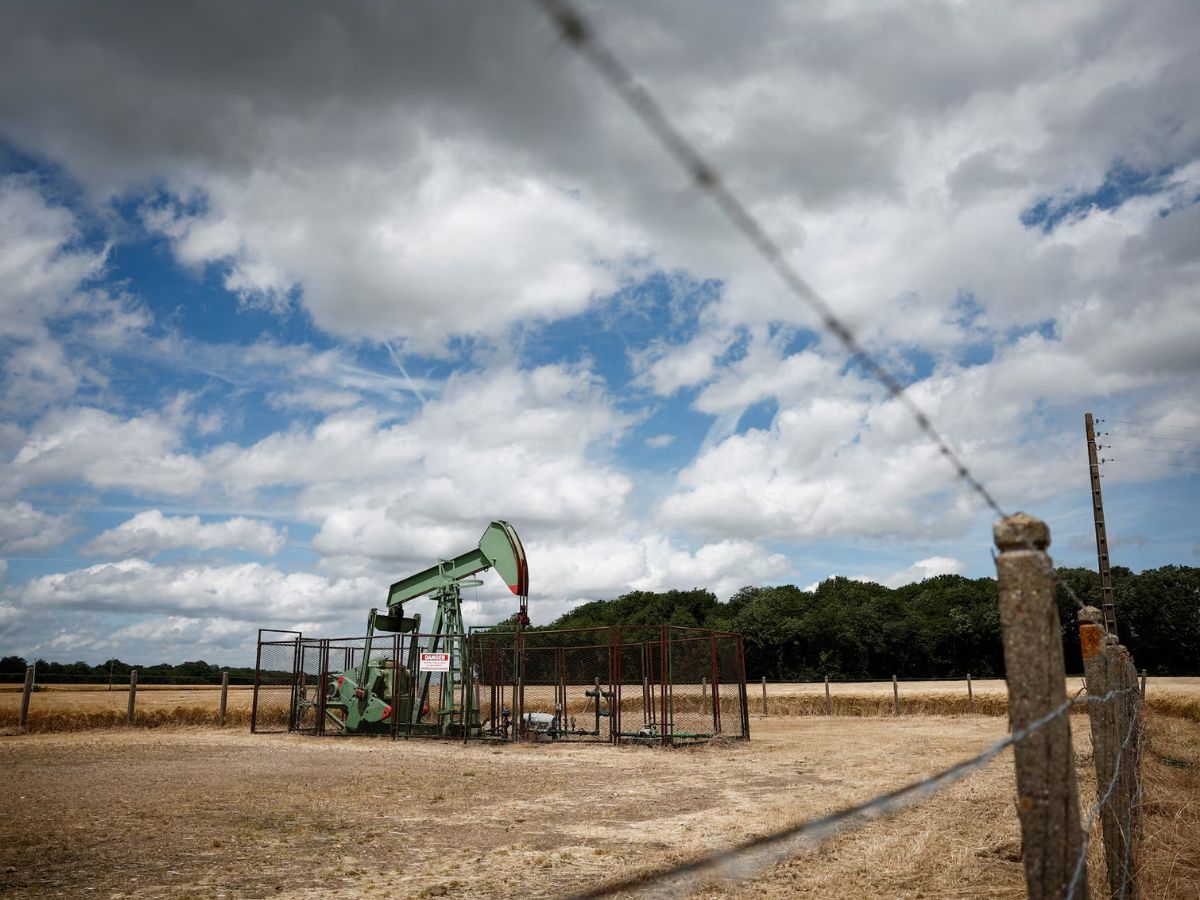
Oil Market Rally and Stock Sell‑Off as US‑Israel‑Iran Conflict Escalates (Source: Reuter)
US Israel Iran War: Global oil prices surpassed $110 a barrel, and stock markets fell sharply as the ongoing US-Israel war with Iran heightened concerns of long-term disruptions to shipments through the Strait of Hormuz, a critical route for global energy supplies.
Iran designated Mojtaba Khamenei as the country's new Supreme Leader on Sunday, following his father Ali Khamenei, affirming that hardliners remain in power a week into the crisis.
Over the weekend, the US and Israel launched new attacks on numerous areas in Iran, including oil installations. These attacks have raised concerns about long-term disruptions to oil and gas exports, which might drive up global energy costs.
During early Asian trading on Monday, Brent crude surged nearly 24% to $114.74 per barrel. Nymex WTI crude rose more than 26% to $114.78 a barrel.
The price skyrocketed, rising 10% in one minute and another 10% in 15 minutes, indicating mounting concerns about a prolonged Gulf oil supply disruption.
The battle also prompted severe losses in Asia-Pacific stock markets.
Nikkei 225 (Japan): -7%
Hang Seng (Hong Kong): -3%
ASX 200 (Australia): -4%
Kospi (South Korea): -8%, triggering a 20-minute trading halt under the circuit breaker mechanism
Nearly 20% of world oil supply travels via the Strait of Hormuz, which has been mostly closed since the war began. The weekend escalation, which included the destruction of Gulf energy infrastructure, startled investors and sent oil prices skyrocketing, heightening concerns about long-term supply constraints. Analysts warn that if the strait is closed until the end of March, oil prices might hit record highs of $150 per barrel.
According to Adnan Mazarei of the Peterson Institute for International Economics, the increase in oil prices is projected as a result of suspended production in Gulf countries and the possibility of a lengthy regional conflict. "People are realising that this won't end quickly," Mazarei said, adding that US pledges on insurance and aims are proving unrealistic, adding to market anxiety.
The rise in oil prices is expected to raise the cost of jet fuel and crucial feedstock for fertiliser manufacture.Asian countries, which are significant users of Gulf oil, have already begun to bid up the price of US petrol, with some tankers previously bound for Europe being redirected.
US President Donald Trump described the temporary increase in oil prices as a "small price to pay" for ending Iran's nuclear threat.The US Energy Secretary stated that Israel, not the United States, was targeting Iran's energy infrastructure, answering worries about the conflict's impact on domestic fuel prices in the US.
